

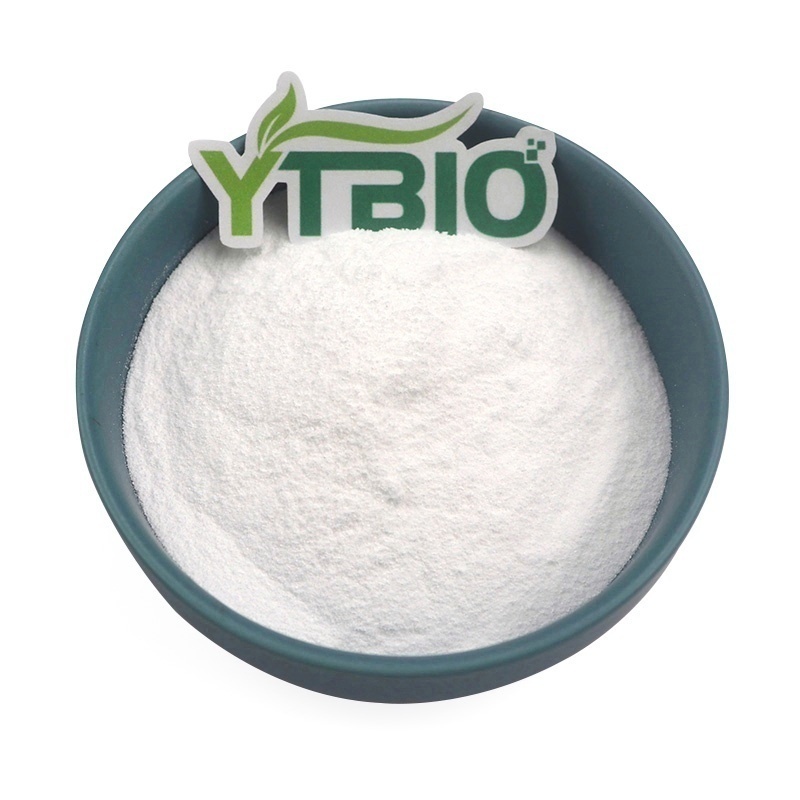
Struggle With Falling Asleep? How L-Tryptophan Supports Restful Sleep
Insomnia is a common sleep issue in modern life, with chronic insomnia disorder affecting approximately 10% to 15% of adults worldwide. Prolonged insomnia not only causes nighttime problems—such as difficulty falling asleep, trouble staying asleep, and early awakening—but also impairs daytime functioning and reduces quality of life. Furthermore, it significantly increases the risk of conditions such as hypertension, diabetes, cardiovascular disease, and mental health disorders. L-Tryptophan is an essential amino acid that acts as a natural mood regulator; it helps the body naturally produce and balance specific hormones, regulates the circadian rhythm, and facilitates both falling asleep quickly and maintaining deep sleep.

I.What Is L-Tryptophan?
L-Tryptophan is an essential amino acid that the human body cannot synthesize on its own and must obtain from external sources. It is a key substance for regulating sleep, mood, and circadian rhythms, often referred to as a natural sleep aid.
Many foods in the daily diet are rich in tryptophan, including dairy products, fish, seeds, nuts, eggs, meat (especially turkey), soybeans, oats, and bananas. Certain foods, such as infant formula and corn tortillas, can also be fortified with tryptophan.
II.How Does L-Tryptophan Aid Sleep?
As an essential amino acid, L-Tryptophan promotes the production of melatonin and serotonin—two substances crucial for inducing sleep.
L-Tryptophan serves as a precursor for the synthesis of serotonin (which transmits signals between nerve cells) and melatonin (a key hormone regulating our circadian rhythm). It also modulates the production of important hormones like serotonin through the gut microbiome. Unlike serotonin and melatonin, L-Tryptophan must be obtained entirely from dietary sources because the body cannot synthesize it independently. To be effective, tryptophan must cross the blood-brain barrier; consuming L-Tryptophan alongside carbohydrates can enhance its absorption. A major meta-analysis published in *Nutrition Reviews* by a team from the National University of Singapore—covering 18 randomized controlled trials and 1,462 participants—conclusively demonstrated that daily supplementation with 0.5–3g of L-tryptophan improves subjective sleep quality. It is particularly effective for individuals struggling with sleep onset and sleep fragmentation.

Ⅲ.Target Audience
Individuals with insomnia or poor sleep quality
Symptoms include difficulty falling asleep (taking more than 30 minutes to drift off), light sleep, frequent waking, early awakening, excessive dreaming, and daytime fatigue.
Tryptophan is a precursor to melatonin; supplementation helps improve sleep quality and reduces the time it takes to fall asleep.
Individuals with mood issues or sub-optimal mental health
Symptoms include low mood, anxiety, irritability, seasonal depression (e.g., winter blues), and premenstrual dysphoric disorder (characterized by mood swings, irritability, and tension).
Tryptophan converts into serotonin (the "happiness hormone"), helping to stabilize mood, alleviate anxiety and depression, and improve emotional regulation.
Individuals experiencing cognitive decline
Symptoms include poor concentration, memory loss, reduced learning or work efficiency, and brain fog.
Serotonin plays a role in regulating cognitive function; adequate tryptophan levels help improve cognitive performance and enhance focus.

Ⅳ.Optimal L-Tryptophan Combinations: Amplifying Benefits for Sleep, Relaxation, and Fatigue Relief
L-Tryptophan + Magnesium (Magnesium Citrate / Magnesium Glycinate)
L-Tryptophan facilitates the production of serotonin and melatonin. Magnesium acts as a cofactor for hundreds of enzymes, accelerating tryptophan metabolism and conversion. Simultaneously, it relaxes the central nervous system and eases muscle tension, addressing sleep difficulties caused by physical tightness, heart palpitations, or calf cramps before bed.
L-Tryptophan + Vitamin B6
Vitamin B6 is essential for converting tryptophan into serotonin and melatonin. Without sufficient B6, tryptophan cannot be effectively metabolized, significantly diminishing the benefits of supplementation. 3. L-Tryptophan + Melatonin
Tryptophan serves as a precursor to endogenous melatonin; while small amounts of melatonin rapidly signal the brain to initiate sleep, the two ingredients complement each other effectively.
Ⅴ.Industry Trends
Widespread sleep issues have directly fueled a "sleep economy" valued in the hundreds of billions. Data shows that China's sleep economy market reached 495.88 billion RMB in 2023 and is projected to surpass 658.68 billion RMB by 2027, maintaining a high compound annual growth rate. Within the sleep economy sector, ingestible dietary supplements have emerged as the fastest-growing category—far outpacing hardware products like pillows and mattresses—and have secured a dominant position in the minds of consumers. Essential amino acids, exemplified by L-tryptophan, align with emerging industry trends thanks to their unique physiological mechanisms, making them a mainstream choice for premium sleep nutrition.

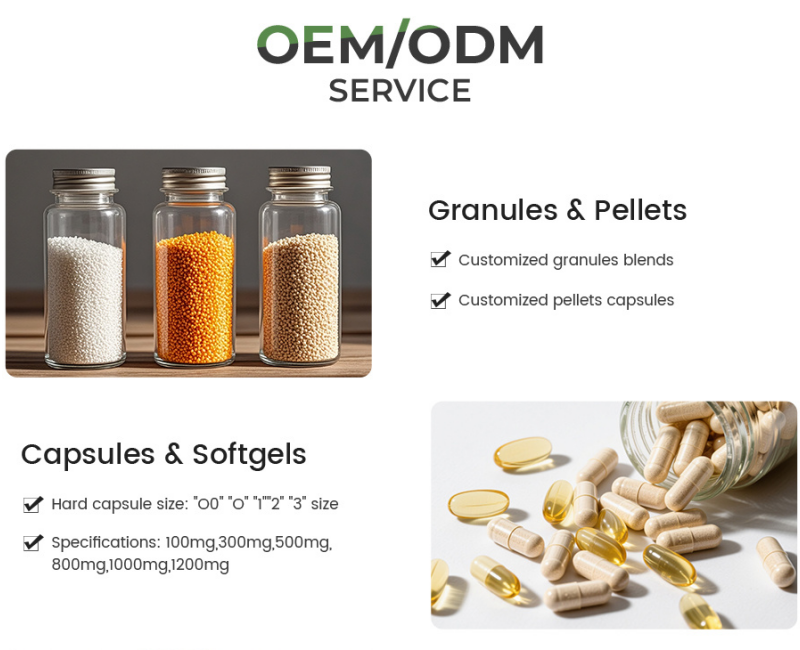
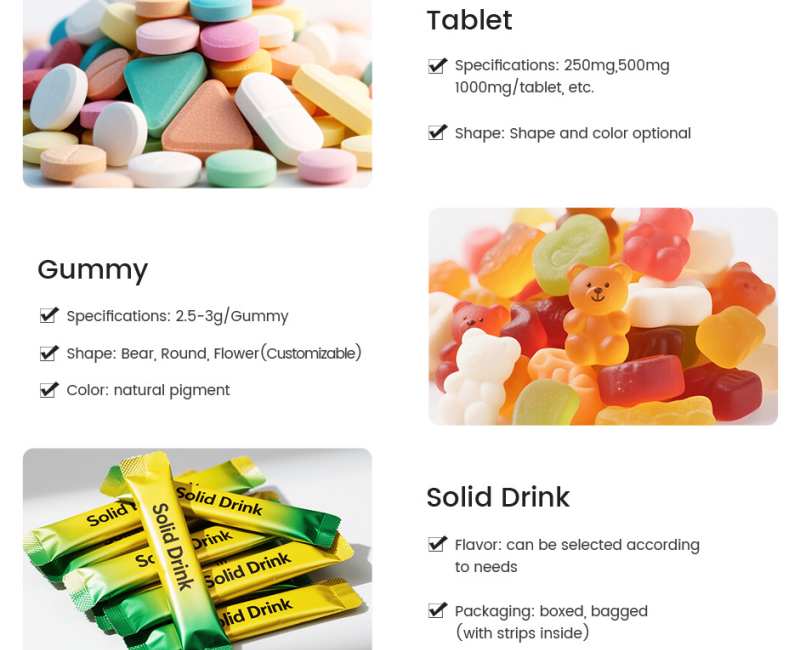
Our Services
 |  |
 |  |
Email: sales@sxytbio.com
WhatsApp/phone: +86 17782577059