

What Is Magnesium Malate? Why Is It So Popular in Modern Supplements?
Magnesium is one of the most notable minerals in the world of supplements, and for good reason: it is involved in hundreds of enzymatic reactions within the body, ranging from energy production and muscle function to nerve signal transmission. However, not all magnesium supplements are created equal. The form of magnesium used in a product significantly affects its absorption rate and efficacy. Magnesium malate—a compound formed by combining magnesium with malic acid—is increasingly gaining attention.
I.What Exactly Is Magnesium Malate?
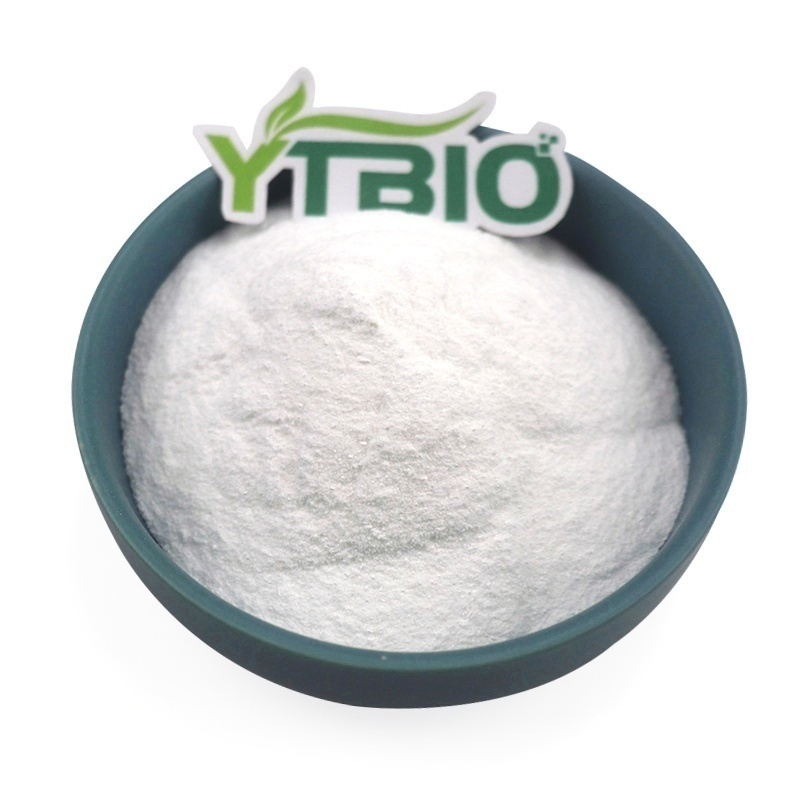
Magnesium malate is a mineral salt formed by combining elemental magnesium with malic acid. Malic acid is an organic acid naturally found in fruits such as apples (its name derives from the Latin word *malum*, meaning "apple"). It plays a vital role in the Krebs cycle, the metabolic pathway cells use to generate energy from food.
When magnesium is bound to malic acid rather than inorganic compounds like oxides or carbonates, the resulting salt tends to be more water-soluble. This solubility is a key reason why magnesium malate is a popular choice for dietary supplement formulations; better solubility generally translates to better absorption in the digestive tract.
II.How Does It Compare to Other Forms of Magnesium?
There are many magnesium compounds on the market—oxide, citrate, glycinate, chloride, threonate, and so on—each with its own absorption characteristics and typical uses.
- Magnesium oxide has a high elemental magnesium content (by weight) but a low absorption rate, making it a common but less efficient choice.
- Magnesium citrate is well-absorbed and widely used, though it can have a mild laxative effect when taken in high doses.
- Magnesium glycinate, bound to the amino acid glycine, is often chosen for its gentleness on the digestive system.
- Magnesium malate falls somewhere in between: it is generally well-tolerated and highly bioavailable, yet it lacks the laxative effect associated with magnesium citrate. This makes it an attractive option for those looking to take magnesium supplements long-term without experiencing digestive discomfort. Since malic acid itself plays a role in cellular energy production, some formulators promote magnesium malate as an ideal ingredient for products designed to boost energy metabolism. However, it is worth noting that the effectiveness of any single ingredient depends on one's broader diet and lifestyle.
III.Why is magnesium malate appearing in an increasing number of products?
Several factors are driving the growing interest in magnesium malate:
Consumer demand for "gentle" supplements. As more people report digestive sensitivities to certain forms of magnesium, product developers are seeking options that minimize gastrointestinal side effects while still delivering effective levels of magnesium.
Health and energy trends. Products targeting fatigue, muscle recovery, or overall vitality often incorporate ingredients linked to cellular energy; the role of malic acid in the tricarboxylic acid (TCA) cycle aligns perfectly with this marketing concept.
Clean-label and "naturally derived" positioning. The association of malic acid with fruit gives magnesium malate a more approachable image—one that feels less "chemical"—making it more appealing than products with names that sound like synthetic compounds and better suited to the preferences of label-conscious consumers.
Formulation versatility. Magnesium malate is available in various forms—such as powders, capsules, and tablets—making it suitable for a wide range of product categories, from sports nutrition to daily multivitamins. Common Applications in Dietary Supplements
Magnesium malate is widely used in a variety of products, including:
- General wellness and multivitamin formulas
- Muscle support and recovery products
- Energy and vitality supplements
- Sleep support and relaxation formulas (often paired with other calming minerals or botanicals)
- Sports nutrition and pre/post-workout formulas
Sourcing Considerations for Manufacturers
For brands and formulators evaluating magnesium malate as an ingredient, several practical factors are crucial:
- Purity and elemental magnesium content, which affect dosage calculations
- Particle size and solubility, which influence how the ingredient performs in various formats (capsules, powders, or drink mixes)
- Documentation and quality certifications, driven by regulatory requirements for raw material traceability in key markets
- Supply stability, which is particularly important for brands scaling up production
Conclusion
With its favorable bioavailability, good digestive tolerance, and compelling marketing narrative, magnesium malate has carved out a significant niche in the highly competitive magnesium supplement market.

Email: sales@sxytbio.com
WhatsApp/phone: +86 17782577059