

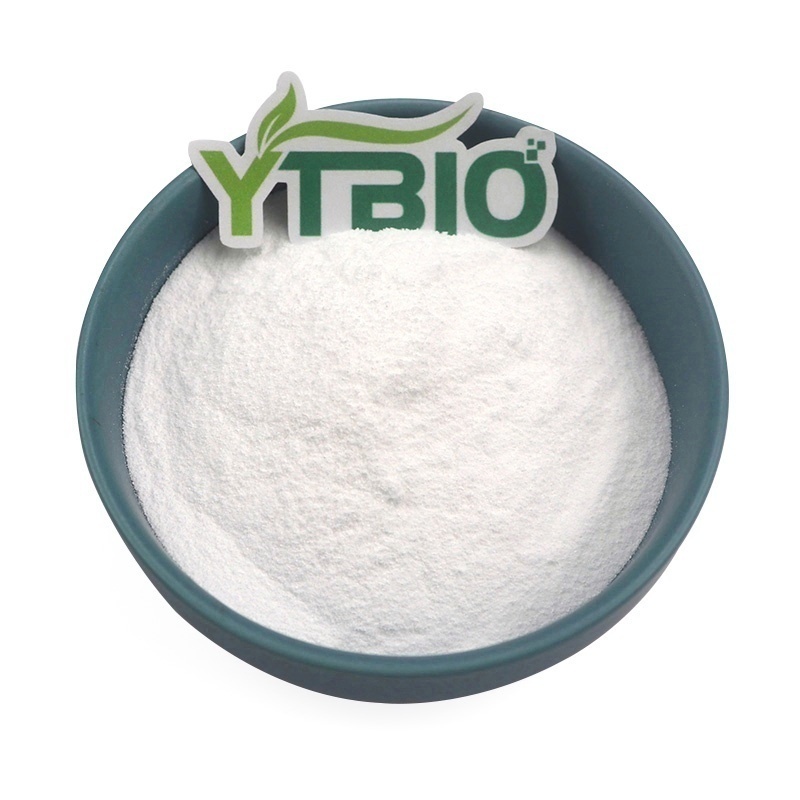
What is adenosine triphosphate disodium? Why is it crucial for cellular energy supply?
Cellular energy is the foundation of the most vital life processes; all biological activities require energy. Yet, the specific molecule that makes this cellular energy usable is often overlooked. Adenosine triphosphate (ATP) is the primary molecule for energy transfer within cells, and its disodium salt form—ATP disodium—has become a key ingredient of interest for companies in the food, nutrition, and dietary supplement sectors. As manufacturers strive to develop products for active consumers concerned with energy needs—and seek ingredients backed by scientific evidence—it is becoming increasingly important to understand the role of ATP and the quality considerations involved in sourcing ATP disodium.
I.What is Adenosine Triphosphate Disodium?
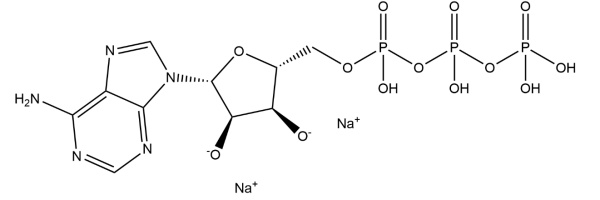
Adenosine triphosphate consists of three main components: adenine, ribose, and three phosphate groups. It is a substance naturally produced and utilized by cells during normal energy metabolism.
Adenosine triphosphate disodium (ATP disodium) is the disodium salt form of ATP. In this form, sodium ions bind to the negatively charged phosphate groups of the ATP molecule.
For purchasers of food and supplement ingredients, the precise chemical form is crucial. Product specifications should clearly state the ingredient's name, purity (or assay value), physical characteristics, storage requirements, and other quality parameters relevant to the intended use.
II.Why is ATP Crucial for Cellular Energy?
ATP is often referred to as the cell's "energy currency" because it transfers chemical energy to biological processes that require it.
When ATP is converted into ADP (adenosine diphosphate) and inorganic phosphate, energy is released for use in cellular activities. The resulting ADP can subsequently be converted back into ATP through cellular metabolic pathways.
This continuous ATP cycle supports a wide range of biological processes, including:
Muscle contraction
Active transport across cell membranes
Biosynthesis of cellular components
Maintenance of cellular ion gradients
Various enzymatic reactions
Cell signaling and regulation
For these reasons, ATP is essential for normal cellular metabolism.
III.How Does the Human Body Produce ATP?
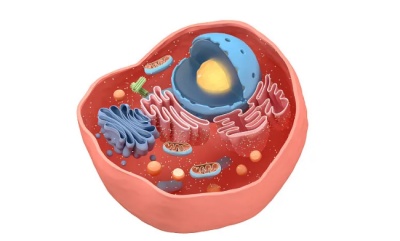
The human body continuously produces and consumes ATP, rather than storing large quantities for long-term use. Energy derived from dietary components—such as carbohydrates, fats, and proteins—can enter metabolic pathways that ultimately lead to ATP production.
Mitochondria play a central role in mitochondrial metabolism (aerobic metabolism). Electrons derived from nutrients pass through the mitochondrial electron transport chain, helping to establish a proton gradient that drives ATP synthase. This enzyme utilizes ADP and inorganic phosphate to generate ATP.
ATP can also be produced through other metabolic reactions, such as substrate-level phosphorylation during glycolysis.
The result is a continuous energy cycle that enables cells to regulate ATP production in response to changing metabolic demands.
IV.What does "ATP Disodium" mean for supplement ingredient purchasers?
For purchasers, "ATP Disodium" describes the chemical form of the ingredient—but this does not guarantee specific nutritional or physiological effects when consumed as a finished product.
Distinguishing this is crucial when developing dietary supplements or other nutritional products.
The suitability of ATP Disodium as a raw material depends on various factors, such as:
*Intended product category
*Target market and local regulations
*Raw material specifications
*Required purity or content (assay value)
*Dosage considerations
*Stability requirements
*Manufacturing process
*Packaging and storage conditions
Purchasers should evaluate these factors holistically rather than judging the raw material solely by its name or nominal purity.
V.What should be considered when purchasing ATP Disodium?
When sourcing ATP Disodium for use in foods or supplements, purchasers typically need to consider more than just price.
Clear product specifications
Suppliers should provide detailed specifications that clearly define the ingredient and its key quality parameters.
Depending on the specific application, purchasers may need information regarding content, moisture, impurities, appearance, microbiological limits, and other relevant testing requirements.
Consistent quality
Batch-to-batch consistency is vital for supplement manufacturers and ingredient distributors.
Purchasers should inquire about potential suppliers' quality control procedures, batch testing, analytical methods, and traceability systems. Consistent raw material quality helps manufacturers maintain a high level of consistency in their finished products.
Quality Documentation
Relevant documentation is a crucial component of raw material procurement. Depending on buyer requirements and the target market, suppliers may need to provide the following documents:
Certificates
* Certificate of Analysis (CoA)
* Specification sheets
* Safety Data Sheets (SDS)
* Technical product data
* Batch information and traceability documentation
* Relevant quality system or production certifications
Buyers should confirm documentation requirements before placing orders, especially when supplying products to different international markets.
Stability and Storage
ATP Disodium should be handled in accordance with the storage conditions recommended by the supplier.
Factors such as temperature, humidity, packaging, transportation, and duration of storage can all affect the quality of the ingredient.
VI.Applications of ATP Disodium in Food and Dietary Supplement Development
ATP-related ingredients may be attractive to companies developing products focused on energy metabolism, sports nutrition, active lifestyles, and nutritional support.
However, ingredient suppliers and supplement manufacturers must distinguish between the established intracellular biological functions of ATP and the claims that can legally be made for finished food or supplement products.
Regulatory requirements regarding ingredient usage, labeling, health claims, and marketing vary across different markets. Therefore, before bringing products to market, buyers should assess the regulatory status and permitted uses of ATP Disodium in each target market.
VII.Why Choose a Professional ATP Disodium Supplier?
For ingredient buyers, selecting a supplier involves more than just acquiring a chemical raw material.
A reliable supply partner should offer consistent product quality, transparent specifications, comprehensive documentation, appropriate packaging, and dependable supply assurance. At YTBIO, we deeply understand the core needs of our procurement clients; we focus not only on delivering high-quality raw materials but also on becoming your trusted, long-term supply chain partner.
Conclusion
Adenosine Triphosphate Disodium (ATP Disodium) is the disodium salt form of ATP, a molecule that plays a central role in cellular energy metabolism, as ATP is continuously involved in various physiological processes requiring cellular energy. Whether it involves the implementation of OEM projects, the formulation of new products, or routine bulk restocking, YTBIO provides comprehensive professional technical support. We respond quickly to your inquiries and customization needs, helping to streamline your supply chain, reduce procurement risks, and ensure the steady growth of your business.
Email: sales@sxytbio.com
WhatsApp/phone: +86 17782577059