

Wheat Germ Extract 1% Spermidine: Growing Opportunities in the Global Wellness Market
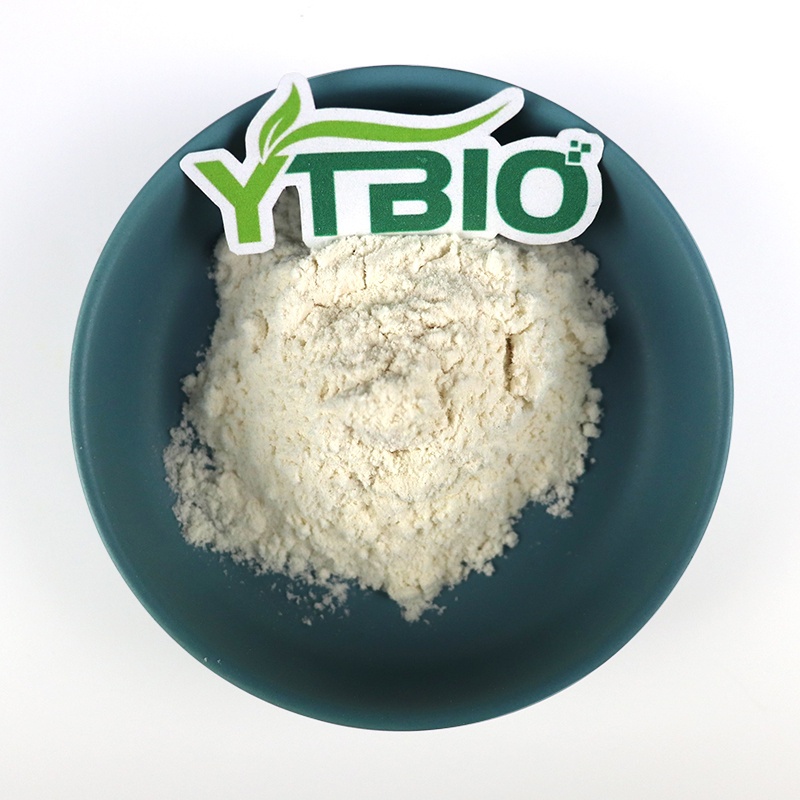
A few years ago, the term "spermidine" was typically found only in biochemistry textbooks; today, driven by growing consumer interest in cellular health and healthy aging, it has become a star ingredient in dietary supplements, functional foods, and even skincare formulations. Wheat germ extract standardized to contain 1% spermidine has emerged as the mainstream application form—it is natural, widely recognized, and easy to formulate with.

I.What is spermidine, and why is it so important?
Spermidine is a polyamine naturally present in all living cells, playing a vital role in cell growth, renewal, and metabolic regulation. Spermidine levels in the body tend to decline with age, which is a key reason why researchers and formulators are so interested in supplementation.
This compound is closely linked to autophagy—the body's natural process of clearing out damaged cellular components and recycling them into new materials. This connection to cellular renewal, along with its potential benefits for cardiovascular and cognitive health, drives its popularity in anti-aging and longevity product lines.

II.Why wheat germ extract is the preferred source
While spermidine can be derived from various sources—including soy, fermentation processes, *Chlorella*, and synthetic pathways—wheat germ remains the industry's primary natural source:
- Mature extraction technology. Wheat germ processing is a well-established and understood field, making sourcing and production more predictable compared to emerging extraction methods.
- Familiar food profile. As a common food ingredient, wheat germ enjoys greater consumer acceptance than synthetic or lab-fermented alternatives.
- Standardization for consistency. Standardization to 1% spermidine provides brands with a reliable, quantifiable level of the active ingredient, facilitating formulation design—a critical factor for dosage accuracy, label claims, and batch-to-batch consistency. Nevertheless, the plant-based origin of wheat germ introduces certain considerations—such as gluten content and natural fluctuations in raw material yields. Consequently, some brands combine its use with allergen testing and rigorous extract standardization protocols, or offer non-wheat alternatives for gluten-sensitive consumers.
III.Application Areas
Cross-over applications in functional foods and beverages. Spermidine is no longer confined to capsules on supplement shelves. Food and beverage manufacturers are increasingly incorporating spermidine-rich ingredients (such as wheat germ extract) into health-oriented product lines, ranging from energy bars to fortified foods.
The rise of longevity-focused supplement brands. A new wave of supplement brands has built its identity around cellular health and the science of longevity, with spermidine often serving as a key ingredient in their formulations.
Expansion into the cosmetics sector. Spermidine is finding increasingly widespread application in skin health; its cell-renewal properties make it a natural fit for both topical products and "beauty-from-within" offerings.
Conclusion
From longevity research laboratories to functional food shelves, spermidine is successfully breaking into the mainstream market. As further clinical studies are conducted, the potential benefits of spermidine will be more fully validated. For functional food brands, it represents an emerging ingredient worthy of close attention. Backed by Nobel Prize-winning science regarding autophagy, spermidine is generating sustained buzz in the anti-aging market; this has driven a surge in demand for wheat germ extract, which is projected to maintain a high double-digit compound growth rate in the coming years.

Email: sales@sxytbio.com
WhatsApp/phone: +86 17782577059