

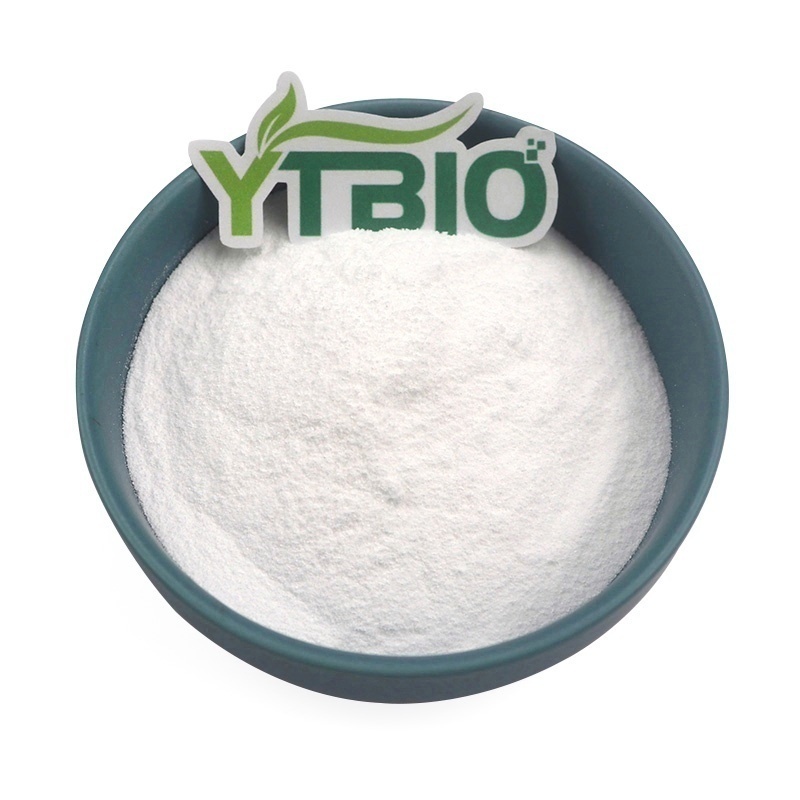
Berberine Hydrochloride: A Natural Plant-Derived Ingredient Beneficial for Metabolic and Cardiovascular Health
Global interest in metabolic health is on the rise. Irregular diets, sedentary lifestyles, and escalating stress levels pose challenges to blood sugar and lipid balance across all age groups. Berberine hydrochloride is a natural ingredient extracted from plants such as those in the *Berberis* genus (e.g., European barberry), *Coptis* genus (e.g., *Coptis chinensis*), and *Phellodendron* genus. While it has a history of use in traditional herbal medicine spanning centuries, berberine hydrochloride has now emerged as one of the most extensively studied plant-derived ingredients for supporting healthy glucose and lipid metabolism.

I.How Does Berberine Hydrochloride Support Metabolic Health?
Berberine is best known for activating AMP-activated protein kinase (AMPK), an enzyme often referred to as the cell's "energy sensor." AMPK activation facilitates efficient cellular glucose uptake and regulates hepatic glucose production, thereby helping to maintain healthy blood sugar levels.
Research indicates that berberine increases the expression of low-density lipoprotein (LDL) receptors in the liver and influences the PCSK9 pathway. These mechanisms assist the body in clearing LDL cholesterol from the bloodstream. Clinical studies show that subjects taking berberine experience improvements in total cholesterol, LDL cholesterol, and triglyceride levels.
Due to its low absorption rate, a significant portion of berberine reaches the intestine, where it interacts with the gut microbiota. Recent studies suggest it may help modulate the balance of microbial communities, thereby promoting metabolic and digestive health.
The total daily intake commonly used in clinical trials ranges from approximately 900 to 1,500 mg, typically taken in two or three divided doses with meals. Some studies indicate that when combined with a healthy diet and regular exercise, berberine can lead to modest improvements in body weight, BMI (Body Mass Index), and waist circumference.
II.Applications in Dietary Supplements
Blood Sugar and Metabolic Support Formulas: Often paired with chromium, alpha-lipoic acid, or cinnamon extract. Cardiovascular and cholesterol management products: Sometimes formulated in combination with red yeast rice or plant sterols.
Weight management and metabolic health formulations: Targeting the wellness and sports nutrition markets. Leveraging the long history of berberine’s traditional use, formulations are being developed to support digestive and gut health.
Berberine hydrochloride is chemically stable and easily standardized, making it suitable for capsules, tablets, and powder blends. Given its naturally limited oral bioavailability, many brands are focusing on optimizing particle size control and utilizing advanced delivery systems.
III.Market Trends and Consumer Demand
The global berberine supplement market is experiencing explosive growth, with the market size projected to exceed $26.5 billion by 2032; the United States, Europe, and the Asia-Pacific region are the primary growth drivers. This trend is largely fueled by rising consumer demand for "natural, gentle, and metabolic-regulating" solutions. Awareness of berberine in the dietary supplement and functional food sectors is increasing, and consumer preferences are shifting toward natural, clinically validated compounds—an area where berberine holds a distinct advantage.
This article is for informational purposes only. Statements regarding dietary supplements have not been evaluated by the U.S. Food and Drug Administration (FDA). These products are not intended to diagnose, treat, cure, or prevent any disease.

Email: sales@sxytbio.com
WhatsApp/phone: +86 17782577059