Leave Your Message

China Best Sodium Copper Chlorophyllin Powder Supplier

Choosing a China-based sodium copper chlorophyllin powder supplier calls for more than comparing prices. Buyers need to assess identity, batch consistency, documentation, and whether the material suits the intended application. Sodium copper chlorophyllin is a water-soluble green colorant, but its shade and performance can vary with formulation and processing conditions. Small differences matter.

Industry reports provide useful context, not a shortcut to supplier approval. Grand View Research’s Food Colors Market report reviews demand across colorant categories, while MarketsandMarkets’ food colors market analysis tracks commercial and application trends. These reports discuss the wider colorants sector; they do not verify an individual supplier’s quality or forecast demand for this specific ingredient. That distinction is worth keeping clear.

For buyers planning to Buy Sodium Copper Chlorophyllin Powder, practical checks should come first. Request a current certificate of analysis, product specification, safety data sheet, and representative batch records. Check declared color strength, moisture, copper content, and applicable microbiological limits against your own requirements. Ask how the supplier handles traceability and changes in raw materials. Then test a sample in the actual product matrix; a vivid green in a laboratory beaker may look different in a finished formulation. No supplier can remove every uncertainty. A careful review can make those uncertainties visible before a larger order is placed.

China Best Sodium Copper Chlorophyllin Powder Supplier

What Sodium Copper Chlorophyllin Powder Is and How It Is Made

Sodium copper chlorophyllin is a water-soluble green colorant made from chlorophyll-rich plant material. It is not simply dried leaf powder. In production, plant pigments are extracted, then treated under alkaline conditions to remove the chlorophyll molecule’s fat-soluble phytol group. Copper is introduced into the pigment structure, and sodium salts help make the resulting material disperse in water. Small details matter. Temperature, pH, and extraction conditions can affect shade and solubility, so manufacturers may use different process controls.

The FAO/WHO Joint Expert Committee on Food Additives (JECFA) specification describes sodium copper chlorophyllin as a mixture and sets compositional ranges, including 4.0–6.0% copper and 5.0–7.0% sodium. These figures are useful checks, not a complete quality profile. A supplier’s batch documents should also identify the test methods and relevant contaminant results. The powder may look evenly green, but appearance alone cannot confirm purity or performance. That distinction is easy to overlook. For practical evaluation, buyers can compare water dispersibility, color strength, moisture, and batch-to-batch consistency against their intended application.

Key Properties and Quality Standards for Sodium Copper Chlorophyllin

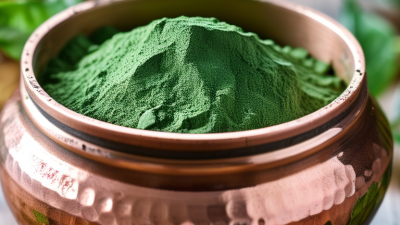
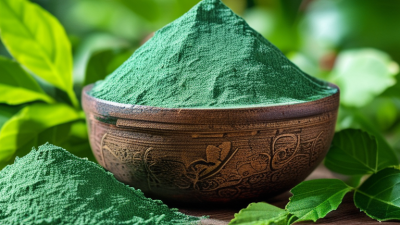
Sodium copper chlorophyllin is a water-soluble green pigment used in several product formulations. Its appearance offers a quick check: a uniform, deep-green powder is generally preferable to material with visible clumps or uneven coloring. Color alone proves little, though. Identity should be confirmed with suitable analytical testing, such as UV-visible spectroscopy, alongside a review of the supplier’s certificate of analysis.

Quality starts with clear specifications. Check assay, moisture, copper content, and pH using stated test methods and acceptance limits. The exact limits can vary by grade and intended use, so avoid treating one supplier’s specification as universal. Ask for results tied to the actual production lot. Check them carefully. Heavy metals, microbiological quality, and residual solvents should also be assessed where relevant to the application. A neat certificate is useful, but only when its methods and sample details are clear.

Powder handling can reveal practical issues. A small sample should dissolve consistently in water, without unexpected sediment or a sharp change in shade. Storage matters, too: moisture and strong light may affect color or flow, so sealed, light-resistant packaging is sensible. These checks reduce uncertainty, but they do not replace independent verification. Some variability may remain between batches, and that deserves honest attention. A dependable supplier should explain deviations rather than simply label every lot “standard.”

Common Uses in Food, Cosmetics, and Other Industries

China Best Sodium Copper Chlorophyllin Powder Supplier

Common Uses in Food, Cosmetics, and Other Industries

Sodium copper chlorophyllin is a water-dispersible green colorant used in selected food and personal-care formulations. In drinks, sauces, confectionery, and powdered mixes, it can provide a consistent shade where natural chlorophyll may be less soluble. Results vary with heat, light, pH, and neighboring ingredients. Small details matter. Green on a specification sheet can still turn olive in a heated batch. The Joint FAO/WHO Expert Committee on Food Additives (JECFA) lists an acceptable daily intake of 0–15 mg/kg body weight per day for copper complexes of chlorophylls. This is a safety benchmark, not a recommended intake or universal approval for use.

In cosmetics, the ingredient is used in some soaps, rinse-off products, and color-care formulations. The Cosmetic Ingredient Review Expert Panel has assessed copper chlorophyllin ingredients for cosmetic use; suitability still depends on concentration, product type, and exposure. A green tint in a cream may also transfer onto pale fabric, so compatibility testing is practical, not optional.

Other specialty formulations may use it where a water-soluble green color is useful, but the application and permitted use vary by market. Buyers should check a supplier’s identity and assay data, copper limits, microbiological results, and batch traceability. Ask for a sample from the actual production grade. Bench testing often reveals what a neat product sheet cannot. JECFA and cosmetic assessments inform evaluation, but local requirements must be checked before formulation.

How to Evaluate a Sodium Copper Chlorophyllin Powder Supplier in China

When evaluating a sodium copper chlorophyllin powder supplier in China, request evidence tied to the actual production lot. A polished brochure is not enough. Ask for a recent certificate of analysis showing assay, copper content, moisture, and test methods. Check whether results come from an independent laboratory, and compare the methods with China’s GB 1886.306-2020 food-additive standard.

JECFA’s evaluation record sets a group acceptable daily intake of 0–15 mg per kilogram of body weight for copper complexes of chlorophyllins. This is a safety reference, not proof that a particular batch meets specification.

Ask suppliers to explain how they control raw-material identity, processing, and batch variation. Request traceability records, too. Small details matter.

A sample should match the specification in color, solubility, and odor, but appearance alone proves little. Ask for storage conditions and shelf-life evidence, then compare samples from separate batches.

Review food-safety system certificates, while checking their scope and validity. A certificate can look perfect. It may still leave gaps.

Supplier comparisons take time, and even careful buyers can miss something; document open questions before approving a source.

Sourcing, Documentation, and Delivery Considerations for Chinese Suppliers

China Best Sodium Copper Chlorophyllin Powder Supplier

Sourcing, Documentation, and Delivery Considerations for Chinese Suppliers

When sourcing sodium copper chlorophyllin powder from China, compare suppliers by process control, product consistency, and communication—not price alone. Ask for a current specification sheet and a batch-specific certificate of analysis. Check that the stated assay, appearance, and solubility match your intended application. A green sample is not enough.

Request traceability details, production dates, storage guidance, and information about the testing methods used. Confirm that documents identify the same product grade and batch as the quotation. If a result or specification is unclear, ask the supplier to explain it in writing. This step can feel slow, but it may prevent mismatched expectations later.

Discuss packaging and delivery before placing an order. Powder should be packed in sealed, moisture-resistant inner liners, with clear batch labels on the outer cartons. Confirm carton weight, lead time, shipping route, and how delays will be reported. Request a pre-shipment document review, then compare delivered labels and paperwork against the approved records. Keep a retained sample when practical; transport conditions and storage after arrival can affect product quality. Small checks matter. No supplier can remove every uncertainty, so build time for questions and inspection into the purchasing plan.

China Best Sodium Copper Chlorophyllin Powder Supplier - Sourcing, Documentation, and Delivery Considerations for Chinese Suppliers

Category Sourcing Consideration Information or Evidence to Request Buyer Check
Product identity Confirm that the offered material is sodium copper chlorophyllin powder, rather than another chlorophyll derivative or a liquid preparation. Product specification, ingredient declaration, chemical identity information, and a representative sample. Match the product identity and intended application to the purchase specification before ordering.
Grade and intended use Requirements can differ for food, dietary supplement, cosmetic, and other applications. Permitted uses and limits depend on the destination market. Declared grade, intended-use statement, applicable standard or regulatory references, and destination-market documentation where relevant. Verify requirements with the relevant local regulations and your regulatory adviser; do not assume one grade is suitable for every market.
Specification Powder appearance, solubility, assay, pH, moisture, ash, and other test limits may vary by supplier specification and test method. Current technical data sheet and a complete, agreed specification showing test methods and acceptance limits. Agree limits and methods in writing before production. Avoid relying on a generic product description alone.
Lot quality Quality should be assessed for each production lot against the agreed specification. Batch-specific certificate of analysis (COA), including results, units, methods, batch number, and test or release date. Check that the COA lot number matches the packaging and shipping documents. Request independent testing when appropriate.
Contaminant controls Applicable limits for heavy metals, microbiological parameters, and other contaminants depend on the intended use and destination market. Relevant test results, laboratory or method details, and the supplier's contaminant-control specification. Define required analytes and acceptance limits with reference to the applicable product and market requirements.
Manufacturing controls Assess whether the supplier has documented production, hygiene, quality-control, and batch-traceability procedures suitable for the intended application. Quality-system information, facility or process questionnaire, audit information, and traceability or recall procedures, as applicable. Verify certificates and audit claims with their issuers where relevant; certification scope and validity should cover the product or site concerned.
Documentation Documentation needs depend on the product, use, transport mode, and import destination. Commonly requested documents include COA, safety data sheet (SDS), technical data sheet, commercial invoice, packing list, and certificate of origin where required. Confirm document names, language, format, issuing party, and submission deadlines before shipment. Request additional declarations only when relevant to your market or use.
Packaging and storage Packaging should protect the powder from moisture and contamination during storage and transit; specific shelf life and storage conditions are product-dependent. Packaging material and net weight, storage instructions, shelf-life statement, and batch identification details. Agree packaging and remaining shelf-life requirements in the purchase order. Check that labels and seals are intact on receipt.
Sample approval A pre-purchase sample can help assess color, handling, and performance in the buyer's process, but it does not replace batch testing. Sample identification, sample COA if available, and written confirmation of the specification to be used for commercial production. Record approval criteria and retain a reference sample where practical; compare production lots against the agreed specification.
Lead time and capacity Production and dispatch timing depend on stock, order quantity, packaging, testing, and export preparation. Written production schedule, confirmed quantity, dispatch estimate, and status updates for the order. Obtain a shipment date rather than relying on an unconfirmed general lead-time estimate; allow time for testing and document review.
Shipping and trade terms Freight mode, customs responsibilities, insurance, and delivery obligations depend on the agreed contract and Incoterm. Quoted Incoterm and named place, shipping route or mode, estimated transit time, freight details, and insurance arrangements if applicable. State the Incoterm and named place clearly in the purchase order and confirm who handles export clearance, import clearance, and duties.
Import readiness Import requirements vary by country and may include product-specific, labeling, customs, or safety documentation. Product description, composition details, country-of-origin information, and other documents requested by the importer or local authorities. Check requirements with the destination-country authorities or customs broker before the goods leave China.
Commercial terms Payment terms, order quantity, tolerances, claims handling, and remedies should be agreed before production or shipment. Pro forma invoice, purchase-order confirmation, agreed specification, delivery schedule, and written claim procedure. Ensure the commercial documents and product specification are consistent, and define how non-conforming goods will be handled.

Note: Specifications, test limits, regulatory status, shelf life, and delivery schedules are product- and market-dependent. Confirm all requirements for the specific material, application, and destination before purchase.