How to Buy Sodium Copper Chlorophyllin Powder in Bulk?
Buying Sodium Copper Chlorophyllin Powder in bulk requires more than comparing prices. Buyers must verify identity, purity, color strength, and intended application before placing a large order. Sodium copper chlorophyllin is commonly used as a green color additive in foods, supplements, cosmetics, and personal-care formulations. Its performance can change with pH, light exposure, heat, and mineral content.
MarketsandMarkets reported that the global natural food colors market was valued at approximately USD 1.7 billion in 2023. The report also projected continued growth through 2028, driven by cleaner-label product demand. However, this broader market figure does not prove demand for every chlorophyllin grade. That distinction matters. A supplier’s sales claim is not a substitute for testing.
Dr. Susan Mayne, former director of the FDA’s Center for Food Safety and Applied Nutrition, has emphasized, “Food safety is a shared responsibility.” Her principle applies directly when you Buy Sodium Copper Chlorophyllin Powder. Request a current specification sheet, certificate of analysis, heavy-metal results, microbiological limits, and batch traceability. Confirm whether the material meets the required food, cosmetic, or supplement standards in your destination market. Codex GSFA and JECFA references can support regulatory screening, but they should not replace local legal review.
Check the powder in a sample-size trial first. Observe its color in your actual formula. Measure dispersion, odor, stability, and storage behavior. Bulk purchasing can reduce cost, yet an unsuitable grade may create expensive waste. One overlooked detail is packaging. Moisture-resistant, light-protective containers can preserve consistency during transport and storage. The process is not flawless, but careful documentation makes it more reliable.
Define Sodium Copper Chlorophyllin: E141(ii), CAS 11006-34-1, and Commercial Forms
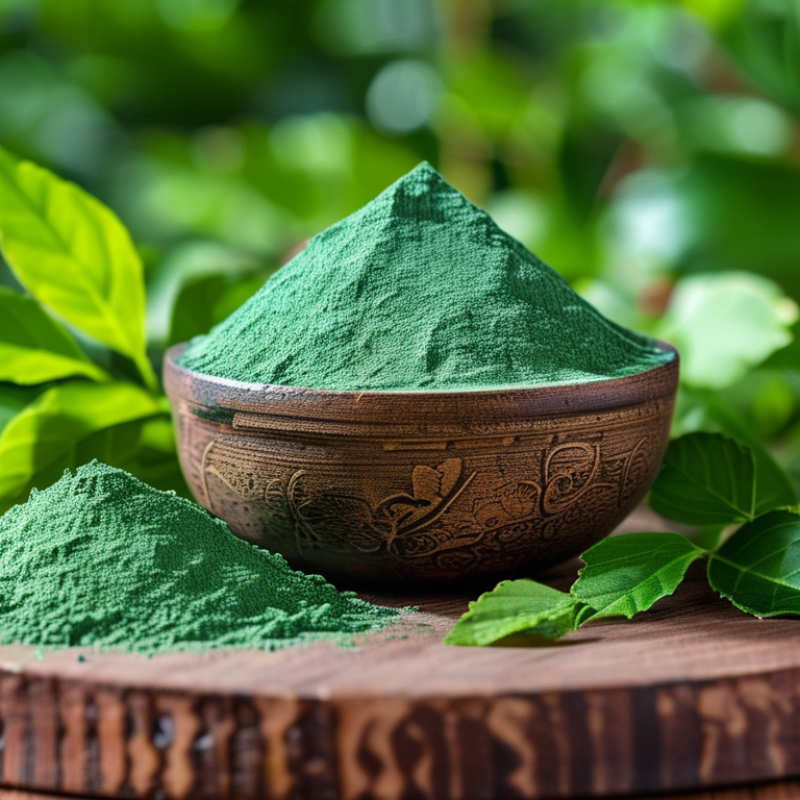
Sodium copper chlorophyllin is a water-soluble copper complex derived from chlorophyllins. In Europe, it is identified as food colour E141(ii). Its commonly used Chemical Abstracts Service number is CAS 11006-34-1. The molecule is not simply dried green leaf powder. Copper replaces magnesium in the chlorophyll structure, while sodium salts improve dispersion in water.
The FAO/WHO JECFA specification database describes copper complexes of chlorophylls and chlorophyllins through identity, purity, and contaminant requirements. The Codex General Standard for Food Additives also lists INS 141(ii) for permitted food applications. These references matter when buying bulk material. A supplier should provide a current certificate of analysis, safety data sheet, assay result, moisture level, and heavy-metal testing. Check the declared copper content carefully.
Commercial forms usually include fine powder, agglomerated powder, granules, and prepared aqueous solutions. Powder is easier to store and transport, but it may create dust during weighing. Granules can improve handling and reduce airborne particles. Liquid forms disperse quickly, yet they need suitable packaging and microbial controls. Bulk buyers should compare colour strength, particle size, solubility, carrier ingredients, and batch consistency. Market reports on natural colour ingredients frequently separate powders from liquid systems, reflecting different processing and logistics costs. Still, report categories are broad. They should not replace laboratory verification. A green appearance alone proves very little.
Set Bulk Specifications: Assay, Copper Content, Moisture, Mesh Size, and Solubility
Buying sodium copper chlorophyllin powder in bulk starts with a measurable specification sheet. Do not accept “high purity” as a complete requirement. Set the assay target, commonly 95% or higher, and request the testing method, batch result, and sampling date. JECFA’s food additive specifications identify copper chlorophyllins as INS 141(ii), while industry purchasing documents often control copper near 4–6%. Confirm the actual limit with your regulatory and technical teams.
Copper content matters.
Moisture should usually remain at or below 5% for stable handling, although your process may require a tighter limit. Excess moisture can cause caking inside a 25-kilogram bag and reduce dosing accuracy. Specify mesh size, such as 80 or 100 mesh, when rapid dispersion matters. A sieve report is more useful than a supplier’s visual description.
Solubility also needs a practical test: define water temperature, concentration, mixing time, color uniformity, and acceptable sediment. FCC monograph practices and JECFA specifications provide useful reference points, but neither replaces a product-specific validation. A clear solution at one concentration may turn hazy at another.
I have seen specifications look precise, yet omit pH and insoluble residue. That gap deserves attention before signing a bulk contract. Request a certificate of analysis, retain a sealed reference sample, and compare three production lots before approving regular supply.
Compare MOQ, Price per Kilogram, Lead Time, Packaging, and Incoterms
Buying sodium copper chlorophyllin powder in bulk requires more than comparing the quoted price. Request the MOQ, price per kilogram, production lead time, and current stock status in writing. A low MOQ may carry a higher unit price, while a large order can reduce costs but increase storage pressure. Ask for a recent certificate of analysis, specification sheet, batch number, moisture data, assay, and microbiological results. Check whether the material suits your intended food, cosmetic, or technical application under local regulations.
Tips: Compare landed cost, not only the product price. Under EXW, you may pay inland transport and export handling. FOB usually includes delivery to the export port, while CIF includes freight and insurance to the destination port. Confirm who handles customs clearance, duties, and possible inspection charges. Packaging also matters. Kraft bags with inner liners may suit dry storage, while sealed fiber drums can offer stronger protection during long transit. Confirm net weight, pallet requirements, labeling, and storage temperature.
Lead time should include production, quality release, and dispatch. Add a practical buffer. Delays happen. I have seen buyers compare a ten-day quotation with a twenty-day quotation, then overlook port congestion and document preparation. That comparison was incomplete. Before committing, request a representative sample and inspect color uniformity, powder flow, odor, and seal integrity. Payment terms, replacement procedures, and batch traceability deserve equal attention. A spreadsheet helps, but supplier documents still need careful review.
How to Buy Sodium Copper Chlorophyllin Powder in Bulk? - Compare MOQ, Price per Kilogram, Lead Time, Packaging, and Incoterms
Purchasing note: The prices above are indicative bulk-market ranges in USD per kilogram, not quotations from a specific company or brand. Final pricing depends on assay, color strength, testing requirements, order volume, packaging, destination, payment terms, freight, customs duties, and applicable regulatory documentation. Confirm the specification, certificate of analysis, sample approval, shelf life, and Incoterms before placing an order.