China’s Sodium Copper Chlorophyll market has grown beyond simple price comparisons. Buyers now examine color stability, copper content, odor, solubility, and documentation. A reliable supplier should explain its raw material source clearly. It should also provide batch-specific certificates of analysis, heavy-metal results, microbiological data, and stability information.
Dr. Mark Blumenthal, a respected botanical-industry authority, has emphasized, “Quality is not a single test; it is a process.” This principle fits Sodium Copper Chlorophyll especially well. Manufacturing conditions can affect shade, dispersibility, and storage performance. A bright green powder may look impressive in a sample jar. That appearance alone proves very little.
Look closer.
Serious Chinese manufacturers should show controlled production records, traceable lots, and consistent testing methods. Buyers should ask whether the product is intended for food, cosmetics, or another permitted application. Regulatory requirements can differ between markets. A supplier that avoids precise answers deserves caution.
Experience also reveals an uncomfortable point. The lowest quotation is rarely the complete purchasing cost. Rejected batches, delayed documents, and unstable color can create larger losses later. Still, no supplier is perfect. Even experienced factories may need stronger communication or improved technical support. The best choice is therefore not simply the biggest company. It is a transparent partner with suitable capacity, responsive quality control, and evidence that matches its claims.
This guide compares China-based suppliers through those practical standards. It focuses on product consistency, manufacturing discipline, verification, and long-term cooperation. The goal is straightforward: help buyers identify dependable Sodium Copper Chlorophyll sources without relying on attractive claims alone.
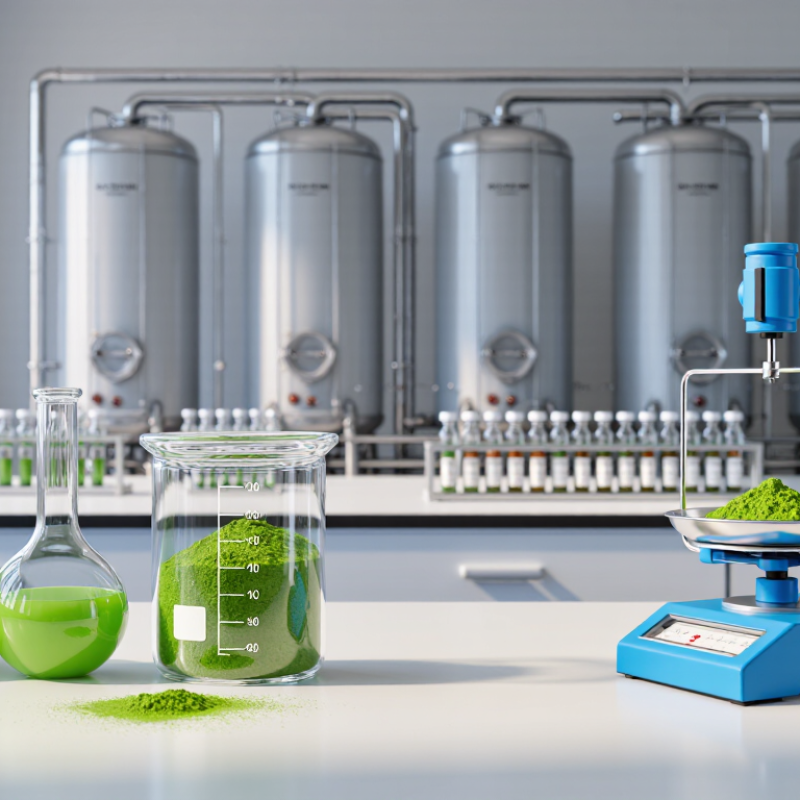
Sodium copper chlorophyll is a water-soluble derivative of chlorophyll. It is produced by replacing chlorophyll’s central magnesium with copper, then forming a sodium salt. This change improves dispersion in water. The ingredient usually appears as a dark green powder or concentrated liquid. When mixed, it can create a vivid green solution, although shade and clarity may vary.
Its applications depend on local regulations and product specifications. It may be used as a coloring ingredient in selected foods, beverages, cosmetics, or technical formulations. It should not be treated as a universal health solution. Reliable evaluation requires identity testing, copper content verification, heavy-metal limits, microbiological analysis, and stability data. A detailed certificate of analysis matters. So does batch traceability.
Light, heat, oxygen, and acidity can affect its color. Storage in a sealed, light-resistant container is practical. We have found that small formulation changes can alter the final shade more than expected. Not every green powder behaves alike. This is easy to overlook. A professional supplier should provide specification sheets, compliant documentation, sample testing, and clear storage guidance. Still, laboratory results should be reviewed independently, because paperwork alone cannot prove consistent performance. Sodium copper chlorophyll can be useful, but careful verification remains essential.
Sodium copper chlorophyllin is a water-soluble derivative of chlorophyll. Its copper complex gives it a clear green appearance in diluted solutions. The sodium salt improves dispersion in water-based formulas. However, shade intensity can vary with concentration, pH, light exposure, and processing temperature. It is not perfectly stable.
In practical formulation work, a small sample should be checked under actual conditions. A green solution may turn dull after heating or prolonged light exposure. Compatibility tests with acids, salts, oils, and preservatives can reveal unexpected color changes. Reliable suppliers should provide identity testing, assay results, microbiological data, heavy-metal limits, and storage guidance. These documents matter more than appearance alone.
Common applications include food and beverage coloring where local regulations permit its use. It may also appear in oral-care products, cosmetics, personal-care formulas, and water-based technical preparations. Toothpaste, mouth rinses, soaps, and facial products can benefit from its green tone and easy water dispersion. Formulators should confirm permitted concentration and labeling requirements for each market. Some applications need improved light protection or opaque packaging. Others require careful pH adjustment. A bright color is useful, but it does not prove consistent quality. Testing remains necessary.
Choosing a sodium copper chlorophyll supplier requires more than comparing prices. Start with the product specification. Check the chlorophyll source, copper content, appearance, odor, solubility, and moisture level. The supplier should provide a recent certificate of analysis for each production batch. Independent laboratory results add confidence.
Traceability matters. Ask where the raw materials come from and how each batch is recorded. A reliable facility should follow suitable quality systems, maintain clean production areas, and control contamination risks. Request documents covering heavy metals, microorganisms, residual solvents, and stability data. Do not accept vague claims. Details reveal experience.
Test a sample before making a large order. Observe its color in water, sediment, packaging condition, and performance after storage. Ask about light protection, temperature limits, shelf life, and transport conditions. A serious supplier answers clearly and shares practical technical guidance. Communication speed also matters, but fast replies can hide weak records.
I have learned that a polished website proves very little. No supplier is perfect. Even a strong factory may have incomplete documents or inconsistent sample communication. That weakness deserves an honest discussion, not an immediate rejection. Compare several suppliers using the same checklist, then review their evidence with a qualified professional before purchase.
China Best Sodium Copper Chlorophyll Supplier?
A reliable supplier should make manufacturing standards visible, not merely claim high quality. Production areas need controlled hygiene, documented cleaning, and calibrated equipment. Staff training should cover handling, contamination prevention, and batch identification. GMP-based procedures and HACCP risk assessments can strengthen process control, while ISO 9001 systems support consistent documentation.
Quality begins with approved raw materials. Each incoming lot should have identity records, supplier information, and inspection results. During production, technicians should monitor temperature, pH, mixing time, and filtration conditions. Small deviations can change color, solubility, or copper content. They should be recorded, investigated, and corrected before release.
Laboratory testing should confirm appearance, assay, moisture, microbiological limits, and heavy metals. Copper and sodium levels require suitable validated methods, such as ICP-OES when appropriate. A certificate of analysis should match the actual batch number. Traceability matters.
In practical supplier reviews, audit the factory rather than trusting polished documents. Request recent test reports, retention-sample procedures, change-control records, and stability data. Packaging should protect the powder from light and moisture, with clear storage instructions. No process is flawless. A transparent supplier admits occasional deviations and shows how they were handled. That honesty is more useful than perfect-looking paperwork. Destination-market requirements must also be checked before purchase, because acceptable specifications can differ by application and country.
The chart presents commonly referenced maximum limits for selected contaminants in food-grade sodium copper chlorophyllin, expressed in milligrams per kilogram. A qualified supplier should support each batch with identity, purity, heavy-metal, microbiological, and stability testing. Applicable limits may differ by destination market, grade, and current food-additive regulations.
Sodium copper chlorophyll needs protection from light, moisture, and excessive heat during storage. I usually request sealed inner bags inside food-grade fiber drums or suitable HDPE containers. Each package should show the product name, batch number, net weight, production date, expiry date, and storage conditions. Small details matter. A damaged liner can affect powder flow and color stability.
Reliable suppliers should provide a current Certificate of Analysis for every batch. The document should match the shipped lot, not a general sample. Buyers may also need an SDS, specification sheet, allergen statement, origin declaration, and microbiological test results. Heavy metal limits and additive requirements can differ between countries. Therefore, importing teams should confirm destination rules before placing a large order. I would not trust vague claims such as “global compliance” without supporting records.
Global supply planning requires more than a competitive quotation. Confirm the shipping term, port options, production lead time, minimum order quantity, and remaining shelf life at dispatch. Humidity exposure during sea transport is another practical concern. Desiccants and reinforced cartons may help, but they are not universal solutions. One weakness in many purchasing plans is assuming that the first approved sample represents future batches. A retained sample, batch traceability process, and written change-notification policy can reduce that risk. Mistakes still happen. Good documentation makes them easier to find and correct.