Leave Your Message

Top Wholesale Sodium Copper Chlorophyllin Powder Suppliers?

Choosing reliable Wholesale Sodium Copper Chlorophyllin Powder suppliers requires more than comparing price lists. Buyers need evidence of identity, purity, copper content, microbiological safety, and batch consistency. The ingredient may appear as a fine green powder, but quality differences can remain invisible.

Grand View Research reports continued growth in the global chlorophyll market, supported by demand for natural colors, supplements, and functional food ingredients. Fortune Business Insights also identifies clean-label formulation as a major market driver. However, these reports usually combine chlorophyll, chlorophyllin, and related derivatives. Their figures should not be treated as exact sodium copper chlorophyllin sales data. That distinction matters.

Dr. George S. Bailey, a recognized researcher in chlorophyllin toxicology, described chlorophyllin as “a water-soluble derivative of chlorophyll.” His work reinforces the need to distinguish chemical form, not merely marketing language. In practical sourcing, dependable suppliers should provide a current certificate of analysis, test methods, specification limits, country of origin, and traceable lot numbers. Look for clear information on copper levels, sodium content, moisture, heavy metals, residual solvents, and microbial counts. Ask for samples before placing a large order. Small details often expose large weaknesses.

Price alone is a poor filter. A low quotation may reflect weaker testing, inconsistent color strength, or limited technical support. Yet supplier websites can also exaggerate certifications. Verify them independently. This article compares leading Wholesale Sodium Copper Chlorophyllin Powder suppliers through documentation, manufacturing experience, production capacity, packaging quality, minimum order quantities, and export reliability. The evaluation is useful, but not perfect. Market data changes, and supplier performance can vary by batch.

Top Wholesale Sodium Copper Chlorophyllin Powder Suppliers?

What Is Sodium Copper Chlorophyllin Powder?

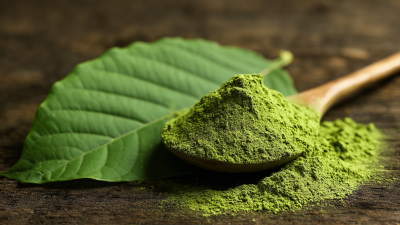
Sodium copper chlorophyllin powder is a water-soluble, processed derivative of chlorophyll. It is commonly produced from plant chlorophyll by replacing magnesium with copper and forming sodium salts. The result is a fine, deep green powder that disperses more easily in water than ordinary chlorophyll.

It is not simply dried leaf powder. Its appearance may resemble green paint, but color alone proves little. A reliable wholesale supplier should provide an identity test, assay results, copper content, moisture data, and microbiological limits. Heavy metal testing also matters, especially when the powder is used in food, supplement, or cosmetic formulations. Documentation should match the actual production batch.

In practical sourcing, I would request a current certificate of analysis and a small sample before placing a large order. The sample should dissolve consistently, without excessive sediment or an unusual odor. Solubility can change with pH, temperature, and storage conditions. Packaging should protect the powder from light and humidity.

“Natural” can be misleading here. Sodium copper chlorophyllin begins with plant pigment but is modified during processing. Some suppliers explain this clearly; others use vague language. That deserves scrutiny. Specification sheets should identify the intended grade, permitted applications, country of manufacture, and storage requirements. A green powder may look impressive, yet weak traceability can create avoidable formulation problems.
Key Specifications and Quality Standards

Wholesale buyers should evaluate sodium copper chlorophyllin powder through measurable specifications, not attractive catalog language. The powder should show a consistent dark green color, fine texture, and good water dispersibility. A reliable supplier provides assay results, copper content, moisture, pH, and solubility data for each batch. Specifications must match the intended food, cosmetic, or supplement application.

I usually request a current certificate of analysis, safety data sheet, and batch traceability records. Independent testing can verify identity through UV-Vis analysis and screen heavy metals with ICP-MS. Microbiological results should cover total plate count, yeast, mold, and relevant pathogens. Limits vary by destination and application, so copied numbers are not enough. Check the testing method, laboratory date, and acceptance criteria.

Quality systems also matter. Look for documented GMP practices, calibrated equipment, controlled storage, and sealed packaging that protects the powder from heat and moisture. A supplier should explain its sampling procedure clearly. I have seen excellent-looking samples fail after poor storage. That detail is easy to overlook. Supplier audits and a pre-shipment sample can reduce risk, although neither removes it completely. Even experienced buyers should question unusually low prices, vague purity claims, and certificates without laboratory identification.

How to Assess Wholesale Supplier Reliability

When assessing wholesale sodium copper chlorophyllin powder suppliers, reliability begins with verifiable evidence, not attractive product pages. Request a recent certificate of analysis for the exact batch offered. Check identity, assay, moisture, microbiological results, and heavy metal limits. The testing laboratory should be identifiable and appropriately qualified. Ask how the supplier traces raw materials, production dates, and batch numbers. A clear traceability system can prevent expensive quality disputes.

Tips: Order a small sample before negotiating volume. Compare its color, odor, dispersibility, and documentation with the agreed specifications. Confirm packaging details, such as sealed liners, lot labels, and storage instructions. Ask for typical lead times and written procedures for damaged shipments. Vague answers matter. So do missing records.

A dependable supplier communicates limitations honestly. They should explain whether specifications may vary between batches and how deviations are investigated. Request manufacturing information, allergen statements, and applicable compliance documents for your destination market. Do not rely on a single COA; review several batches when possible. I have found that fast replies can create false confidence. One supplier may respond within minutes but avoid technical questions. A slower team with consistent records may be safer to evaluate. Keep dated emails, samples, and approval notes in one file. This simple habit supports supplier accountability and future purchasing decisions.

Top Wholesale Sodium Copper Chlorophyllin Powder Suppliers? - How to Assess Wholesale Supplier Reliability

Assessment Dimension What to Verify Reliable Evidence or Test Practical Acceptance Benchmark Reliability Signal
Product Identity Confirm that the material is sodium copper chlorophyllin, commonly identified as food colour additive E141(ii), rather than ordinary chlorophyll, copper chlorophyll, or an unrelated green colour. Product specification, full ingredient statement, certificate of analysis (COA), and an independent identity test such as UV-Visible spectroscopy or HPLC where applicable. The product name, specification, COA, label, and test report should describe the same substance and grade. High Priority
Assay and Colour Strength Check the declared colour strength, assay method, shade, and concentration basis. Colour performance can vary with pH, light, heat, and the application matrix. Recent batch COA with test method, numerical result, specification range, and sample or application data when colour consistency is important. Every batch should meet the agreed specification; results should not rely only on a generic product brochure. High Priority
Copper Content Verify total copper content and ensure it complies with the regulatory requirements of the destination market and intended use. Laboratory result using a validated elemental-analysis method, such as ICP-OES or ICP-MS, with units and reporting basis clearly stated. The result must fall within the agreed product specification and applicable legal limits for the intended food, cosmetic, or other use. High Priority
Heavy Metals and Contaminants Evaluate lead, arsenic, mercury, cadmium, microbiological quality, and any other contaminants relevant to the application. Batch-specific third-party testing or a qualified laboratory report showing methods, detection limits, results, and sample identification. Results should comply with the destination market, customer specification, and applicable food or cosmetic safety requirements. High Priority
Microbiological Control Review total aerobic count, yeast and mould, pathogens, and any application-specific microbiological requirements. COA or independent microbiology report linked to the exact production lot, with sampling date and laboratory details. Testing should be performed for each lot or according to a documented risk-based quality plan. High Priority
Manufacturing Standards Determine whether the manufacturing site operates under documented GMP, HACCP, food-safety, or quality-management controls appropriate to the intended use. Current certification, audit report, scope of certification, site address, certificate validity, and corrective-action records where available. The certification scope should cover the relevant product category and actual manufacturing location. High Priority
Traceability Confirm that the supplier can trace raw materials, processing records, testing, packaging, and shipment information by lot number. Lot-number format, sample COA, batch record summary, recall procedure, and written traceability response. A finished-goods lot should be traceable backward to key inputs and forward to shipment records. High Priority
Specification Consistency Compare specifications across quotations, technical data sheets, COAs, labels, and commercial invoices. Document comparison covering appearance, odour, solubility, moisture, assay or colour strength, copper, microbiology, packaging, and shelf life. No unexplained differences should appear between the approved specification and shipment documents. Medium Priority
Solubility and Application Performance Assess water dispersibility or solubility, shade stability, pH tolerance, heat stability, and compatibility with the intended formulation. Application test using the buyer's actual process conditions, including concentration, pH, temperature, storage, and packaging. A pre-shipment sample should meet the buyer's approved performance criteria before a bulk order is released. High Priority
Packaging and Storage Check whether packaging protects the powder from moisture, light, contamination, and excessive heat during storage and transport. Packaging specification, photographs, tamper-evidence details, net-weight verification, palletization plan, and storage instructions. Packaging should be sealed, food-contact suitable where required, clearly labelled, and appropriate for a moisture-sensitive powder. Medium Priority
Shelf Life and Retention Samples Verify manufacturing date, expiry or retest date, recommended storage conditions, and whether retention samples are kept. Shelf-life study summary, stability information, lot-specific date coding, and documented retention-sample procedure. Remaining shelf life at delivery should meet the purchase agreement, with storage conditions clearly stated. Medium Priority
Regulatory Documentation Confirm that the supplier can provide documents required for the destination market and intended application. Specification, COA, safety data sheet where applicable, allergen statement, GMO statement, country-of-origin information, and regulatory declarations. Documents should be current, signed or controlled, internally consistent, and suitable for the buyer's regulatory review. High Priority
Sample and Pre-Shipment Control Determine whether the supplier supports representative samples, approval procedures, and pre-shipment verification. Sealed sample with lot number, sample COA, approved reference standard, inspection plan, and agreed release conditions. Bulk production should not be accepted solely on the basis of an unverified catalogue sample. High Priority
Order and Lead-Time Reliability Review minimum order quantity, production lead time, capacity, shipment terms, and communication during delays. Written quotation, purchase agreement, historical delivery records, production schedule, and defined escalation contacts. Lead times, quantities, Incoterms, payment terms, and delay responsibilities should be documented before payment. Medium Priority
Quality Complaint Handling Assess how the supplier investigates deviations, out-of-specification results, damaged goods, and customer complaints. Written complaint procedure, response-time commitment, root-cause analysis example, corrective-action process, and replacement or credit policy. The supplier should provide a documented response and corrective-action plan rather than relying on informal explanations. High Priority
Commercial Transparency Check whether pricing, payment terms, testing charges, packaging costs, freight responsibility, and product changes are disclosed clearly. Detailed quotation and contract containing product grade, specification revision, quantity, delivery terms, payment milestones, and change-notification requirements. Unexpected substitutions, undocumented specification changes, or unusually low prices should trigger additional verification. Medium Priority

Note: Acceptance limits should be agreed with the buyer's quality and regulatory teams because requirements vary by country, product category, dosage, and intended application.

Required Certifications and Product Documentation

When evaluating wholesale sodium copper chlorophyllin powder suppliers, request documentation before discussing large volumes. A current Certificate of Analysis should identify the lot number, assay, appearance, moisture, ash, pH, and testing methods. It should also show limits for heavy metals, microbial counts, and relevant contaminants.

Look for a Safety Data Sheet, technical data sheet, allergen statement, and non-GMO declaration when applicable. If the powder is used in food, ask whether the facility follows recognized food-safety systems, such as GMP or ISO 22000. Certifications must cover the actual manufacturing site, not only a trading office. Check the certificate number and validity date. Details matter.

A reliable supplier should provide batch traceability from raw materials to finished powder. Packaging specifications should mention food-contact suitability, net weight, storage temperature, and shelf life. Request a retained sample and compare it with the stated color, dispersibility, and odor. Some suppliers send polished documents but weak test evidence. That deserves scrutiny. I would also confirm whether testing is performed internally or by an independent laboratory. Documents can be incomplete, especially for export orders, so record every missing item and ask for written clarification before approval. The final purchase file should include the quotation, specification, COA, SDS, quality agreement, and signed change-notification terms.

Wholesale Sodium Copper Chlorophyllin Powder: Certification Planning

The chart summarizes the standard three-year certification cycle commonly used for ISO 9001, ISO 22000, and FSSC 22000 certificates. Certification status should be verified with the supplier and the issuing certification body before purchase.

For wholesale qualification, request a current certificate, product specification, batch-specific Certificate of Analysis (COA), Safety Data Sheet (SDS), allergen statement, country-of-origin declaration, heavy-metal and microbiological test results, and confirmation that the product complies with the intended food, supplement, cosmetic, or industrial-use regulations.

Comparing Pricing, Packaging, and Order Terms

When comparing wholesale sodium copper chlorophyllin powder suppliers, pricing needs more than a per-kilogram figure. A lower quote may exclude testing, freight, or export documentation. Ask for tiered prices at 25, 100, and 500 kilograms. Check whether the quoted assay, moisture, and copper content remain consistent across lots. Request a recent certificate of analysis, specification sheet, and sample before discussing large orders. Small differences matter.

Packaging also affects product quality and handling costs. Common options include one-kilogram foil-lined bags, five-kilogram cartons, and twenty-five-kilogram fiber drums. The inner liner should protect the powder from moisture and light. Ask how pallets are wrapped and whether lot numbers remain visible after shipping. I would not accept vague packaging descriptions. They create avoidable problems during warehouse checks.

Order terms deserve equal attention. Confirm the minimum order quantity, sample policy, production lead time, and payment schedule in writing. A practical agreement should explain inspection rights, replacement procedures, and responsibility for damaged cartons. Clarify whether shipping terms include insurance and customs documents. Supplier answers can sound confident, yet details may change later. Leave room for review. A flexible first order is often safer than chasing the lowest price. Mistakes happen, especially when buyers compare different specifications without noticing.