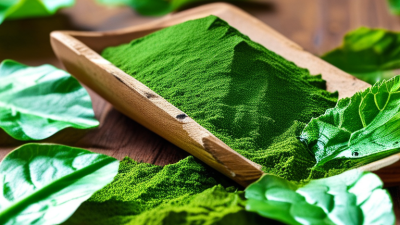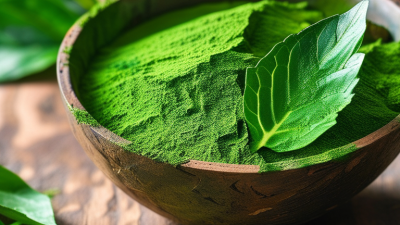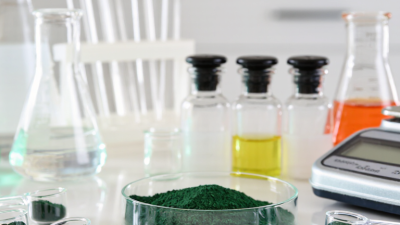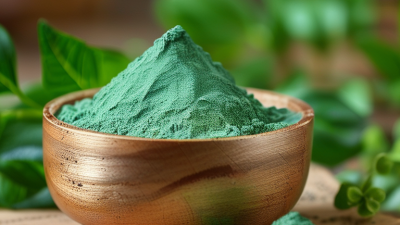
Global buyers often compare Sodium Chlorophyllin Copper by price, color strength, solubility, and documentation. However, these factors rarely tell the complete sourcing story. A bright green powder may look attractive, yet its performance can change in water, beverages, tablets, or cosmetic formulations. Particle size, moisture content, copper level, and carrier materials can affect production results. Small details matter.
This guide examines the main Sodium Chlorophyllin Copper types available to international purchasers. It considers powder and liquid forms, standard and customized grades, and applications requiring different purity profiles. Buyers should review the certificate of analysis, ingredient specification, allergen statement, safety data sheet, and batch traceability records. Testing for heavy metals, microbiological quality, residual solvents, and stability can provide stronger purchasing confidence. Supplier experience also matters, especially when documentation must support customs clearance or quality audits.
There is no universal “best” type.
A suitable product depends on the intended application, local requirements, dosage format, and manufacturing process. Regulatory acceptance may differ between countries, so buyers should confirm current rules with qualified local professionals. Product names can also be inconsistent across markets, creating avoidable confusion. This overview offers practical guidance, but it cannot replace independent laboratory testing or regulatory review. A careful buyer should compare samples under real processing conditions, not only read a technical sheet. That extra step may reveal sediment, odor, shade variation, or unexpected pH sensitivity before a large order is placed.
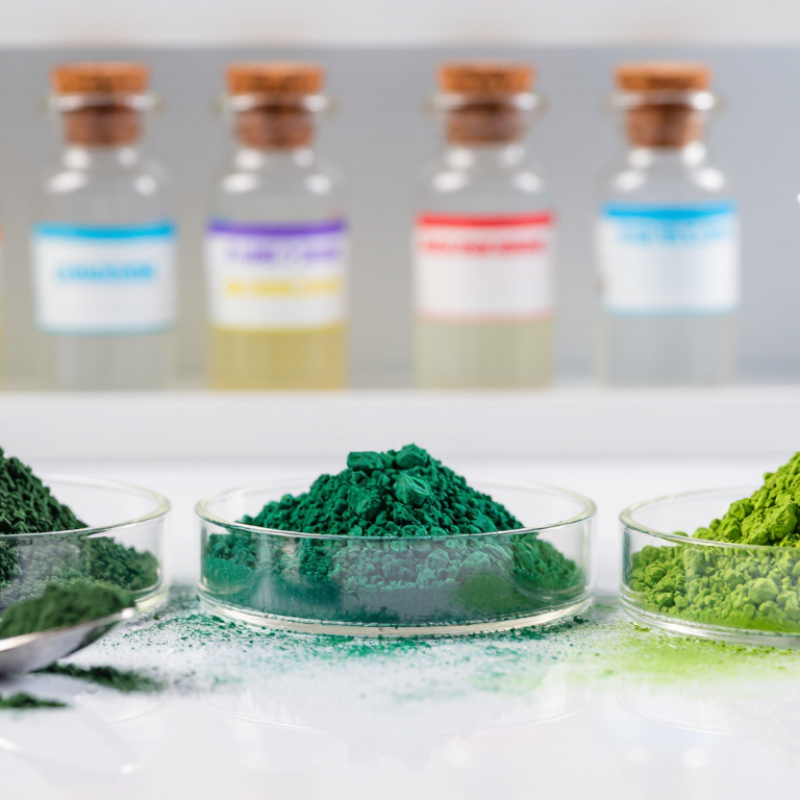
Sodium copper chlorophyllin is a water-soluble derivative of chlorophyll. During production, copper replaces the natural magnesium at the pigment’s center. Sodium salts then improve dispersion in water. The result is a deep green powder or liquid with practical handling advantages. It is commonly evaluated for use in food, personal care, and other regulated formulations.
Its color strength depends on concentration, pH, light exposure, and processing temperature. Warm water usually disperses it well, but complete solubility should not be assumed without testing. Some grades may show slight shade changes after prolonged heating. That detail matters in beverages, gels, and clear solutions. Quality checks often include appearance, identification, copper content, moisture, microbiological limits, and batch-to-batch color consistency.
Not every green powder behaves alike. A buyer should compare the product specification with the intended application, rather than relying only on the name. Technical documents should clearly state composition, recommended storage, shelf life, and applicable regulatory status in the destination market. Packaging also deserves attention; light-resistant containers can help protect color during transport. Claims about health effects require careful evidence and legal review. The chemistry is useful, but it is not magic. Testing in the final formula remains essential.
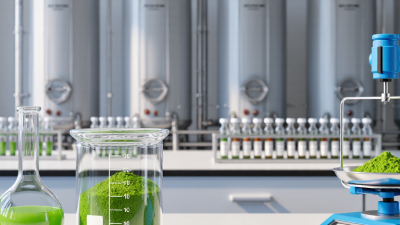
Sodium copper chlorophyllin is commonly supplied in powder, liquid, and sometimes granulated forms. Powder is popular for international shipping because it is concentrated, stable, and easy to weigh. It usually appears as a dark green material with a fine, slightly dusty texture. Liquid grades dissolve quickly and suit applications requiring direct blending. However, they may need careful temperature control and leak-resistant packaging. Granules can reduce dust during handling, but availability differs among suppliers.
Composition matters more than appearance. Sodium copper chlorophyllin contains copper complexes formed from chlorophyll derivatives, together with sodium salts and controlled moisture. Different grades may show differences in copper content, pigment concentration, solubility, pH, and ash. These details affect color strength and processing behavior. A brighter green does not always indicate better quality. That assumption deserves caution.
Experienced buyers should request a current specification sheet, certificate of analysis, allergen statement, and microbiological results. Testing for heavy metals and identity is also important, especially for products entering regulated markets. Check whether the material is intended for food, cosmetic, or other permitted applications, because legal requirements vary by country. Liquid products may perform well in aqueous systems, while powders often offer better storage efficiency. Still, laboratory trials remain necessary. Small differences in pH can change dispersion, shade, and final stability. Supplier documentation helps, but it cannot replace application testing.
International buyers comparing sodium chlorophyllin copper types should treat quality standards as the main purchasing filter. Product appearance alone is not enough. A reliable specification should state copper content, sodium level, chlorophyllin assay, moisture, ash, and pH. Confirm the botanical source and extraction process. These details help distinguish a consistent green powder from a merely attractive sample.
Ask for a current certificate of analysis from every production lot. It should cover heavy metals, microbial limits, residual solvents, and prohibited contaminants. Independent laboratory verification adds confidence, especially when suppliers operate across different regulatory regions. Check whether the facility follows recognized good manufacturing practices and maintains batch traceability. Packaging also matters. Moisture-resistant, food-grade containers can protect color and stability during long ocean transport. However, documents may still contain gaps. Review them carefully rather than assuming compliance.
Tips: Request a retained sample, compare it with the shipped batch, and confirm storage conditions before signing. Use clear acceptance limits in the purchase contract. Test solubility in water, color uniformity, odor, and sediment after mixing. Shorter lead times are useful. Still, rushing approval can create expensive quality problems. One practical mistake is relying on a single test report; methods and detection limits may differ. Ask for method references and laboratory accreditation. This approach supports safer, more transparent international purchasing.
| Product Type | Typical Appearance | Active Chlorophyllin Content | Copper Content | Water Solubility | Typical pH of 1% Solution | Moisture | Key Quality-Control Points | Common International Applications |
|---|---|---|---|---|---|---|---|---|
| Standard Powder Grade | Dark green to blue-green powder with a characteristic odor | Typically 95% minimum | Usually controlled within approximately 4%–6% on a dry basis | Freely soluble or readily dispersible in water | Approximately 9.0–11.0 | Typically 5% maximum | Assay, copper level, pH, moisture, particle size, heavy metals, microbiological limits, and absence of adulterated dyes | Food and beverage color preparation, general formulation, and water-soluble premixes |
| High-Purity Food-Grade Powder | Uniform dark green powder with consistent color strength | Typically 98% minimum | Must comply with the applicable food-additive specification and declared assay method | Rapidly soluble in water with limited insoluble residue | Approximately 9.0–11.0 | Typically 5% maximum | Identity testing, color strength, residual solvents where applicable, heavy metals, microbial counts, and food-contact compliance documentation | Coloring of confectionery, beverages, sauces, seasonings, and dietary supplement formulations |
| Fine-Mesh Powder Grade | Fine, free-flowing green powder with low visible agglomeration | Commonly 95%–98% | Controlled according to the product specification and regulatory market requirements | Good dispersion and faster dissolution than coarse material | Approximately 9.0–11.0 | Typically 5% maximum | Particle-size distribution, sieve residue, flowability, bulk density, color uniformity, assay, and packaging protection against humidity | Instant powders, tablets, hard capsules, beverage premixes, and automated dosing systems |
| Granulated or Agglomerated Grade | Green granules or compact agglomerates with improved flow | Usually 95% minimum | Must remain within the declared specification after granulation | Designed for controlled wetting, dispersion, and reduced dusting | Approximately 9.0–11.0 | Typically 5% maximum | Granule strength, dissolution time, fines content, bulk density, moisture migration, assay uniformity, and stability during transport | Tablet manufacture, sachets, capsules, nutraceutical blends, and industrial dry-mixing operations |
| Liquid Water-Soluble Grade | Dark green homogeneous liquid or concentrated aqueous solution | Declared as total chlorophyllin solids or active solids concentration | Controlled against the liquid specification and concentration basis | Fully miscible or readily dilutable in water when formulated correctly | Typically approximately 9.0–11.0 | Reported as total solids rather than powder moisture | Active concentration, viscosity, pH, sedimentation, microbial quality, preservative status, container compatibility, and freeze-thaw stability | Liquid beverages, syrups, oral liquids, cosmetic preparations, and liquid color concentrates |
| Pharmaceutical or Supplement-Oriented Grade | Consistent green powder or standardized liquid concentrate | Normally supported by validated assay and batch-specific certificate of analysis | Must meet the applicable pharmacopoeial, food-supplement, or national regulatory requirements | Suitable for the intended dosage form and validated manufacturing process | Typically approximately 9.0–11.0 for aqueous preparations | Commonly 5% maximum for powder, unless otherwise specified | Identity, assay, elemental impurities, microbial limits, residual solvents, allergens, irradiation status, GMO statement, and stability data | Dietary supplements, oral-care products, botanical formulations, and regulated health-product manufacturing |
Top Sodium Chlorophyllin Copper Types for Global Buyers
Sodium chlorophyllin copper is a water-soluble chlorophyll derivative used across several commercial fields. Its bright green color supports applications in selected food and beverage formulations, where local additive rules must guide purchasing. In health products, buyers often examine purity, copper content, dosage format, and available safety documentation. Evidence for specific wellness benefits remains limited, so responsible suppliers avoid exaggerated claims. That matters.
Cosmetic formulators use it in green creams, rinses, soaps, and oral-care products. Its appearance can improve visual appeal, while formulation testing confirms stability under light, heat, and different pH levels. Industrial users may select it for water-based color systems, laboratory work, or odor-related formulations. Performance varies between grades. A product that works in a clear gel may perform poorly in an oil-rich cream. I have seen specifications look impressive, yet small-scale testing revealed sediment and uneven color.
Tips: Request a current certificate of analysis, safety data sheet, allergen statement, and heavy-metal results. Check solubility in your actual formula. Confirm microbial limits, copper percentage, packaging, and shelf life. Ask whether the material is food, cosmetic, pharmaceutical, or technical grade. Do not treat “natural green” as proof of universal safety. Requirements differ by country, and documentation can become outdated. A careful buyer also tests one production batch before signing a large contract.
Application Fit Index for sodium copper chlorophyllin across food, health, cosmetics, oral care, and technical formulations.
The index uses a 0–5 scale based on established application relevance, water-soluble formulation suitability, and common regulatory or technical references. Food coloring is associated with E141(ii), while cosmetic applications commonly reference CI 75810. The index is a buyer-screening guide, not a market-share estimate.
Global buyers should compare sodium chlorophyllin copper by specification, not color alone. Powder grades suit dry blends and capsules, while liquid grades support beverage or cosmetic processing. Check copper content, sodium ratio, assay, solubility, moisture, and particle size. A vivid green sample is not proof of consistent quality.
Request a current certificate of analysis for every production lot. It should show identification, assay, heavy metals, microbiological results, moisture, and test methods. The safety data sheet must match the shipped material and packaging. For food or supplement use, buyers may also need allergen, non-GMO, origin, and regulatory statements. Requirements vary by destination.
Supply risks often appear after approval. Ask about minimum order quantities, lead time, annual capacity, backup raw materials, and temperature controls. Confirm whether the supplier can provide sealed samples, traceable batch numbers, and export documents before payment. Packaging matters: moisture barriers and clear labels reduce warehouse mistakes. One weakness remains common: buyers sometimes approve a laboratory sample without testing production-scale consistency. Repeat testing is slower, but it can reveal shade drift, sediment, or poor dissolution before a shipment reaches customers.