What is Chlorophyllin Sodium Copper and its Benefits?
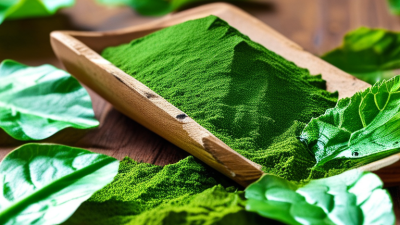
Chlorophyllin Sodium Copper is a derivative of chlorophyll, the green pigment found in plants. It has drawn attention in the health and wellness industry for its multiple benefits. Recent studies suggest that chlorophyllin may possess antioxidant properties, which helps reduce oxidative stress in the body. According to a report by the Journal of Nutritional Science, these properties can play a crucial role in supporting overall health.
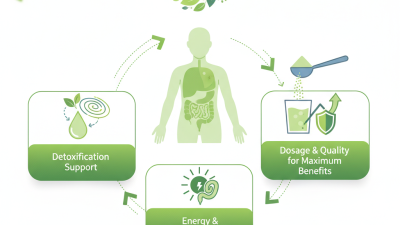
Research indicates that chlorophyllin may aid in detoxification processes. It could enhance the body's ability to eliminate harmful substances. This is particularly relevant in today's world, where exposure to toxins is common. However, while many claim chlorophyllin aids in digestion and improves skin health, scientific evidence is still evolving. Sometimes, the effects can vary based on individual health conditions.
The market for chlorophyllin sodium copper is expanding, driven by the growing awareness of plant-based supplements. As consumers seek natural alternatives, understanding its benefits becomes essential. Yet, it's important to approach these claims critically. Robust research is needed to fully validate them and address potential limitations.
What is Chlorophyllin Sodium Copper and Its Chemical Composition?
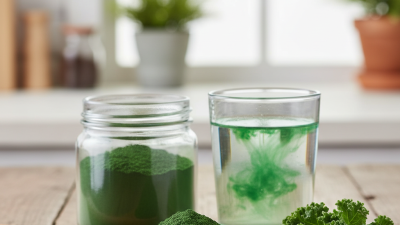
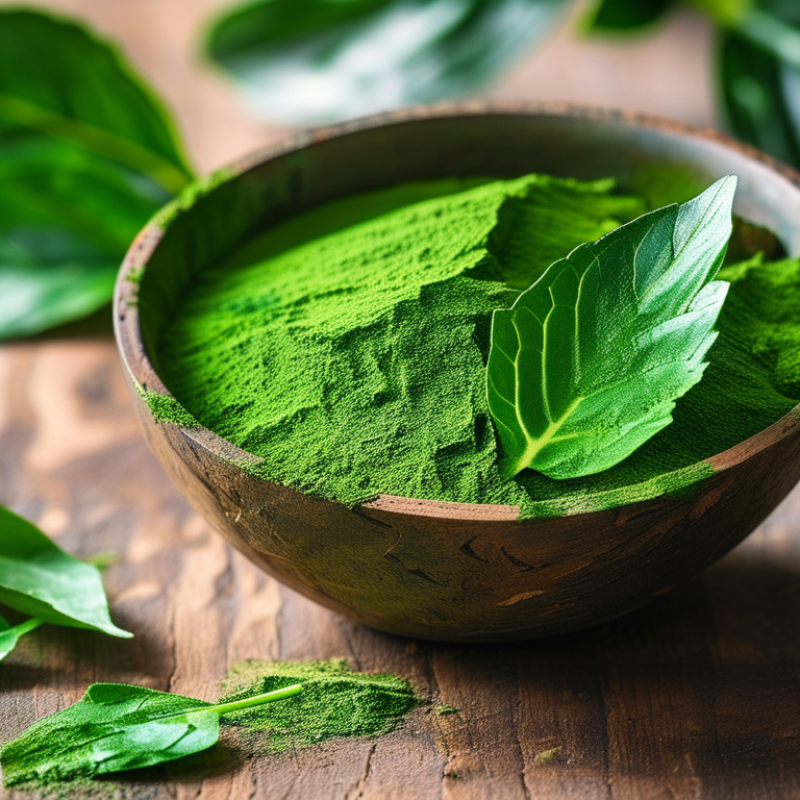
Chlorophyllin sodium copper is a water-soluble derivative of chlorophyll. It is derived from the pigment found in green plants. This compound is commonly used in various applications, including food coloring and supplements. Its unique structure includes copper, which plays a vital role in its stability and functionality.
The chemical composition of chlorophyllin includes elements like carbon, hydrogen, nitrogen, and oxygen. The presence of copper gives it distinctive properties, enhancing its antioxidant abilities. This makes chlorophyllin a potential candidate for promoting health benefits, such as detoxification and skin protection. Its structure allows for easier absorption in the body compared to natural chlorophyll.
Though studies suggest various benefits, the science behind chlorophyllin's effectiveness is still evolving. More research is needed to fully understand its potential. Users should approach its use with caution. Individual responses may vary, and not everyone may experience the same benefits. It is essential to rely on credible sources for information and not to make assumptions based on anecdotal evidence.
Historical Use of Chlorophyllin Sodium Copper in Traditional Medicine
Chlorophyllin sodium copper, derived from chlorophyll, has a rich history in traditional medicine. Many ancient cultures utilized it for its health properties. Ancient Egyptians applied green plant extracts for wound healing. They recognized the antiseptic effects of chlorophyll-rich plants. It was believed to help prevent infections and promote healing.
In Chinese medicine, chlorophyllin was used to detoxify the body. Herbalists recommended it for its potential to purify the blood. This practice showcased a deep understanding of the plant's natural benefits. People sought it for digestive health and overall vitality. Its green pigment symbolizes life and renewal across various cultures.
While historical uses highlight its benefits, modern research is still evolving. Scientific studies are exploring its effects on health conditions today. Some health claims may require further validation. Evaluating evidence is crucial in understanding its full potential. The journey of chlorophyllin sodium copper continues, bridging ancient wisdom with contemporary science.
Benefits of Chlorophyllin Sodium Copper Over Time
This bar chart represents the benefits of Chlorophyllin Sodium Copper as reported in various studies and traditional medicine practices, rated on a scale from 1 to 10. The highest ratings indicate significant perceived benefits in digestive health and detoxification, while other properties like skin health and antioxidant capabilities also receive noteworthy recognition.
Health Benefits of Chlorophyllin Sodium Copper: Evidence from Clinical Studies
Chlorophyllin sodium copper is a semi-synthetic derivative of chlorophyll. It is widely recognized for its potential health benefits. Clinical studies indicate several positive effects on human health.
One significant benefit is its role in detoxification. Research published in the Journal of Nutrition indicated that chlorophyllin can help eliminate toxins from the body. In a study involving 75 participants, those who consumed chlorophyllin showed notable reductions in certain carcinogens in urine. This suggests that chlorophyllin may support healthy liver function and aid in cellular cleansing.
Furthermore, chlorophyllin sodium copper may have antioxidant properties. A study in the European Journal of Clinical Nutrition reported that chlorophyllin exhibits the ability to neutralize free radicals. This action can help reduce oxidative stress and inflammation. Resulting effects include potential improvements in skin health and enhanced immune function. However, further research is necessary to fully understand and confirm these findings.
Even with its promising benefits, the long-term effects of chlorophyllin supplementation are still under investigation. That calls for a cautious approach when considering dietary changes. Balancing benefits with risks is crucial for making informed health decisions.
Mechanisms of Action: How Chlorophyllin Sodium Copper Affects Human Health
Chlorophyllin Sodium Copper is a semi-synthetic derivative of chlorophyll. Its mechanisms of action in human health are gaining attention. Studies suggest it may have antioxidant properties, potentially reducing oxidative stress. In a study published in the Journal of Clinical Nutrition, chlorophyllin showed promise in enhancing liver health by mitigating liver damage markers.
Research indicates that chlorophyllin can bind to potential carcinogens. It may prevent them from being absorbed in the gastrointestinal tract. A 2021 analysis noted a significant reduction in aflatoxin toxicity among participants consuming chlorophyllin. This highlights its protective role against certain types of cancer, especially in high-risk populations.
Tips: When considering chlorophyllin, focus on dietary sources. Include green vegetables and leafy greens in your diet for natural chlorophyll. Also, explore different forms of chlorophyllin supplements. Always consult with a healthcare professional before starting any new dietary regimen.
Safety and Side Effects of Chlorophyllin Sodium Copper Usage in Supplements
Chlorophyllin sodium copper is derived from chlorophyll, the green pigment in plants. It's often used in supplements for its potential health benefits. However, it’s important to consider its safety and side effects.
Many people tolerate chlorophyllin well. However, some individuals may experience gastrointestinal issues. These can include nausea, cramps, or diarrhea. Allergic reactions, though rare, might occur as well. Staying informed about these risks is crucial for safe usage.
Tips: Start with a low dose to gauge your body's response. Consulting a healthcare professional before adding new supplements is always a good practice. Monitor any reactions closely and discontinue use if adverse effects appear.
While chlorophyllin can provide certain benefits, not everyone may find it suitable. Some might prefer traditional green vegetables as a source. Each person’s health profile is unique. Be mindful of your personal health history.
What is Chlorophyllin Sodium Copper and its Benefits? - Safety and Side Effects of Chlorophyllin Sodium Copper Usage in Supplements
| Aspect |
Details |
| Definition |
Chlorophyllin Sodium Copper is a water-soluble derivative of chlorophyll, often used in dietary supplements. |
| Primary Uses |
Support digestive health, detoxification, odor control, and promote wound healing. |
| Common Benefits |
Antioxidant properties, potential anti-inflammatory effects, may enhance energy levels. |
| Safety Profile |
Generally recognized as safe when used in recommended amounts; however, long-term effects require further study. |
| Possible Side Effects |
Mild gastrointestinal issues, discoloration of urine or feces, and allergic reactions in sensitive individuals. |
| Recommended Dosage |
Typically ranges from 100-300 mg per day; consult with a healthcare professional before use. |