Choosing among the Top Pure Melatonin Powder Manufacturers in China requires more than comparing quoted prices. Buyers need evidence they can inspect. A supplier’s specification sheet should identify the material, assay method, batch number, and storage conditions. Ask for a recent certificate of analysis, then check whether an independent laboratory can verify key results. Small details matter. A clear chromatogram, sealed sample pouch, and traceable lot code can reveal how carefully a supplier manages quality.
Melatonin researcher Dr. Russel J. Reiter has studied the hormone’s biological role and circadian timing. A practical editorial takeaway from that research is: “Treat every purity claim as something to verify.” This is a paraphrase, not a verbatim quotation. That distinction matters; sourcing guides should not invent expert endorsements. Manufacturers also differ in documentation, communication, and consistency between sample and production batches. One attractive sample is not enough.
This guide compares manufacturers through verifiable signals, including testing records, process transparency, export experience, and responsiveness to technical questions. It does not treat a high stated purity percentage as proof by itself. Buyers should confirm specifications with qualified laboratories and assess suppliers against their own quality requirements. Some records may look complete yet leave practical questions unanswered. That deserves a second look. The aim is a grounded shortlist, not a promise that every supplier will fit every project.
Pure melatonin powder is a concentrated form of melatonin, a hormone involved in regulating the body’s sleep–wake timing. Its levels normally rise as evening approaches and light fades. The powder itself is not a sleep remedy for every cause of poor rest. Timing matters. Individual responses can vary.
In commercial production, the powder may be used as an ingredient in capsules, tablets, or other measured formulations. Because small quantities can represent meaningful amounts, accurate weighing and controlled blending are essential. A clean-looking powder proves little on its own. Reliable suppliers should support identity and purity claims with appropriate analytical testing, batch records, and checks for contaminants. These details help manufacturers assess consistency, not promise a particular result.
Researchers and product developers also value melatonin powder for formulation work and stability studies. Light, moisture, and storage conditions can affect ingredient quality, so sealed packaging and clear handling instructions matter.
One detail is easy to overlook: purity does not establish suitability for every person. Anyone considering melatonin for a health concern should seek guidance from a qualified healthcare professional, especially when taking medicines or managing an ongoing condition. Sleep is complicated. A powder cannot explain every restless night.
In China, pure melatonin powder may be produced through chemical synthesis or other controlled routes; the process varies by facility. Production starts with qualified raw materials and documented batch instructions. Operators check incoming materials before processing.
Small details matter.
The intermediate material is purified to reduce unwanted compounds, then dried under controlled conditions. Temperature, timing, and moisture levels can affect the final powder.
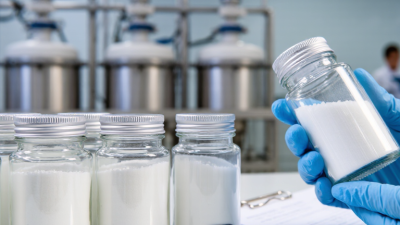
After drying, it may be milled and sieved to achieve a consistent particle size. The powder is packed in sealed containers to limit exposure to light and humidity.
Quality checks usually include identity and assay testing, often using chromatographic methods such as HPLC.
Depending on the specification, laboratories may also examine residual solvents, moisture, impurities, and microbial quality.
A clean-looking powder does not prove its purity.
Sampling can miss variation within a batch, so representative testing and traceable records are important. Even well-controlled production has limits; buyers should review current test reports and specifications rather than rely on a broad purity claim.
China’s leading pure melatonin powder manufacturers should be assessed by evidence, not ranking claims. Grand View Research estimated the global melatonin market at about US$1.3 billion in 2023 and projected 14.5% annual growth through 2030. That demand makes reliable quality controls especially important. A strong supplier can provide batch-specific certificates of analysis, validated assay results, impurity profiles, and clear raw-material traceability. Ask how samples are tested and whether independent laboratories confirm key results. Small details matter.
Production records should also show controlled processes, consistent specifications, and documented handling from manufacture to shipment. Request relevant quality-system documentation and review how deviations are investigated. A certificate alone is not proof of consistent performance. Compare several recent batches, not just a convenient sample. The numbers should align. Buyers should also check whether the supplier’s stated purity method is appropriate and clearly described. A polished brochure is not evidence. This review takes time, and no single checklist removes all uncertainty. Still, transparent records and responsive technical staff offer a more dependable basis for selecting a Chinese manufacturer than price or marketing language alone.
When evaluating a Chinese melatonin powder manufacturer, look beyond a certificate displayed on a wall. Ask whether its current GMP, ISO 22000, or HACCP documentation covers the actual production site and product scope. These systems can indicate organized controls, but they do not guarantee every batch meets its specification. That distinction matters.
A useful quality file should include a batch-specific certificate of analysis, with identity and assay results, plus relevant tests for heavy metals and microbial contamination. Check the laboratory name, test methods, dates, and acceptance limits. Independent testing adds confidence, especially when the supplier explains how samples were collected and results reviewed. Vague reports deserve follow-up.
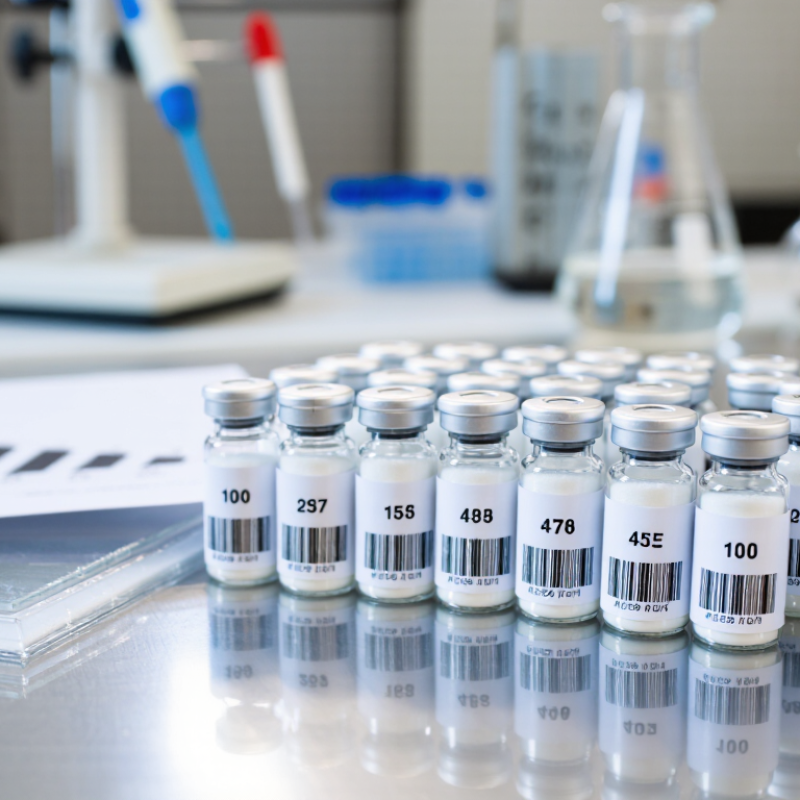
Factory audits can reveal practical details that certificates miss: labeled sample containers, separated storage areas, calibrated scales, and traceable batch records. Ask how deviations are investigated and whether retained samples are available. Requirements vary by destination market, so buyers should verify applicable standards with qualified regulatory professionals. No checklist replaces judgment; even a careful review may leave questions unresolved. That is worth admitting.
Choosing a Chinese melatonin powder supplier requires more than comparing quotations. Ask for a current specification sheet and a batch-specific certificate of analysis (CoA). Check that the assay method, identity test, moisture limit, and impurity results match your intended use. A polished document is not proof. Verify the laboratory and confirm that the results correspond to the lot being offered.
Request traceability from raw-material intake through packing, including lot numbers and change-control records. Review quality procedures, cleaning controls, equipment calibration, and staff training. Independent testing by an appropriately accredited laboratory can help confirm identity and purity. Ask how samples are sealed, labeled, and stored; humidity can affect powder stability. Small details matter.
Evaluate packaging, shelf-life evidence, shipping conditions, and how quickly the supplier responds when records are incomplete. Compare quotations only after aligning product grade, test scope, minimum order, and delivery terms. A video tour can be useful, but it cannot replace an audit or document review. No checklist catches everything. After the first production lot, compare incoming test results with the CoA and record any deviations before scaling orders. Be cautious of unusually low prices or pressure to skip verification; a capable supplier should answer precise questions without promising perfection.