
Leave Your Message

China Best Pure Melatonin Powder Factory for Bulk Buyers

Choosing a China-based Pure Melatonin Powder Factory for bulk purchasing calls for more than a competitive quotation. Buyers need clear specifications, consistent batches, and records they can review. Melatonin is a hormone, so product quality and responsible communication matter. A polished brochure is not enough.

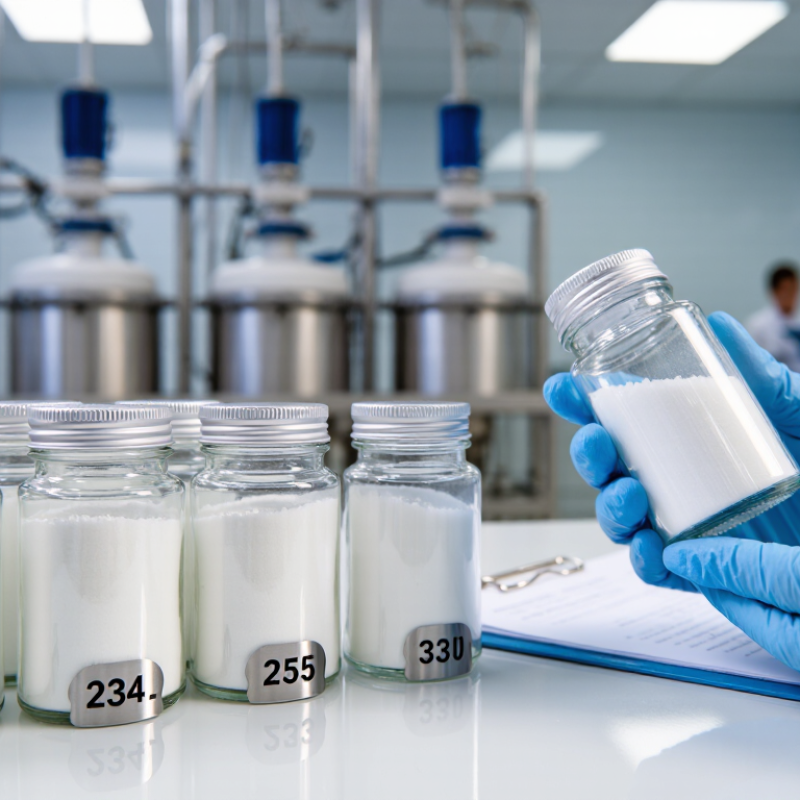
Ask for a current certificate of analysis for the offered batch. Check that it identifies the test methods and reports identity, assay, and relevant contaminant results. Independent laboratory verification can add confidence. Look for traceable batch numbers, documented quality procedures, and packaging that protects the powder from moisture and light. Small details count. A sealed sample jar should match the lot information on its paperwork.

Production capacity matters, but so does honest disclosure about lead times and order limits. Request details on minimum order quantities, storage conditions, shipping protection, and how deviations are handled. Export documents and product requirements can differ by destination. Confirm them with qualified regulatory professionals before placing an order. No supplier’s claims alone establish suitability for every market or application.

This guide helps bulk buyers compare suppliers using practical questions rather than slogans. It cannot confirm any factory’s current performance without direct checks. That gap deserves attention. Review samples, documents, and communication together, and record unresolved questions before committing to a large order. A careful supplier may not promise perfection, but should explain its controls and limitations plainly.
China Best Pure Melatonin Powder Factory for Bulk Buyers

What Pure Melatonin Powder Is and How It Is Used

Pure melatonin powder is a concentrated form of melatonin, a hormone naturally produced by the body in response to darkness. As a raw ingredient, it may be used by qualified manufacturers to make measured capsules, tablets, or other formulated products. It is not the same as a finished supplement. Purity, identity, moisture, and contaminant testing matter, especially when buyers assess bulk materials.

Melatonin products are commonly used to support sleep timing, but effects can vary between people. Powder should not be measured casually at home; small amounts can be difficult to portion accurately. Finished products should follow suitable quality controls and clear labeling. Anyone considering melatonin should check with a qualified healthcare professional, particularly when pregnant, taking medication, or managing a health condition. The evidence and individual response are not always straightforward.

Tips: For bulk purchasing, request a recent certificate of analysis and confirm the test methods, batch number, and storage requirements. Keep material sealed, dry, and protected from light. A specification sheet is useful, but it does not replace independent verification.

How Melatonin Powder Is Manufactured in China

How Melatonin Powder Is Manufactured in China

Melatonin powder production in China generally begins with qualified raw materials and documented supplier checks. Manufacturers define specifications before processing, including identity, assay, moisture, and acceptable impurity limits. The material is processed under controlled conditions, then dried and milled to achieve a consistent powder. Small details matter. Room temperature, humidity, and equipment cleanliness can affect a batch.

Quality control continues after milling. Samples are tested against the agreed specification, and batch records link results to production and packaging steps. Buyers can request current certificates of analysis, test methods, and information about sampling. Ask whether testing is performed in-house or by an independent laboratory. A certificate alone may not answer every question; methods and traceability matter too. Processes differ between facilities, so avoid assuming that every supplier uses the same controls.

Tips: Confirm the product’s assay basis, particle-size range, and packaging requirements before ordering in bulk. Request a representative sample and check that its documentation matches the proposed commercial batch. Review how the facility handles sealed storage and lot identification. One point can be overlooked: powder may absorb moisture during handling, so packaging and shipment conditions deserve careful review.

China Best Pure Melatonin Powder Factory for Bulk Buyers - How Melatonin Powder Is Manufactured in China

Data Dimension Manufacturing or Product Information Bulk-Buyer Verification Point
Substance identity Melatonin is also known as N-acetyl-5-methoxytryptamine. Its molecular formula is C13H16N2O2, and its molar mass is approximately 232.28 g/mol. Check that the product name, molecular formula, CAS number (73-31-4), and test method are consistent across the specification and certificate of analysis.
Raw-material control Manufacturers qualify incoming starting materials and production aids before use. Identity, quality, and traceability checks are part of a documented quality system. Request the applicable raw-material controls and traceability records; confirm that the supplier’s requirements meet the intended market’s regulations.
Synthesis Melatonin for commercial use is produced through chemical synthesis. The specific route, reagents, and operating conditions are process-specific and may be proprietary. Ask for a process overview, impurity-control approach, and confirmation that manufacturing is conducted under the quality and regulatory framework applicable to the intended use.
Isolation and purification After synthesis, the target compound is separated from process materials and purified. Crystallization or other suitable purification operations may be used, depending on the process. Review the impurity profile and the validated or qualified analytical methods used for release testing.
Drying and powder finishing Purified material is dried and may be milled or screened to obtain a powder with the required handling characteristics. These operations can affect moisture and particle-size distribution. Specify any required moisture and particle-size tests in the purchase agreement; request results for the actual lot rather than relying only on a typical value.
Identity and assay testing Quality-control testing commonly includes identity and assay. The exact methods and acceptance limits depend on the product specification and applicable requirements. Request the lot-specific certificate of analysis, including methods, results, units, and acceptance criteria. Do not assume a particular purity limit unless it is stated in the agreed specification.
Additional quality checks Depending on intended use and applicable rules, a release program may address related substances, residual solvents, water content, and microbiological quality. Agree in advance which tests are required, their methods, and limits. Confirm whether testing is performed in-house or by an external laboratory.
Appearance and handling Melatonin is generally described as a white or almost white crystalline powder. Appearance alone does not establish identity, purity, or suitability. Use the specification and analytical results for acceptance; follow the supplier’s documented storage and handling instructions.
Packaging and traceability Finished powder is packed in a suitable container intended to protect the material during storage and transport. Packaging format and batch size vary by supplier and order. Confirm container material, net weight, seal integrity, lot identification, packaging date, and any required transport or storage conditions.
Documentation for bulk orders Common purchasing documents include a product specification, lot-specific certificate of analysis, safety data sheet, and relevant quality or regulatory declarations. Confirm document availability, change-notification expectations, sample policy, lead time, and acceptance procedures before placing a bulk order.

Note: This table describes general manufacturing and purchasing considerations, not a specific factory’s process or guaranteed product specification. Actual methods, limits, documentation, and regulatory obligations vary by supplier, product grade, and destination market.

Purity, Testing, and Quality Standards for Bulk Supply

For bulk buyers, purity begins with a clear, written specification. It should define melatonin identity, assay limits, appearance, moisture, and acceptable impurity levels. A white powder is not proof of quality. Ask for a batch-specific certificate of analysis and the analytical methods behind each result. HPLC can support assay testing, while an appropriate identity test helps confirm the material. Details matter.

Reliable supply also depends on more than a high purity figure. Review testing for residual solvents, heavy metals, and microbiological limits where applicable. Check that results link to the lot you will receive, not a generic sample. Traceable batch records, controlled storage, and retained samples help make later investigations possible. Ask how deviations are handled. A polished certificate is useful, but it cannot replace a qualified quality system or a careful supplier review.

No testing plan catches everything. Sampling can miss variation within a lot, and methods have limits. Buyers should align specifications with their intended use and applicable requirements, then periodically verify incoming material through independent testing. It takes time, but shortcuts can become expensive.

Bulk Packaging, Storage, and Shipping Considerations

For bulk buyers, packaging should protect pure melatonin powder from moisture, light, and handling damage. A sealed inner liner inside a rigid, food-contact-suitable container can help preserve product integrity during storage and transit. Ask the factory to confirm that packaging materials suit the powder and its intended storage conditions. Small details matter.

Each package should show the product name, lot number, net weight, and packing date. Request matching batch documents, such as a certificate of analysis, and check that identifiers agree. Clear labels make warehouse checks easier. They are not a substitute for reviewing the documents, though. A neat label can still hide a mismatch.

Storage and shipping plans should follow the supplier’s documented specifications, rather than assumptions about temperature or shelf life. Keep containers sealed, dry, and away from direct sunlight; avoid placing them beside damp walls or heat sources. For shipment, use sturdy cartons and secure the containers against movement. Any desiccant should be separated from the powder and used only when compatible with the packaging plan. On arrival, inspect seals, carton condition, and lot details before accepting the shipment. No plan is flawless. Transit delays and rough handling can still happen, so agree on damage reporting and replacement procedures before dispatch.

How to Evaluate a Chinese Melatonin Powder Factory

China Best Pure Melatonin Powder Factory for Bulk Buyers

How to Evaluate a Chinese Melatonin Powder Factory

A reliable factory should show how it controls identity, purity, and batch consistency—not just present a polished certificate. Ask for recent batch-specific certificates of analysis, validated test methods, and clear records linking raw material lots to finished powder. Erland and Saxena’s 2017 Journal of Clinical Sleep Medicine study tested 31 melatonin supplements and found labeled content ranging from 83% below to 478% above the stated amount. This was not a factory audit, and it did not assess Chinese suppliers. Still, it highlights why independent, batch-level testing matters.

Tips: Request a sample and its matching lab report. Check assay results, heavy metals, microbial limits, residual solvents, and the laboratory’s accreditation. Ask who performs each test. Vague answers are a warning sign.

Review the site’s quality procedures, deviation records, and change-control process. A capable supplier should explain what happens when a batch misses specification, including investigation and corrective action. Verify production capacity against equipment records and recent output; impressive monthly figures alone prove little. Ask for stability data in the proposed packaging, too. Powder can absorb moisture, so inspect sealed samples and storage conditions. Video calls help, but an independent site audit offers stronger evidence. No single document settles the question; compare records across several batches and follow up on inconsistencies.