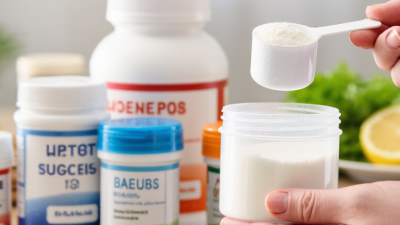
Global demand for botanical ingredients is growing, but supplier selection still begins with identity and evidence. The WHO’s 2019 Global Report on Traditional and Complementary Medicine found that 170 of 194 Member States reported using traditional medicine. That figure signals broad relevance, not proof of demand for Polygonatum extract. Buyers need product-specific documentation.
The Chinese Pharmacopoeia 2020 provides a formal reference for Polygonati Rhizoma, while the WHO’s Good Agricultural and Collection Practices guidance emphasizes traceable sourcing and controlled handling. These references help frame due diligence. Check the declared Polygonatum species, plant part, geographic origin, extraction solvent, and batch-specific certificate of analysis. Review methods for marker compounds, contaminants, microbial limits, and moisture. Paperwork matters. So does the sample in the jar.
WHO Director-General Dr. Tedros Adhanom Ghebreyesus has said, “Traditional medicine has been used for thousands of years and is an important part of the health and well-being of many communities.” This is a public-health perspective, not an endorsement of any supplier or product. For global buyers comparing Polygonatum Extract Suppliers, the practical question is whether each claim can be traced to test results and production records. Ask for recent batch documents, not just a polished brochure. Confirm that specifications match the intended application, and clarify whether the supplier can maintain them across repeat orders. One caution remains: supplier claims and available market data vary, so independent verification is essential.

Polygonatum extract is not a single, uniform ingredient. The 2020 Chinese Pharmacopoeia identifies three source species for Polygonati Rhizoma: Polygonatum sibiricum, P. kingianum, and P. cyrtonema. It is the rhizome, commonly processed before use, that defines this botanical material. Buyers should check the Latin name, plant part, processing method, and extract ratio on each specification sheet. Identity matters. A common name alone can hide meaningful differences.
Traditional use informs many current applications, including herbal preparations and food-oriented products, depending on local requirements. The WHO’s 2019 Global Report on Traditional and Complementary Medicine found that 170 of 194 Member States reported use of traditional medicine. This broad figure describes context, not Polygonatum demand or proof of a specific health effect. For extract buyers, useful checks include a batch-linked botanical identification, contaminant testing, and clear marker-compound methods. Yet testing is not always tidy: processing and raw-material variation can affect results. Suppliers should disclose those limits, rather than imply every batch is identical.
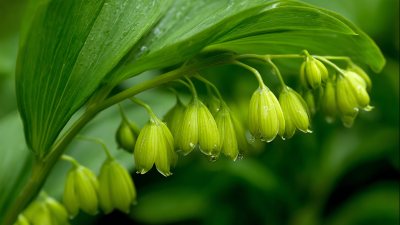
Polygonatum extract production in China begins with correctly identified rhizomes, often supplied by regional herb processors. Incoming material is checked for appearance, odor, and moisture before cleaning. Soil and damaged pieces are removed. The rhizomes are then sliced or crushed to help extraction proceed more evenly. Small details matter.
The prepared material is extracted using water or another specified solvent, depending on the intended product and buyer requirements. After filtration, the liquid may be concentrated and dried into powder. Temperature and extraction time are controlled, since excessive heat can affect the extract’s composition. The finished powder is screened and packed in moisture-resistant containers.
Reliable production also depends on verification, not just equipment. Manufacturers can test identity, moisture, microbial levels, and relevant contaminants, while keeping batch records for traceability. Specifications differ, so buyers should confirm the extraction ratio, solvent details, and test methods before ordering. The process is not perfectly uniform: raw rhizomes vary with growing conditions and storage. That variability deserves honest discussion, rather than a claim of identical results in every batch.
For global buyers, export-ready Polygonatum extract begins with clear identity and consistent production records. Ask suppliers to state the botanical species, plant part, extraction solvent, and extract ratio. These details help buyers compare samples fairly. The name on a label alone is not enough. Request traceable batch records and a certificate of analysis linked to the shipment.
Testing should match the product specification and intended market. A practical quality review may cover appearance, moisture, microbial limits, heavy metals, pesticide residues, and agreed marker compounds. Ask which methods were used and whether the laboratory can provide test reports. Review sampling dates and batch numbers, too. Results can vary between harvests. A polished certificate is useful, but it does not replace a clear specification or sensible supplier communication. No test is perfect.
Tips: Compare a pre-shipment sample with the delivered batch. Keep a sealed reference sample and record any changes in color, odor, or powder texture. Small differences may be harmless, but they deserve a question. Buyers should confirm destination-market requirements with qualified compliance staff before shipment.
Global buyers evaluating Chinese Polygonatum extract suppliers should begin with botanical identity, not price. Confirm the accepted Latin name, plant part, growing region, harvest period, and extraction ratio. WHO’s 2019 Global Report on Traditional and Complementary Medicine records 170 Member States reporting use of traditional and complementary medicine. This broad use makes reliable sourcing and quality checks essential.
Request a batch-specific certificate of analysis and confirm its test methods. Check identity, marker compounds or polysaccharide content, moisture, microbes, heavy metals, pesticides, and residual solvents. WHO’s Quality Control Methods for Herbal Materials outlines identity and purity testing approaches. Ask whether results come from an independent laboratory, and match the sample’s batch number to the production documents. A polished certificate can still leave gaps. Paperwork is not proof.
Review traceability records from raw herb to finished extract, plus storage and stability data. If a supplier claims audited production or certification, verify its scope and validity directly. A site visit can reveal practical details, such as segregated storage and clear batch labels. I would treat one excellent sample as provisional; later production lots may differ. Compare at least two batches before agreeing on specifications or placing repeat orders.
| Evaluation Dimension | Evidence to Request | How Buyers Can Assess It | Practical Decision Signal |
|---|---|---|---|
| Botanical identity | Latin binomial, plant part, origin information, and raw-material identification records. | Confirm the exact Polygonatum species and plant part in the product specification, purchase documents, and batch records. Do not rely on a common name alone. | Species and plant part are clearly stated and consistent across documents. |
| Product specification | Current specification listing extract form, appearance, solubility where relevant, moisture, and other agreed parameters. | Check that test methods, units, limits, and product description are defined and match the intended application and destination market. | The specification is complete, version-controlled, and aligned with the quotation and sample. |
| Extraction and composition | Extraction solvent, carrier or excipients, extract ratio if claimed, and analytical profile or marker test information. | Ask how each value is defined and measured. Confirm any marker or fingerprint method is suitable for the specific extract; do not assume one universal marker or extract ratio applies to every product. | Composition claims are technically explained and supported by appropriate test records. |
| Batch testing and traceability | A recent, lot-specific certificate of analysis (COA), batch number, sampling details, and traceability records. | Match the COA to the sample and proposed shipment. Review results, methods, dates, and responsible laboratory; request independent testing when risk or contract terms justify it. | The supplier can link the tested sample and shipment to the same identifiable production lot. |
| Contaminant controls | Relevant test results for heavy metals, microbiological quality, pesticide residues, and other risks defined by the product and destination market. | Set limits using applicable destination-market requirements and buyer specifications. Check that the methods and reporting limits are appropriate; requirements can vary by market and product category. | Results meet the agreed and applicable limits, with clear methods and units. |
| Quality system and facility | Quality-system certificates where applicable, audit information, facility details, and written procedures for deviations and complaints. | Verify certificate scope, issuer, validity, and facility coverage. For higher-risk or larger orders, consider a remote or on-site audit. | Documents are current and the supplier can explain how production and quality records are controlled. |
| Regulatory and claims support | Product and ingredient documents, country-of-origin information, and supporting records for any certification or marketing claim. | Check import, ingredient, labeling, and claims requirements in the intended market. Independently verify organic or other certification claims with the relevant issuing body. | Claims are documented and do not substitute for the buyer’s own regulatory review. |
| Sample and change control | A representative sample, sample identification, retention-sample policy, and procedure for notifying buyers of changes. | Compare the sample with the written specification and agree how changes to raw material, process, site, or specification will be communicated and approved. | The supplier can provide a traceable sample and has a documented change-notification process. |
| Packaging and shipment | Packaging material details, storage recommendations, shelf-life basis, shipping terms, and export-document list. | Confirm packaging suitability for the product and route. Agree Incoterms, documentation responsibilities, and shipment conditions in writing. | Commercial and shipping responsibilities are clear before the purchase order is issued. |
| Commercial reliability | Written quotation, MOQ, production lead time, payment terms, capacity information, and references where available. | Compare like-for-like product specifications and delivery terms. Confirm quoted details, payment milestones, and remedies for non-conforming goods in the contract. | The quotation is transparent and consistent with the agreed specification and supply plan. |
For global buyers sourcing Polygonatum extract from China, supplier evaluation should begin with traceability, not a low quotation. Ask for the botanical species, plant part, extraction solvent, extract ratio, and batch-specific certificate of analysis. Check that the declared specifications match the intended use and destination market. Request manufacturing details, country-of-origin records, and a safety data sheet where applicable. A polished PDF is not proof; compare its lot number with the product label and shipping documents. Small checks matter.
Documentation should be agreed before production. Import rules differ by country and product classification, so confirm required records with your customs broker and relevant authorities. Depending on the destination, buyers may need additional identity, contaminant, or plant-health documentation. Make requirements explicit in the purchase order. One detail is often missed: confirm who arranges testing and what happens if a batch fails the agreed specification.
Shipping deserves equal attention. UNCTAD’s Review of Maritime Transport 2024 reported that maritime trade grew 2.4% in 2023 and highlighted disruption risks on key routes. Build realistic lead times into contracts, and ask suppliers how they protect sealed extract against moisture, heat, and handling damage. Confirm packaging, pallet dimensions, shipping marks, and Incoterms before booking. A small sample shipment can reveal practical issues, though it cannot guarantee every bulk shipment will arrive unchanged.
Checklist items by sourcing and shipping workstream
The bars count the example checks listed for each workstream; they are not supplier ratings or market statistics. Confirm product specifications, export paperwork, and destination-country import requirements with your supplier and relevant authorities. Permits and phytosanitary documents may depend on the product and destination.