2026 Best Bovine Collagen Powder Suppliers for Bulk Buyers
Bulk buyers are looking beyond price when sourcing Bovine Collagen Powder. They need consistent specifications, dependable supply, and documentation that supports quality checks. Industry forecasts suggest the category is receiving sustained commercial attention. Grand View Research’s Collagen Market Size, Share & Trends Analysis Report estimated the global collagen market at USD 9.1 billion in 2022, with projected growth of 9.8% annually from 2023 to 2030. MarketsandMarkets has also published a separate collagen-market forecast, using a different market scope and methodology. Numbers need context. These estimates cover collagen broadly, not bovine powder alone, and should not be treated as a guarantee of demand or supplier performance.
For procurement teams, the practical questions are more specific. Is the collagen sourced from clearly identified bovine materials? Can the supplier provide current specifications, batch-level certificates of analysis, and evidence of routine testing? Are particle size, solubility, odor, packaging, and lead times suitable for the intended product and production line? A polished brochure cannot answer every question. Request samples and compare them under realistic processing conditions. Details matter.
This guide to the 2026 Best Bovine Collagen Powder Suppliers for Bulk Buyers focuses on those checks alongside price, capacity, and communication. Supplier claims should be verified against dated documents and actual product samples. Market reports help explain the wider opportunity, but they do not rank vendors. That distinction is easy to miss. The strongest sourcing decision usually comes from matching verified supplier capabilities to your own volume, quality requirements, and delivery schedule.
What Bovine Collagen Powder Is and How It Is Produced
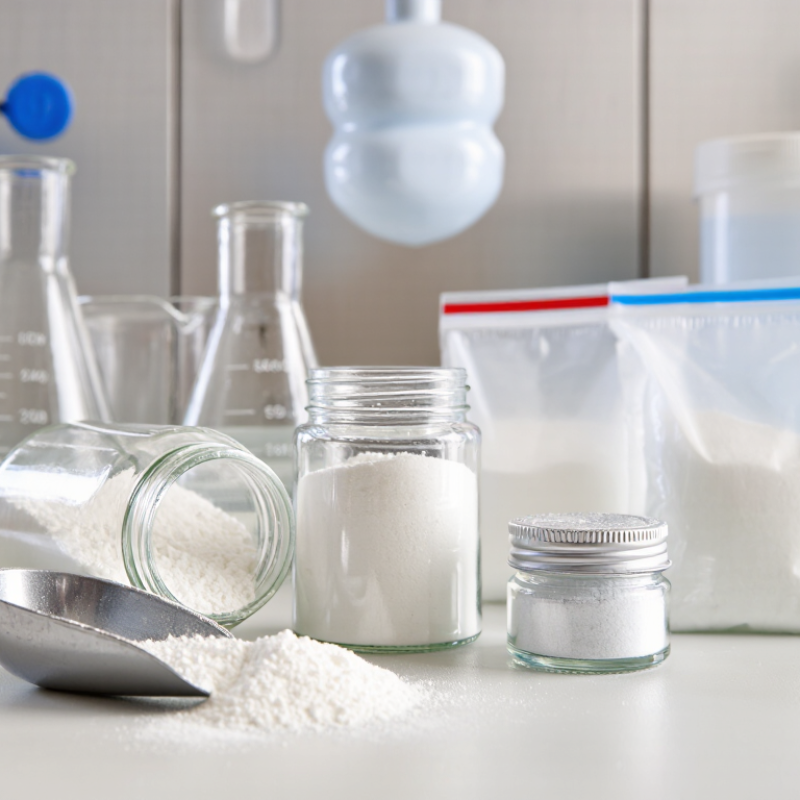
Bovine collagen powder is made from collagen-rich materials, commonly cattle hides or bones. These materials are cleaned and prepared before processing. The source tissue matters because its condition can affect the consistency of the finished ingredient. The source matters. A powder’s label alone may not reveal how carefully raw materials were handled.
During production, collagen is extracted using controlled heat, water, or other processing methods. It is then filtered and often broken into smaller peptides through hydrolysis. This step helps the powder dissolve more readily in liquids, though solubility can vary. The resulting material is concentrated, dried into a powder, and checked for qualities such as moisture, protein content, and microbial safety. Small details count. Processing conditions can influence color, odor, and how the powder behaves in a drink.
For bulk buyers, useful questions include which bovine tissues are used, how batches are traced, and what testing documents are available. Ask whether specifications apply to every batch, not just a sample. Production methods differ, so two powders may not perform alike in the same formulation. That is not always obvious. Testing in the intended application can reveal practical issues, such as clumping or a lingering taste. Supplier descriptions are helpful, but clear specifications and verifiable quality records provide firmer ground for purchasing decisions.
Which Quality Standards Matter for Bulk Buyers
For bulk bovine collagen, quality starts with knowing exactly what is in the sack. Request traceability records that identify the animal species, source country, and processing site. A lot-specific certificate of analysis should report protein, moisture, microbiological results, and relevant contaminant tests. Ask which methods were used; a number without a method is hard to compare. Independent testing can help, especially when the laboratory’s accreditation covers the tests requested. Short, clear answers matter.
Paperwork is not the product. Check that any food-safety certification is current and covers the actual manufacturing site and process. Review results for pathogens, heavy metals, and other risks relevant to the source and intended use. Identity checks, such as amino-acid profiling or hydroxyproline analysis, may add confidence, but no single test proves everything. Compare several production lots for color, odor, solubility, and measured protein. Small differences can appear. Ask suppliers how they investigate out-of-range results, retain samples, and manage process changes. I would not rely on a polished sample alone; bulk consistency is where weak controls tend to show.
What Types of Bovine Collagen Suppliers Serve the Market
2026 Best Bovine Collagen Powder Suppliers for Bulk Buyers
What Types of Bovine Collagen Suppliers Serve the Market
Bulk buyers typically encounter three supplier types: ingredient manufacturers, specialist distributors, and contract packers. Manufacturers produce collagen powder and may provide product specifications, testing documents, and production details directly. Ask about source materials, batch consistency, and how quality checks are recorded. A clean specification sheet matters. Still, paperwork cannot replace a clear answer about actual production controls.
Distributors purchase from multiple manufacturers and resell ingredients. They may offer smaller order quantities, local warehousing, or access to several grades. This can help buyers compare options, but the original producer should remain traceable. Contract packers handle filling and packaging, sometimes sourcing the powder themselves. Confirm who controls ingredient selection, testing, and storage. Responsibilities can blur. That is worth checking before placing a large order.
Tips: Request a recent certificate of analysis and match its lot number to a sample. Ask about lead times, minimum order quantities, and storage conditions. Compare the same details across suppliers, not just the price per kilogram. If answers feel vague, pause. Even experienced buyers can overlook small differences in testing scope or batch documentation.
How to Compare Bovine Collagen Suppliers in 2026
For bulk buyers comparing bovine collagen powder suppliers in 2026, start with evidence, not polished sales claims. Ask for a recent certificate of analysis tied to a specific production batch. Check protein content, moisture, microbiological results, and contaminant testing. Confirm the test methods and whether an independent laboratory performed the work. Small details matter. A specification sheet without batch-level records offers limited assurance.
Compare more than price per kilogram. Request samples and test how the powder disperses in cold water, smells, and behaves in your intended formulation. Review the source documentation, processing controls, packaging options, minimum order quantity, and realistic lead times. Ask how the supplier handles out-of-specification batches and changes to raw material sources. One comparison can still miss something: a sample may perform well while later batches vary. Build repeat testing into your purchasing plan.
Tips: Keep a simple comparison sheet with batch results, sample notes, delivery estimates, and unanswered questions. Ask for written confirmation of key specifications before placing a large order. Treat unusually low pricing as a prompt to investigate, not proof of poor quality. If a supplier cannot explain its records clearly, pause and verify before committing.
How to Vet Suppliers and Plan a Bulk Purchase
For bulk buyers, supplier vetting begins with clear product specifications. Confirm the bovine source, country of origin, collagen type, processing method, and intended grade. Ask for a recent certificate of analysis tied to a specific lot, not a generic sample. Check which laboratory performed each test and whether the methods match your purchasing requirements. Verify protein content, moisture, microbiological results, and relevant contaminant limits. Paperwork matters.
Request a pre-shipment sample and compare its color, odor, solubility, and taste with your requirements. Then test it independently if the purchase volume justifies the cost. Ask how the supplier tracks lots from raw material through packing. Review facility audit records and procedures for handling deviations. A polished document is reassuring, but it cannot answer every question. Follow up when details seem vague.
Plan the order around realistic use, not an optimistic forecast. Confirm minimum order quantities, lead times, packaging size, pallet configuration, storage conditions, and shipping responsibilities in writing. Calculate how much product your team can safely store before placing a large order. Agree on approval steps for production changes and replacement procedures for out-of-specification lots. Prices can shift; so can schedules. Keep a modest buffer, but avoid tying up cash in powder you may not use soon. A small trial order may delay savings, yet it can expose practical issues before they reach a full shipment.