Hydrolyzed Bovine Collagen Peptides are used in supplements, functional foods, and personal-care formulations. For buyers, the challenge is not simply finding a Chinese supplier. It is verifying consistent specifications, traceable bovine raw materials, and dependable quality documentation. The market is growing. Grand View Research’s Collagen Market Size, Share & Trends Analysis Report estimated the global collagen market at USD 9.1 billion in 2022 and forecast a 9.6% compound annual growth rate from 2023 to 2030. That estimate covers collagen broadly, not bovine peptides alone. It offers useful context, but it should not be mistaken for a product-specific forecast.
This guide examines ten Chinese suppliers through practical purchasing criteria, including stated production capabilities, peptide specifications, quality systems, and export experience. Request recent certificates of analysis and check the reported protein content, moisture, microbiological results, and heavy-metal limits against your own requirements. Ask how the supplier controls raw-material origin and batch consistency. Details matter. A polished product sheet is not proof of stable performance. Buyers should also confirm whether certificates and claims apply to the exact grade being quoted. Some public supplier information may be incomplete or difficult to compare; that is a real limitation, not a reason to assume equivalence. Careful verification can help narrow the field before samples, audits, or commercial negotiations begin.
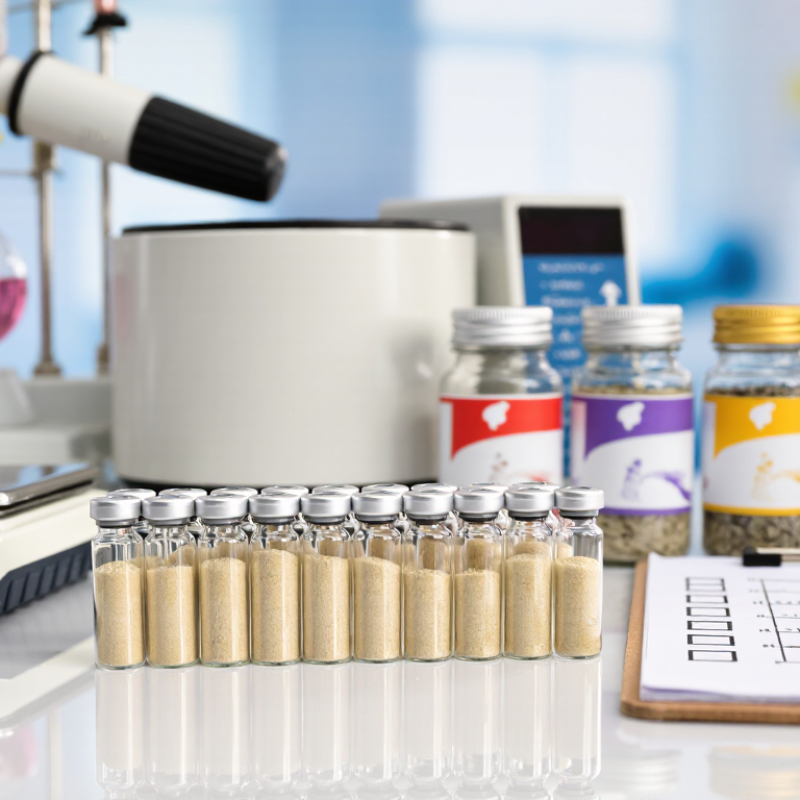
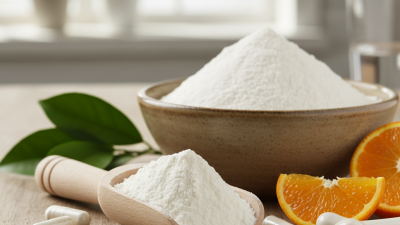
Hydrolyzed bovine collagen peptides are collagen proteins broken into smaller pieces through enzymatic processing. The resulting powder often dissolves more easily than gelatin. That is useful. It can be stirred into water, coffee, soup, or a fruit smoothie, though taste and solubility vary between products. Bovine collagen commonly supplies Type I and Type III collagen peptides, which are associated with connective tissues, skin, and bone. It is not a treatment for disease, and results from supplementation can differ from person to person.
Food makers use these peptides in drink mixes, nutrition powders, and some snack products. Consumers may choose them for convenience, but collagen is not a complete protein and should not automatically replace varied protein sources. Product specifications matter: source traceability, peptide characteristics, manufacturing controls, and independent testing for contaminants all help buyers assess quality. A clear label is useful, but it cannot tell the whole story.
Texture can be misleading. A powder that mixes smoothly is not necessarily better made. I would look for transparent testing and realistic claims, not dramatic promises. People with beef allergies or specific dietary needs should check the ingredient details and seek qualified advice when uncertain. The evidence is still developing, so expectations deserve a little caution.

China Top 10 Hydrolyzed Bovine Collagen Peptides Suppliers
How China’s Collagen Peptide Suppliers Are Evaluated
Evaluating a collagen peptide supplier takes more than comparing prices or reading a product sheet. Buyers should check traceability from bovine raw material to finished powder, along with manufacturing controls and batch consistency. Request recent, batch-specific certificates of analysis, not just a sample report. Review protein content, peptide-size distribution, moisture, microbiological results, and heavy-metal testing. Ask which methods and laboratories produced the results.
Look beyond certificates. A site audit or detailed virtual review can clarify sanitation routines, equipment controls, and how deviations are handled. Ask about production capacity, lead times, packaging protection, and how complaints are investigated. One clean sample cannot prove steady production. Documentation can look complete while leaving practical questions unanswered, so compare records with a retained sample where possible.
Tips: Request a specification sheet, recent batch records, and test-method details. Check that product names, batch numbers, and results match across documents. Keep notes on response times and unanswered questions; communication is part of supplier evaluation, too.
China’s hydrolyzed bovine collagen suppliers differ in sourcing, processing, and quality documentation. These ten profiles are capability-based, not verified company rankings. Buyers should confirm each supplier’s current specifications, production site, and audit records directly.
Supplier 1 focuses on traceable bovine inputs and origin records. Supplier 2 emphasizes enzymatic hydrolysis and consistent peptide-size data. Supplier 3 offers several molecular-weight options for formulation trials. Supplier 4 highlights low-odor processing, useful in powders and beverages. Supplier 5 supports bulk orders, but buyers should check lead times and batch variation.
Supplier 6 provides detailed test reports for protein content, moisture, and microbiological indicators. Supplier 7 accommodates customized particle sizes. Supplier 8 serves smaller trial orders, though its capacity needs confirmation. Supplier 9 stresses export documentation and shipment coordination. Supplier 10 combines technical support with application samples. Ask for recent batch documents. Compare methods, not slogans. A polished brochure is not proof of stable quality; request representative samples and review results against your own requirements.
Supplier identities are omitted, and no supplier-specific claims or ranking are asserted. The entries below are comparison profile slots; product specifications, certifications, production location, and commercial terms must be confirmed using current supplier documentation.
| Profile | Product Specification | Source and Traceability | Quality Documentation | Manufacturing and Compliance | Commercial Details |
|---|---|---|---|---|---|
| Supplier Profile 01 | Hydrolyzed bovine collagen peptides; molecular-weight range and protein content not independently verified. | Animal tissue source, country of origin, and traceability records require confirmation. | Request current specification sheet, certificate of analysis, and microbiological results. | Facility location, food-safety certifications, and audit status require verification. | MOQ, lead time, packaging, and quotation require direct confirmation. |
| Supplier Profile 02 | Hydrolyzed bovine collagen peptides; solubility, sensory profile, and grade not independently verified. | Confirm bovine source, country of origin, and batch-level traceability. | Request batch-specific COA, heavy-metal results, and allergen statement. | Confirm manufacturing site and applicable quality-management certifications. | Pricing, available pack sizes, MOQ, and sample policy require confirmation. |
| Supplier Profile 03 | Hydrolyzed bovine collagen peptides; peptide profile and intended application require confirmation. | Confirm raw-material origin and documentation supporting traceability. | Request product specification, COA, and shelf-life or stability information. | Verify facility credentials and relevant food or ingredient regulations for the destination market. | Export capability, lead time, and shipping terms require direct confirmation. |
| Supplier Profile 04 | Hydrolyzed bovine collagen peptides; molecular-weight distribution and protein assay method require confirmation. | Confirm source material, origin, and any applicable animal-health documentation. | Request analytical methods, batch COA, and contaminant test results. | Verify manufacturing controls, audit availability, and current certificates. | MOQ, annual capacity, packaging options, and price require confirmation. |
| Supplier Profile 05 | Hydrolyzed bovine collagen peptides; powder characteristics and product grade not independently verified. | Request origin statement and documentation linking the raw material to finished batches. | Request COA, microbiological limits, and storage and handling guidance. | Confirm manufacturing location and food-safety management practices. | Sample availability, production lead time, and commercial terms require confirmation. |
| Supplier Profile 06 | Hydrolyzed bovine collagen peptides; solubility conditions and application suitability require testing and confirmation. | Confirm bovine source and supply-chain traceability documents. | Request current specifications, batch test results, and change-control information. | Verify certifications directly with the issuing bodies where applicable. | Packaging format, MOQ, and destination-specific shipping terms require confirmation. |
| Supplier Profile 07 | Hydrolyzed bovine collagen peptides; protein content, moisture, and ash values require supplier data. | Confirm animal source, country of origin, and raw-material control procedures. | Request COA and testing for relevant microbiological and chemical parameters. | Confirm site audit status and compliance documents required for the intended use. | Price, production schedule, and order-volume tiers require direct confirmation. |
| Supplier Profile 08 | Hydrolyzed bovine collagen peptides; available grades and technical limits are not independently verified. | Request origin, traceability, and applicable animal-derived ingredient declarations. | Request technical data sheet, batch COA, and shelf-life evidence. | Verify manufacturing site, quality systems, and certificate validity. | Export documentation, MOQ, and lead time require confirmation. |
| Supplier Profile 09 | Hydrolyzed bovine collagen peptides; molecular-weight range and functional performance require confirmation. | Confirm source material and supporting chain-of-custody records. | Request analytical specifications, contaminant testing, and batch-release criteria. | Confirm facility details and compliance with destination-market requirements. | Samples, packaging, pricing, and payment terms require direct confirmation. |
| Supplier Profile 10 | Hydrolyzed bovine collagen peptides; grade, composition, and application fit require independent review. | Confirm bovine origin, raw-material sourcing, and traceability at batch level. | Request current COA, full specification sheet, and relevant safety declarations. | Verify production-site credentials, audit availability, and certification scope. | MOQ, capacity, lead time, and delivery terms require confirmation. |
China Top 10 Hydrolyzed Bovine Collagen Peptides Suppliers
Comparing Supplier Products, Quality Standards, and Certifications
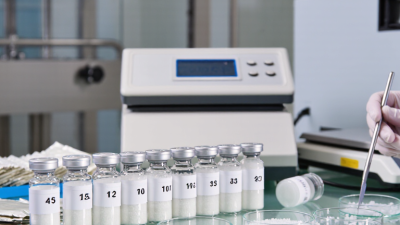
Comparing Chinese suppliers means checking evidence, not brochures. Request a lot-specific certificate of analysis showing protein, moisture, ash, microbial counts, and heavy metals. For hydrolyzed peptides, size-exclusion chromatography can show whether the reported molecular-weight profile matches the batch. Ask for test methods, detection limits, and independent laboratory details. Small differences matter.
The FAO’s 2013 report, Dietary Protein Quality Evaluation in Human Nutrition, recommends DIAAS, a measure based on digestible indispensable amino acids. It treats scores of 100 or above as indicating no limiting indispensable amino acid against the reference pattern. Collagen is naturally low in some essential amino acids, so protein percentage alone does not establish nutritional quality. Compare amino-acid profiles and source traceability alongside solubility, odor, and consistency across batches. A sample that dissolves clearly in warm water is useful, but it cannot replace lab results.
Certifications also need careful reading. ISO 22000:2018 and FSSC 22000 cover food-safety management systems; they do not certify every batch’s composition. Verify each certificate’s scope, facility address, expiry date, and issuing body. Check records for bovine species and country of origin. One caveat: tidy paperwork cannot rule out batch variation. No shortcut. Request recent test results from several production lots, not just one polished sample.
Typical bovine collagen amino-acid residue profile (%) provides a product-level reference for reviewing supplier specifications. Values are approximate and are not supplier-specific test results.
When comparing suppliers, verify each product’s certificate of analysis and testing method; amino-acid composition alone does not establish quality, certification, or regulatory compliance.
China Top 10 Hydrolyzed Bovine Collagen Peptides Suppliers
Choosing a Chinese collagen peptide supplier takes more than comparing prices or reading a supplier ranking. Start with the product specification: protein content, peptide-size distribution, moisture, solubility, and microbiological limits. Ask for recent batch-specific certificates of analysis, not only a general sample report. Check that the testing laboratory and methods are clearly identified. Ask for evidence. Details matter.
Tips: Request a sample from the same production line used for commercial orders. Test its odor, color, dissolution time, and performance in your intended formula. Confirm the bovine source, country of origin, traceability records, and controls for cross-contamination. Put specification limits, packaging, shelf life, and change-notification expectations in writing.
Assess process transparency and communication, too. A reliable supplier should explain how raw materials are received, hydrolyzed, dried, and checked before release. Ask how it handles out-of-specification batches and production delays. Review facility audit records where available, and verify that documents match the product you plan to buy. No checklist removes every uncertainty; a polished document can still leave gaps. Compare answers with samples and records, and allow time for an independent quality review.