Leave Your Message

2026 Best Hydrolyzed Bovine Collagen Peptides Manufacturers

The 2026 market for Hydrolyzed Bovine Collagen Peptides is becoming more demanding. Buyers want consistent quality, clear sourcing, and evidence beyond attractive packaging. The best manufacturers should show where their cattle are raised, how collagen is extracted, and how enzymatic hydrolysis is controlled. Batch records matter. So do independent test results.

Dr. Keith Baar, a recognized researcher in collagen and connective-tissue science, has stated, “Collagen is the most abundant protein in the human body.” This simple point explains why manufacturing discipline matters. A reliable supplier should provide molecular-weight data, amino-acid profiles, microbiological results, and contaminant testing. Certificates of analysis should match the actual batch, not only a marketing sample. Traceability from raw hide to finished powder also supports responsible purchasing.

This guide examines manufacturers through practical criteria. These include production capacity, quality systems, customization, documentation, and delivery performance. Facilities with HACCP, GMP, ISO, or suitable third-party certifications may offer stronger controls. Certification alone is not proof of excellence. That deserves attention.

Some manufacturers communicate technical details poorly. Others publish impressive claims without enough verification. That weakness can mislead buyers. A better review compares evidence, not promises. Product performance may also vary with peptide size, flavoring, solubility, packaging, and storage conditions. No supplier is perfect. Even strong companies may have limited regional coverage or inconsistent communication. Therefore, the “best” manufacturer depends on the buyer’s intended application, compliance needs, budget, and expected volume. This overview offers a careful starting point for evaluating Hydrolyzed Bovine Collagen Peptides suppliers in 2026.
2026 Best Hydrolyzed Bovine Collagen Peptides Manufacturers

Hydrolyzed Bovine Collagen Peptides: Definition and Key Applications

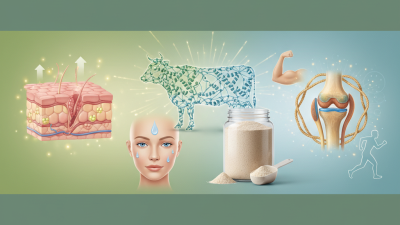
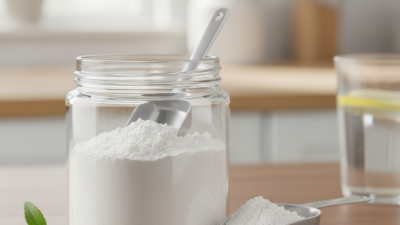
Hydrolyzed bovine collagen peptides are collagen proteins broken into smaller peptide chains through enzymatic hydrolysis. These peptides usually come from carefully processed bovine hides or bones. Their smaller size improves dispersibility in water and supports easier incorporation into powders, drinks, bars, capsules, and functional foods. Bovine collagen is commonly associated with Type I collagen, although composition depends on the raw material and processing method. Molecular weight distribution matters. It can influence texture, solubility, and formulation performance.

Applications extend beyond dietary products. Beverage developers use collagen peptides in clear protein drinks and powdered mixes. Food manufacturers add them to nutrition bars, soups, and soft foods. Cosmetic formulators may use collagen-derived ingredients in creams or masks, mainly for skin-conditioning purposes. However, collagen peptides are not magic. Their performance depends on dosage, regular use, product quality, and the user’s overall nutrition. Evidence should be reviewed carefully, not copied from attractive packaging.

Tips: Check the certificate of analysis, source traceability, microbiological results, heavy-metal testing, and peptide-size data. Confirm solubility at the intended temperature and pH. A clean label alone proves little. In practical formulation work, small changes in flavor, moisture, or mixing speed can create unexpected clumping. I would test pilot batches before making broad production claims. Manufacturers should also document allergen controls, storage conditions, and quality consistency between lots.
How to Evaluate Hydrolyzed Bovine Collagen Peptide Manufacturers

When evaluating hydrolyzed bovine collagen peptide manufacturers, inspect evidence rather than polished brochures. Ask for complete traceability, from cattle sourcing to final packaging. Reliable suppliers should provide batch-specific certificates of analysis, microbiological results, heavy metal testing, and allergen information. Their documents should match the actual product lot.

Technical quality matters. Review the hydrolysis process, average molecular weight, peptide profile, solubility, odor, and moisture content. A capable manufacturer can explain testing methods without hiding behind vague terms. Request samples from different production batches. Compare color, dispersibility, and analytical results. One sample can look excellent by chance.

Tips: Visit the facility if possible. Check cleaning records, calibration logs, and storage conditions. Ask how deviations are investigated. Ask for references from long-term customers, but verify them independently. A manufacturer with practical experience should discuss problems openly, including delayed testing or inconsistent raw materials. No audit is perfect. I once considered a supplier too quickly because its paperwork looked complete; later, the supporting test method lacked useful detail. That mistake reinforced the value of technical questions and repeated batch checks. Also examine communication speed, change-control procedures, packaging protection, and export documentation. The best choice is not always the largest factory. It is the manufacturer that can repeatedly prove control, respond clearly, and improve when evidence exposes a weakness.

Manufacturing Standards, Quality Control, and Product Certifications

Selecting a hydrolyzed bovine collagen peptide manufacturer requires more than comparing protein percentages. Reliable production begins with documented raw-material controls. Suppliers should verify bovine species, country of origin, veterinary status, and batch identity. Each lot needs traceability from hides or bones to the finished powder. That record matters when a customer asks a difficult question. Clear answers build trust. Still, paperwork can hide gaps.

Quality control should cover hydrolysis, moisture, microbiological safety, heavy metals, and prohibited residues. Testing should follow validated methods in qualified laboratories. A complete certificate of analysis should show specifications, actual results, methods, and release approval. Manufacturers should also assess solubility, odor, particle size, and peptide distribution. These details affect mixing performance and consumer experience. Small variations matter. However, no test plan is perfect. Sampling may miss an isolated problem, especially when batches are large.

Certifications add structure, but buyers should inspect their scope and expiration dates. ISO 9001 supports quality management, while HACCP and GMP address process risks and hygiene controls. Food safety schemes may strengthen oversight when their audits match the facility’s actual operations. Independent laboratory results can provide useful evidence, but they should not replace an on-site audit. Ask for audit findings, corrective actions, allergen controls, and change-notification procedures. A manufacturer may hold several certificates yet communicate poorly. That is a warning. Practical reliability appears in consistent records, responsive technical staff, and honest disclosure of limitations.

2026 Best Hydrolyzed Bovine Collagen Peptides Manufacturers

Publication years of major manufacturing, food-safety, and audit frameworks commonly referenced in supplier qualification

The chart shows the latest publication or scheme-version year for selected international frameworks. It does not indicate certification prevalence, product superiority, or compliance by any specific manufacturer. References: Codex Alimentarius CXC 1-1969, Revised 2022; ISO 9001:2015; ISO 19011:2018; ISO 22000:2018; FSSC 22000 Version 6, 2023.

Top Manufacturer Profiles and Their Supply Capabilities in 2026

2026 Best Hydrolyzed Bovine Collagen Peptides Manufacturers

Top Manufacturer Profiles and Their Supply Capabilities in 2026

Reliable manufacturers in 2026 will be judged beyond attractive protein percentages. Their profiles should show hydrolysis controls, traceable bovine sources, and consistent molecular weight ranges. Buyers should request recent certificates for identity, microbiological safety, heavy metals, and residual processing chemicals. Clear documents matter.

Experienced producers usually operate several production lines. This supports stable supply during seasonal demand changes. Strong facilities can provide laboratory samples, pilot batches, and full commercial volumes. They may also adjust particle size, solubility, flavor, or packaging formats for different applications. Standard lead times often depend on testing schedules, order size, and export documentation.

Manufacturing depth is visible in small details. Ask whether each batch receives independent quality review before release. Check how retained samples are stored and how complaints are investigated. A dependable supplier should explain its backup plans for raw material shortages, equipment maintenance, and shipping delays. Capacity claims need evidence.

Not every large factory fits every buyer. Some offer impressive output but limited customization. Others respond quickly but cannot support long-term volume contracts. I would compare at least three profiles using the same checklist. That process can expose weak traceability, unclear specifications, or optimistic delivery promises. Perfection is unlikely. Consistency is the practical target.

2026 Best Hydrolyzed Bovine Collagen Peptides Manufacturers - Top Manufacturer Profiles and Their Supply Capabilities in 2026

Profile Typical Raw-Material Source Hydrolysis Technology Typical Molecular-Weight Range Common Product Forms Typical Protein Content Common Quality Documentation Typical Supply Capability Best-Fit Applications
Profile A
Large-scale food-grade supplier
Bovine hides and skins sourced from inspected cattle-processing chains Enzymatic hydrolysis following gelatin extraction and purification Approximately 2,000–5,000 Da Fine powder; bulk-lined bags; customized blending Usually 90% or higher on a dry basis Certificate of analysis, microbiological report, heavy-metal results, allergen statement, traceability records Regular container-scale supply; contract manufacturing and private-label packing may be available Functional foods, beverages, nutrition powders, and food supplements
Profile B
Specialty low-molecular-weight supplier
Traceable bovine hides or split hides suitable for collagen extraction Controlled enzymatic hydrolysis with membrane filtration Approximately 500–2,000 Da Instantized powder; agglomerated powder; customized particle size Usually 90% or higher on a dry basis Molecular-weight distribution, amino-acid profile, residual-solvent statement, microbiological testing, batch traceability Medium-to-large recurring orders; specification-based production typically available Ready-to-mix drinks, clinical nutrition concepts, capsules, tablets, and premium powders
Profile C
Certified supplement-grade supplier
Bovine hides obtained through documented, non-endangered livestock supply chains Food-grade enzymatic hydrolysis with drying and particle-size control Approximately 2,000–5,000 Da Neutral-taste powder; sachet-ready powder; bulk supplement ingredient Commonly 90–95% protein, depending on moisture and ash specifications GMP or equivalent quality records, HACCP-based controls, certificate of analysis, contaminant screening, country-of-origin statement Flexible order quantities; sampling and pilot-scale support commonly offered Dietary supplements, sports nutrition, beauty-from-within products, and powdered drink mixes
Profile D
Clean-label formulation supplier
Bovine hide collagen with documented processing and ingredient traceability Enzymatic hydrolysis with deodorization, clarification, and spray drying Approximately 2,000–4,000 Da Low-odor powder; neutral-flavor powder; instant-dispersing powder Typically 90% or higher on a dry basis Allergen declaration, non-GMO statement where applicable, vegan-status exclusion statement, microbiological and contaminant reports Small commercial batches through full-scale production; custom flavor or blend support may be available Clear beverages, gummies, nutrition bars, powdered sachets, and clean-label formulations
Profile E
Export-oriented bulk supplier
Bovine hides and skins from established slaughterhouse and rendering networks Standard enzymatic hydrolysis with filtration, concentration, and spray drying Approximately 2,000–5,000 Da Bulk powder in moisture-resistant packaging; palletized export shipments Usually 90% or higher on a dry basis Certificate of analysis, specification sheet, safety data sheet, origin documentation, export and customs documents Container-load shipments; recurring annual supply agreements; standard grades generally have shorter lead times Ingredient distribution, private-label supplements, functional food manufacturing, and international resale

Note: The ranges and capabilities shown are representative industry specifications for hydrolyzed bovine collagen peptide supply in 2026. Actual values, certifications, minimum order quantities, lead times, and regulatory documentation should be confirmed directly against each supplier’s current technical datasheet and certificate of analysis.

How to Choose the Right Collagen Peptide Manufacturing Partner

2026 Best Hydrolyzed Bovine Collagen Peptides Manufacturers

How to Choose the Right Collagen Peptide Manufacturing Partner

Choosing a collagen peptide partner requires more than comparing prices. Ask where the bovine hides originate, how suppliers verify traceability, and whether each batch has complete records. A dependable manufacturer should explain its enzymatic hydrolysis process clearly. It should also provide molecular weight distribution, amino acid profiles, microbiological results, heavy metal testing, and allergen statements. These details help confirm consistency before your product reaches consumers.

Visit the facility if possible. Observe cleaning controls, material flow, storage temperatures, and laboratory practices. Request pilot samples made under conditions similar to commercial production. Check solubility in cold water, odor, color, and performance in your intended formula. A polished sample is not enough. I have found that communication during small trials often reveals more than a sales presentation. Slow replies may become serious delays later. Certifications can support trust, but they do not replace an audit or technical discussion.

Tips: Confirm minimum order quantities, lead times, packaging options, and change-control procedures in writing. Ask how the manufacturer handles deviations and customer complaints. Review recent certificates, not only old promotional files. Also, challenge vague claims about absorption or health effects; responsible partners separate test results from marketing language. No process is perfect, and a supplier that admits a limitation may be more reliable than one promising flawless performance. Keep a clear specification sheet, retain samples, and document every approval before scaling production.