Choosing among the 2026 Sodium Copper Chlorophyllin Powder suppliers takes more than comparing price per kilogram. Buyers need clear specifications, consistent color strength, and documents tied to the actual production lot. Start with the basics: chemical identity, assay method, copper content, solubility, and intended application. Then examine the certificate of analysis, contaminant limits, microbiological results, packaging, and shelf-life data. Paperwork matters.
Toxicologist George S. Bailey’s published chlorophyllin research offers relevant scientific context, but it does not endorse suppliers. A concise, non-verbatim takeaway from that work is: “Verify the material before trusting the claim.” That distinction matters. A polished product page is not a substitute for traceable batch records or responsive technical support. Ask how the supplier handles specification changes, sample approval, and out-of-range results. For a small bench test, check whether the powder disperses evenly and whether its shade stays consistent across samples. A useful supplier should explain variation plainly, not hide it behind marketing language. This guide will compare supplier transparency, quality controls, documentation, and service, while noting where public evidence is thin. Some details may remain difficult to verify. That is worth saying aloud. Use the shortlist as a starting point, then confirm current specifications and suitability for your own application before placing an order.
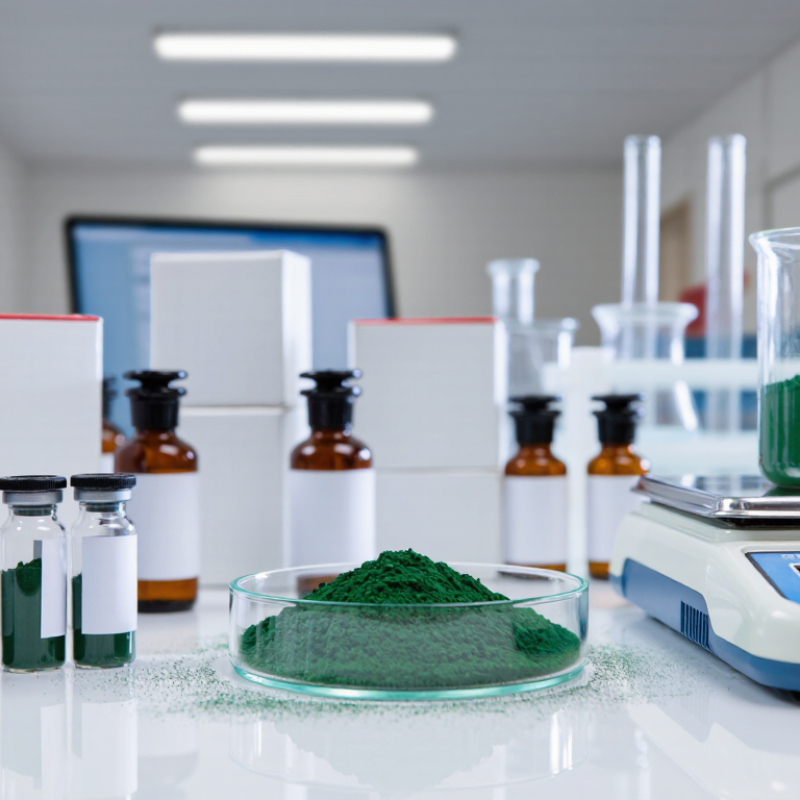
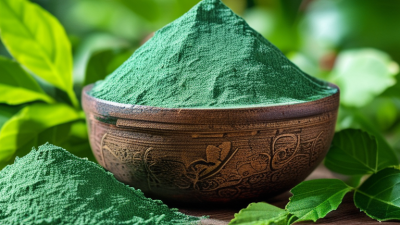
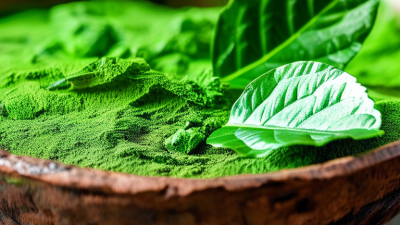
Sodium copper chlorophyllin powder is a water-soluble green pigment made from chlorophyll-rich plant material. During processing, magnesium in the chlorophyll is replaced with copper, and sodium salts help the pigment disperse in water. It is generally more stable in aqueous mixtures than ordinary chlorophyll. It is not simply dried leaf powder. Its shade can range from olive green to deep green, depending on concentration and processing conditions. Small details matter.
Food, beverage, and personal-care formulators may use it as a coloring ingredient where permitted. In a clear glass, a well-dispersed sample should look even, not speckled or gritty. Still, color can shift with pH, light, and other ingredients. Product specifications may include pigment content, moisture, solubility, and heavy-metal limits. Batch records and testing help verify consistency. Ask for those records. Powder from different suppliers can vary in color strength or odor, so testing a sample is more useful than relying on a product description alone. “Natural” does not mean identical between batches; the term can be misleading without a clear specification. Suitability depends on the intended use and applicable local requirements.

For 2026 sourcing, suppliers generally fall into three groups: ingredient manufacturers, regional distributors, and custom processors. Manufacturers may offer bulk powder and batch-specific testing; distributors often provide smaller quantities and local logistics. Custom processors can adjust particle size or carrier systems, but each change should appear on the specification sheet. Supplier category alone does not establish product quality.
Grades are best compared by intended use and measurable specifications, not by labels such as “premium.” Food-use material, for example, should have documented identity, assay, copper content, solubility, and contaminant limits. Cosmetic-use grades may add requirements for color consistency and microbial quality. “Pharmaceutical grade” needs careful checking; it is not a universal grade designation for this ingredient.
The FAO/WHO Joint Expert Committee on Food Additives (JECFA) reports a group acceptable daily intake of 0–15 mg/kg body weight for copper complexes of chlorophyllins. This is an evaluation benchmark, not a supplier’s purity claim.
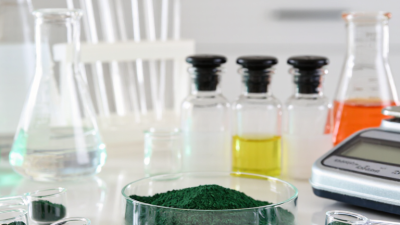
Ask for a current certificate of analysis, test methods, and traceable batch numbers. Compare results for heavy metals and microbiological limits against the rules for the destination market. Request a sample and check its shade in water: the powder should disperse consistently, without obvious gritty sediment. One gap remains: supplier documents do not always explain how color strength was measured. That detail matters.
For a 2026 supplier review, ask for a lot-specific certificate of analysis, not a generic specification sheet. It should identify sodium copper chlorophyllin and report assay results, moisture, and relevant impurity limits. Confirm that test methods are named and suitable for the material. Numbers without methods are hard to assess.
Safety checks should cover heavy metals, microbiological quality, and any process-related residues relevant to the manufacturing route. Request the sampling date, laboratory details, and results for the actual production lot. A tidy certificate is not proof by itself. Compare it with an independent test when risk or use warrants one. Small gaps matter.
Review the supplier’s quality system, change-control process, batch traceability, and storage guidance. Ask how the powder is protected from moisture and light; inspect packaging seals and labels when a sample arrives. Check that the proposed grade and intended use meet requirements in your market, since rules can vary. Good suppliers answer specific questions clearly. I would still verify claims rather than rely on a polished sales file.
For buyers comparing 2026 suppliers, assess the plant, not just the sales sheet. A reliable review begins with traceable raw-material records and documented controls for extraction, copper complex formation, filtration, and drying. Ask how operators prevent mix-ups between lots, clean shared equipment, and record deviations. Look for controlled humidity and sealed, light-protective packaging; pigment powders can change appearance when exposed to moisture or strong light. Small details matter. A batch code should connect the delivered bag to production dates, test results, and retained samples.
Testing should cover identity, assay or color strength, moisture, and relevant contaminant and microbiological limits, using stated methods and acceptance criteria. Request a current certificate of analysis, then check whether it reports actual batch values or only “pass.” Ask who performs each test, how instruments are calibrated, and whether outside laboratories are used when appropriate. Compare a recent sample report with the specification, not just a brochure. No audit is perfect. A neat document may still hide weak sampling, and even capable suppliers can have occasional deviations. Review corrective-action records and verify that process or raw-material changes trigger reassessment. If answers are vague, request evidence before approving a shipment.
Use this criteria-based checklist to compare suppliers. It does not rank or report results for specific suppliers; the suggested weights are an evaluation model, not measured market data.
| Assessment dimension | Suggested weight | Evidence to request | What strong practice looks like | Checks and caution points |
|---|---|---|---|---|
| Quality management and site controls | 15% | Current quality-system certificate, scope and site details; audit summary; document-control and change-control procedures. | Documented, consistently applied procedures; traceable revisions; corrective actions with follow-up. | Verify certificate validity and scope with the issuer. ISO 9001 certification alone does not establish product compliance or safety. |
| Manufacturing controls and hygiene | 15% | Process flow, sanitation and pest-control records, equipment-cleaning procedures, contamination-control measures, and relevant GMP or food-safety documentation. | Controls are appropriate to the product’s intended use and destination market; records link production conditions to each lot. | Check whether the cited GMP or food-safety framework applies to the product category and facility; do not treat a generic certificate as proof of every process control. |
| Raw-material and supplier controls | 10% | Raw-material specifications, supplier qualification records, incoming inspection results, and origin or traceability documentation where available. | Materials are approved against written specifications, with risk-based verification and documented lot traceability. | Confirm that documentation identifies the actual material and lot; a general statement of origin is not a substitute for batch records. |
| Identity and composition testing | 15% | Product specification, test methods, representative chromatographic or spectroscopic identity data, assay results, and batch-specific certificate of analysis (COA). | The identity method is suitable for the material; assay units, limits, and results are clearly defined and tied to the tested lot. | Ask how the method distinguishes the specified sodium copper chlorophyllin material from related pigments or blends. A COA is a supplier document, not independent confirmation by itself. |
| Purity and contaminant testing | 15% | Risk-based results for relevant heavy metals, residual solvents or processing aids, and other impurities specified for the product and market. | Methods, reporting limits, acceptance criteria, and actual lot results are provided and appropriate to the intended application. | Compare results with applicable destination-market requirements and the agreed specification; clarify whether results are actual values or simply “pass.” |
| Microbiological controls | 10% | Relevant microbiological specifications and batch results, sampling plan, test methods, and any risk-based environmental monitoring records. | Limits and test panel reflect intended use and applicable requirements; sampling and results are documented by lot. | Confirm the organisms tested, method, and reporting limits; requirements can differ by product category and market. |
| Laboratory competence and data integrity | 10% | Testing laboratory details, method validation or verification summaries, instrument calibration records, and accreditation scope where applicable. | Results are attributable to a laboratory and method; records are controlled and reviewable. Independent testing is used when risk or buyer requirements justify it. | For ISO/IEC 17025 accreditation, verify that the specific laboratory and relevant test are within the accredited scope; accreditation does not automatically cover every test. |
| Batch traceability, packaging, and stability | 5% | Lot coding, retention-sample procedure, packaging specification, storage conditions, and stability or shelf-life support. | A finished lot can be traced through relevant production records; packaging and storage recommendations are supported by product information. | Check that shelf-life statements and storage instructions are supported by data relevant to the supplied product and packaging. |
| Regulatory and intended-use documentation | 5% | Product specification, safety information, and written support for the intended use and destination market. | Claims are specific to the product, use, and jurisdiction and are supported by current documentation. | Verify applicable food, color-additive, supplement, or other requirements for the actual jurisdiction and use; do not assume authorization in one market applies elsewhere. |
| Total suggested weight | 100% | Score each criterion using documented evidence; record gaps and follow-up actions rather than relying on certificates or marketing statements alone. | ||
For 2026 procurement, compare suppliers by evidence, not brochure claims. Request a recent, batch-specific certificate of analysis and check identity, assay, copper and sodium levels, moisture, heavy metals, and microbiological results. The FAO/WHO JECFA Compendium of Food Additive Specifications provides reference methods and purity criteria for food additives, including sodium copper chlorophyllin. Ask whether testing follows those methods, and whether an independent ISO/IEC 17025-accredited laboratory can verify key results. Numbers matter.
JECFA’s 2009 evaluation set a group acceptable daily intake of 0–15 mg/kg body weight for copper complexes of chlorophylls and chlorophyllins, expressed as copper. This is a safety benchmark, not proof that a supplier’s batch meets your product requirements. Confirm the specification and permitted use for your intended market. Ask for traceable raw-material records, change-control details, and retain-sample procedures. Not enough.
Physical performance also matters. Request samples and test color strength, solubility, and stability in your actual formulation, including after exposure to light and heat. Record the test conditions; results from different pH levels are hard to compare. A low quoted price can hide inconsistent batches or slow documentation. I would still be cautious: a polished certificate cannot replace independent testing and a clear quality agreement.