Why Is Phytic Acid Used in Food Products?
Phytic Acid appears in food formulation for a practical reason: it can bind minerals and help limit oxidation. In a clear bottle of oil, that may support freshness; in a plant-based drink, it can influence mineral availability. Its role depends on the recipe, the amount used, and the surrounding ingredients. It is not a universal fix.
Food scientists study Phytic Acid, also called phytate, as a natural compound found in grains, legumes, nuts, and seeds. In some products, its metal-binding properties can help protect flavor and quality. But the same property can reduce the absorption of certain minerals, including iron and zinc. That trade-off matters. A food’s overall value cannot be judged by one ingredient alone.
A useful formulation question is simple: what problem is Phytic Acid meant to solve, and what changes might it bring? The answer varies between a crisp cereal, a creamy beverage, and a packaged sauce. Small recipe changes can matter. There is a limitation here: without a verifiable source, I will not invent a quotation or attribute one to a named expert. A reliable discussion should weigh the evidence, describe the product context, and acknowledge what remains uncertain.
What Is Phytic Acid and Where Is It Found?
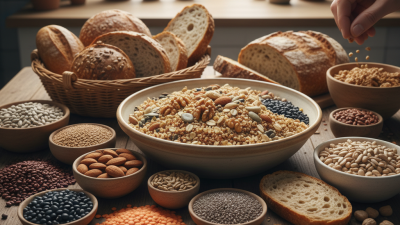
Phytic acid, often discussed as phytate in foods, is a phosphorus-storage compound made by plants. It is concentrated in seeds, where a young plant can draw on stored nutrients as it begins to grow. You find it in beans, lentils, peas, whole grains, nuts, and seeds. Wheat bran and sesame seeds are familiar examples. It is plant-derived. The amount differs with the plant variety, growing conditions, and how much of the outer layer remains after processing.
In food products, phytic acid or phytates may also be used for their ability to bind certain minerals and act as antioxidants. That binding helps explain why they are sometimes described as antinutrients: they can reduce absorption of minerals such as iron and zinc from a meal. The effect depends on the whole diet, not just one ingredient. Food preparation matters, too. Soaking beans, fermenting dough, or sprouting grains can lower phytate levels, though the reduction varies. That varies. It is easy to make the topic sound more alarming than it is; phytic acid is a normal part of many nutritious plant foods, and its role deserves context rather than a simple good-or-bad label.
How Does Phytic Acid Function in Food?
Phytic acid, also called phytate in its salt form, occurs naturally in grains, beans, nuts, and seeds. In food, it can act as a chelating agent: it binds certain metal ions, including iron and copper. Those metals can speed up oxidation, which may cause oils and other ingredients to develop stale flavors. Binding them can help slow these changes and preserve a product’s quality.
The effect depends on the recipe. Acidity, processing, and the amount of phytic acid all matter. In some foods, it may help protect flavor or color; in others, the difference may be hard to notice. It is not a universal preservative. Its mineral-binding action can also reduce the amount of iron or zinc available for absorption from a meal, especially in foods rich in phytate. Soaking, sprouting, or fermenting grains and legumes can lower phytate levels.
That trade-off is easy to overlook. A food maker may value improved stability, while a nutrition professional may consider mineral availability. Neither view tells the whole story on its own. The practical effect varies with the food and the rest of a person’s diet, so phytic acid’s role is best judged in context.
Which Food Products Use Phytic Acid?
Phytic acid occurs naturally as phytate in grains, beans, nuts, and seeds. It may also be added to selected processed foods as a chelating agent, helping limit oxidation caused by metals such as iron. Possible applications include some beverages, edible oils, fruit and vegetable preparations, and meat or seafood products. Not every product does. Formulas differ, and public product-level data rarely show how often phytic acid is added.
The category context is substantial: the Good Food Institute and Plant Based Foods Association’s 2023 U.S. Plant-Based Retail Sales Data reported $8.1 billion in plant-based food sales, including $2.8 billion in plant-based milk. Those figures describe the market, not phytic-acid use; treating them as ingredient-use statistics would be misleading. The distinction can be easy to miss.
Tip: Check the ingredient list for “phytic acid” or “inositol hexaphosphate.” Whole grains and beans contain natural phytate, but that alone does not mean phytic acid was added during processing. For a specific product, ask the manufacturer for its ingredient or technical specification.
How Does Phytic Acid Affect Food Quality and Nutrition?
Phytic acid is found naturally in grains, beans, nuts, and seeds. Food makers may also use it as a chelating agent, helping limit oxidation that can affect color, flavor, and shelf life. In a packaged food, that may mean slower browning or less flavor change during storage. The result depends on the recipe and amount used. It is not a universal preservative.
Nutrition is more complicated. Phytic acid can bind minerals such as iron, zinc, and calcium, making some of them less available for absorption in that meal. This effect matters most when diets rely heavily on unprocessed grains or legumes and offer few other mineral sources. Still, describing phytic acid as simply harmful misses its role as a natural plant compound with antioxidant properties. Context matters.
Preparation can change the balance. Soaking beans, sprouting grains, or fermenting dough may reduce phytate levels; sourdough fermentation, for example, can make some minerals more accessible. Small changes. The effects vary by food and process, so these methods do not guarantee a particular nutritional outcome. I would be cautious about judging a product from one ingredient alone: portion size, the rest of the diet, and processing all shape its practical impact.
What Safety and Regulatory Considerations Apply?
Phytic acid, also called phytate in many foods, can help bind minerals and slow oxidation in some products. That can support product stability. The same binding action may reduce absorption of iron, zinc, and calcium from a meal. The effect depends on the food, preparation, and overall diet. Context matters.
For most people eating a varied diet, the presence of phytate in ordinary foods is not automatically a safety concern. Still, people relying heavily on unrefined grains or legumes, especially with limited mineral-rich foods, may need to consider mineral availability. Soaking, fermenting, or cooking certain ingredients can change phytate levels, though results vary. That sounds simple, but it isn’t.
Regulatory rules depend on where a product is sold and how phytic acid is used. Authorities may assess its identity, purity, intended technical function, and expected exposure; permitted uses and labeling requirements can differ by jurisdiction. A food manufacturer should verify current local requirements rather than assume approval in one market applies elsewhere. Clear ingredient records matter. Review the finished product, too, since its total composition affects exposure and consumer information.