Choosing among the Top 10 Phytic Acid Suppliers for Global Buyers takes more than comparing prices. Buyers should check the intended application, assay method, purity specification, packaging, and batch documentation. A certificate of analysis should match the product being quoted, not merely show a typical result. Ask about source traceability, production consistency, lead times, and how the supplier handles specification changes. Small details matter. A sealed sample bottle and a clear lot number can prevent avoidable confusion later.
Food scientist Richard Cheryan’s research offers a useful perspective: “Phytate performance depends on the ingredient matrix and processing conditions.” This is a paraphrase of that research perspective, not a verified verbatim quotation. It points to a practical issue: the same material may not suit every formulation or process. Buyers should confirm specifications with qualified technical staff and test representative samples before placing large orders. A supplier’s technical responsiveness can matter as much as its catalog.
This guide compares suppliers through practical buyer questions, including product grade, documentation, customization, and international shipping capability. It also encourages readers to look beyond polished product pages. No shortlist is perfect. Public information may be incomplete, and a strong fit on paper can still fail during qualification. Treat each listing as a starting point, verify claims directly, and record the evidence behind the final decision.

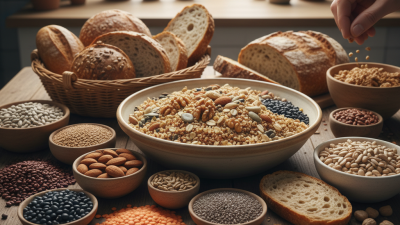
Phytic acid, also called inositol hexakisphosphate or IP6, occurs naturally in seeds, cereals, and legumes. Its phosphate groups bind minerals such as iron and zinc. This can lower mineral absorption in foods, although the effect depends on the meal and processing method. Soaking, fermentation, and germination can reduce phytate levels. The chemistry is useful, but context matters.
In food and ingredient production, phytic acid is valued for its mineral-chelating and antioxidant properties. Applications include food formulation and selected personal-care products, subject to product specifications and local requirements. Buyers should check assay, source material, contaminant limits, and batch documentation. Extraction matters. A supplier’s purity figure alone may not describe performance in a finished formulation.
Global supply is linked to agricultural processing, especially the availability of cereal and oilseed by-products. The FAO’s 2024 Food Outlook forecast global cereal production at 2.854 billion tonnes, indicating a large potential feedstock base, not a measure of phytic-acid sales. Market estimates for phytic acid vary by scope and are not always independently verified. That gap deserves attention. Buyers comparing suppliers should distinguish food-grade material from other grades and confirm test methods before comparing quoted specifications.

Top 10 Phytic Acid Suppliers for Global Buyers
How to Assess Phytic Acid Suppliers and Product Quality
A supplier’s brochure is a starting point, not proof of quality. Ask for a batch-specific certificate of analysis showing phytic acid concentration, test method, pH, appearance, and relevant impurity limits. Check whether the method is validated for the product’s actual form; results for a concentrated solution may not compare directly with results for a diluted one. Small detail. It matters.
The FAO/WHO Joint Expert Committee on Food Additives (JECFA) publishes specifications for food additives, including phytic acid. Use its monograph as a reference point, then ask suppliers to explain any differences between their specification and the stated test results. Request recent third-party laboratory reports, and verify the lab’s ISO/IEC 17025 accreditation covers the tests performed. A certificate alone is not enough.
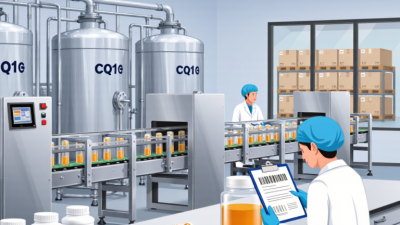
Review traceability, storage conditions, and packaging alongside chemistry. Phytic acid solutions can be affected by concentration and handling, so confirm the batch number, manufacturing date, shelf life, and recommended storage temperature. Ask how the supplier manages deviations and retains samples. ISO’s 2023 survey counted more than 1.26 million ISO 9001 certificates worldwide, but certification does not certify a specific batch. I would still pause over polished claims without test records. A clear answer beats a glossy document.
Global buyers evaluating phytic acid suppliers need more than a competitive quotation. Product grades, concentration, source material, and physical form can vary. Ask for a current specification sheet and a lot-specific certificate of analysis. Check that the stated assay, appearance, and storage conditions match your intended use. Details matter.
Reliable suppliers should explain how they maintain batch consistency and traceability. Request safety documentation, contaminant limits, packaging options, and recommended storage conditions. For a first purchase, compare a sample against your own quality criteria rather than relying on a catalog description alone. If results are unclear, ask the supplier to clarify its test methods. That step is easy to overlook.
Global service also depends on practical coordination. Confirm minimum order quantities, production lead times, export documents, and whether packaging can withstand the planned shipping route. Ask how the supplier handles delays or specification changes. A polished website is not proof of dependable support. Small details matter. Some supplier information may remain incomplete, so buyers should record open questions and resolve them before approving a recurring order.
| Profile | Common Sourcing Region | Product Format to Confirm | Potential Buyer Fit | Key Checks Before Purchase |
|---|---|---|---|---|
| 1. Plant-extract manufacturer | China | Aqueous phytic acid solution; concentration and grade vary by product | Buyers seeking direct export quotations and bulk supply options | Request a current specification sheet, certificate of analysis, origin details, and confirmation of food, cosmetic, or industrial suitability. |
| 2. Phytate-focused chemical producer | China | Phytic acid solution or phytate salts, depending on the product line | Industrial formulators and buyers comparing multiple delivery formats | Confirm the exact chemical identity, assay method, concentration, impurity limits, and whether the offered material is phytic acid or a phytate salt. |
| 3. Rice-bran extraction processor | India | Plant-derived phytic acid extract; liquid grades may be available | Buyers interested in agricultural by-product sourcing and regional supply | Verify extraction and purification details, batch consistency, traceability, and any applicable food-safety documentation. |
| 4. Ingredient and chemical exporter | India | Export-packed liquid product; packaging and concentration require confirmation | Importers seeking consolidated documentation and export logistics | Check export experience for the destination market, transport classification, shelf life, packaging compatibility, and document availability. |
| 5. Specialty chemical distributor | European Union | Distributor-sourced material in supplier-defined grades and pack sizes | Buyers needing regional inventory, local-language support, or smaller order quantities | Ask for manufacturer traceability, local regulatory documentation, product grade, and confirmation that the material meets the intended-use requirements. |
| 6. Food-ingredient distributor | Western Europe | Food-use material only where the grade and applicable rules support that use | Food and beverage developers evaluating an ingredient for a specific formulation | Confirm permitted use in the destination jurisdiction, food-grade specifications, contaminant limits, and supporting compliance documents. |
| 7. Laboratory and specialty-chemical supplier | United States | Research or specialty packs; commercial bulk availability varies | Laboratories, formulators, and buyers requiring technical support or smaller packs | Distinguish research-grade material from production-grade material; confirm assay, packaging size, and commercial-scale availability. |
| 8. Fine-chemical importer or distributor | Japan and South Korea | Imported specialty grades or locally stocked packs, subject to availability | Buyers prioritizing regional technical service and established import processes | Verify the actual manufacturing origin, local-language label requirements, grade documentation, and lead time. |
| 9. Agro-processing and ingredient channel | Brazil and other parts of Latin America | Potential plant-based or imported supply; availability should be confirmed directly | Regional buyers exploring local sourcing or shorter regional logistics | Confirm that the supplier offers phytic acid itself, rather than only rice bran or phytate-containing raw materials; request a batch-specific analysis. |
| 10. Regional chemical importer | Southeast Asia | Imported liquid grades or distributor-held stock, depending on the market | Buyers seeking regional delivery and import coordination | Check country-specific import requirements, storage conditions, remaining shelf life, and continuity of supply. |
| Buyer note: Phytic acid is also known as inositol hexakisphosphate (IP6; CAS 83-86-3). Commercial products can differ in concentration, purity, grade, and formulation. Treat this guide as a sourcing-screening framework, not a verified supplier ranking; request a current certificate of analysis and confirm regulatory suitability for the intended use and destination market. | ||||
Global buyers comparing phytic acid suppliers should begin with documented quality, not a headline price. Request a current specification sheet and a batch-specific certificate of analysis. Check assay, appearance, moisture, and contaminant limits against your intended use. Ask how samples are retained and how deviations are investigated. Small details matter. Consistent product characteristics can reduce rework during blending.
Compare pricing on a delivered basis. Include packaging, minimum order quantity, lead time, freight, and any handling requirements stated by the supplier. A low quotation may hide costly delays or oversized purchases. Ask for price validity and payment terms in writing. Still, paperwork alone cannot prove consistent performance; compare a trial lot with the supplied documents.
Distribution capability shapes reliability across regions. Evaluate warehouse locations, shipment tracking, export experience, and plans for carrier delays. Confirm that packaging protects the product from moisture and damage, and that shipment records identify lot numbers clearly. Response speed matters, too. A precise answer beats a polished brochure. A shared checklist can make comparisons fairer, though it may not capture every practical difference between suppliers.
Choosing a phytic acid supplier starts with a clear specification. State the intended application, required purity, physical form, and expected annual volume. Ask whether the material is food, cosmetic, or industrial grade; these terms are not interchangeable. Request a recent certificate of analysis for the offered batch, not only a generic product sheet. Check the assay method, test date, lot number, and relevant impurity results. A polished document can still leave gaps.
Verify that the supplier can trace raw materials and finished batches. Ask for a sample, then compare its appearance and handling with the specification. For critical uses, arrange independent testing through a qualified laboratory. Confirm packaging details, storage conditions, shelf life, and how deviations are handled. Small details matter. A drum label should match the batch paperwork exactly.
Assess communication as well as price. A reliable supplier should answer technical questions plainly and explain what it cannot guarantee. Request quality-system documents and audit information where appropriate, then check that claims fit your market’s requirements. Do not treat a low quote as proof of poor quality, or a large document pack as proof of control. I would pause if batch records are vague, test methods are missing, or delivery promises seem unusually confident. Supplier checks take time, and they can still miss something; keep incoming inspection in your purchasing plan.