Best Phytic Acid Supplier for Global Buyers Inquiry?
In today's competitive market, selecting the best Phytic Acid Supplier is crucial for businesses globally. Phytic acid, known for its antioxidant and chelating properties, has become a vital ingredient in various industries. As demand grows, the need for reliable suppliers increases.
A trustworthy Phytic Acid Supplier can enhance product quality and reduce risks. Sourcing from reputable suppliers ensures consistent quality and adherence to safety standards. However, not all suppliers meet these expectations. Buyers must conduct due diligence to avoid pitfalls.
Navigating this landscape requires expertise and insights. Engaging with industry experts and understanding supplier capabilities can make a difference. This search can be challenging, yet essential for long-term success and sustainability.
Best Phytic Acid Suppliers: Overview of Global Market Landscape
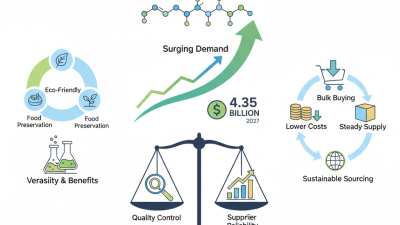
The global market for phytic acid has seen significant growth over the last few years. According to industry reports, the market was valued at approximately $150 million in 2023 and is expected to reach $250 million by 2028, with an annual growth rate of around 10%. This rise is largely driven by increased awareness of phytic acid's health benefits, particularly in dietary supplements and food additives.
Key regions include North America, Europe, and Asia. North America accounts for approximately 35% of the market share. Europe follows closely, driven by the demand for natural food preservatives. In Asia, countries like China and India are ramping up production capabilities, contributing to competitive pricing.
Industry experts note that the supply chain for phytic acid can be complex, often involving sourcing from an array of raw materials. This complexity can pose risks, leading to fluctuations in availability and pricing. Moreover, while the outlook seems positive, challenges persist.
Quality control and regulatory issues remain prominent hurdles for suppliers. Companies must navigate various certification processes to ensure compliance with health standards. Overall, the phytic acid landscape is promising, yet requires adaptability and strategic planning from suppliers to meet the evolving market demands.
Key Applications of Phytic Acid in Food and Nutraceutical Industries
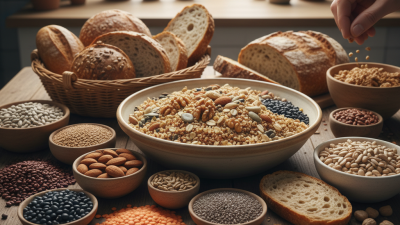
Phytic acid, a natural compound found in seeds, grains, and legumes, plays a significant role in the food and nutraceutical sectors. Its key applications include serving as an antioxidant, a preservative, and a source of phosphate for nutrition. According to recent industry reports, the global phytic acid market is projected to grow at a CAGR of approximately 7% through 2025, driven by increased consumer demand for health supplements and functional foods.
In the food industry, phytic acid is valued for its ability to improve the shelf life of products. It can inhibit oxidative processes, thus preserving food quality. In nutraceuticals, it is recognized for its potential health benefits, such as modulating cholesterol absorption and acting as a mineral binder. Reports indicate that this compound can improve gut health by promoting beneficial bacteria. Its versatility attracts attention from manufacturers globally.
Tips: When sourcing phytic acid, consider purity levels and sourcing methods. High-quality suppliers often provide third-party testing data.
This can assure buyers of product safety and efficacy. Additionally, stay informed about evolving regulations regarding natural additives in your region. Having reliable data helps mitigate potential compliance issues.
Factors Affecting Phytic Acid Quality and Supplier Selection Criteria
When selecting a phytic acid supplier, there are several factors influencing quality. Understanding purity levels is crucial. Consistent purity ensures the effectiveness of phytic acid in various applications. Buyers should inquire about testing processes and quality assurance measures. Sample analysis can be a decisive factor in confirming quality.
Another key consideration is sourcing practices. Ethical sourcing often correlates with better-quality products. Suppliers should demonstrate transparency in their sourcing methods. Geographic location can also impact quality. Different regions may yield varying concentrations and effectiveness of phytic acid. Engaging suppliers in discussions about their sourcing is essential.
Additionally, evaluating a supplier's reputation is important. Look for references and past buyer experiences. Longevity in the market can indicate reliability and expertise. However, newer suppliers may offer innovative solutions. Balancing these factors requires thoughtful consideration. Trust your instincts and remain open to exploring options. Peer feedback can offer valuable insights, but due diligence is always needed.
Global Trade Statistics: Phytic Acid Demand and Supply Trends
Phytic acid is gaining traction in global markets. Its role as an anti-nutrient is well recognized, but it also offers potential health benefits. This has led to a growing demand in various sectors, including food and cosmetics. Buyers are increasingly looking for reliable suppliers of this compound to satisfy their needs.
Trade statistics show that the demand for phytic acid has surged in recent years. Many countries are ramping up their production efforts to keep pace. However, some challenges persist. Not all suppliers adhere to stringent quality standards. This raises questions about product reliability. Buyers must do their due diligence before making decisions.
Supply trends reveal a complex landscape. Regions rich in agriculture tend to dominate production. Yet, fluctuations in crop yields can impact availability. It's crucial for buyers to stay informed about market changes. Developing strong relationships with suppliers can enhance access to quality phytic acid. Understanding the market dynamics will help buyers navigate this evolving sector effectively.
Top Regions for Phytic Acid Production and Supplier Recommendations
Phytic acid, a natural compound found in plants, is gaining attention for its antioxidant properties. Regions like Asia and Europe lead in production. According to recent industry reports, these areas contribute significantly to the global market. Investing in suppliers from these regions can enhance product quality.
In Asia, particularly in countries such as China and India, phytic acid production is on the rise. A report by Global Industry Analysts indicates a growth rate of approximately 6.5% annually for phytic acid, driven by the demand in food, pharmaceuticals, and cosmetics. However, quality can vary significantly among suppliers. It's essential to evaluate their sourcing and manufacturing processes.
European suppliers also present notable options. Countries like Germany have established strict quality standards. They invest in research and development, ensuring purity and efficacy. Nevertheless, it can be challenging to navigate the landscape of reputable suppliers. Buyer inquiries should focus on certifications and production methods to ensure reliability. Finding the right supplier requires diligence and awareness of these factors.