
Leave Your Message

China Top Wholesale Alpha Lipoic Acid Powder Suppliers?

Choosing a China-based supplier for Wholesale Alpha Lipoic Acid Powder takes more than comparing prices or polished product pages. Buyers need to examine the details behind each offer: the assay method, batch-specific certificate of analysis, production controls, packaging, and storage guidance. A clear paper trail matters. So does a supplier willing to answer precise questions before an order is placed.

Dr. Lester Packer is a recognized researcher whose work helped shape scientific discussion of alpha-lipoic acid and antioxidants. I cannot verify a verbatim supplier-sourcing quotation from him, so I will not invent one. A fair paraphrase of the evidence-led lesson is simple: judge claims by data, not marketing language. That principle is useful when comparing manufacturers, exporters, and trading companies. Request a recent COA, check whether the stated assay matches the test method, and ask how the powder is protected from moisture and light. Small details count.

This guide examines China’s wholesale supplier landscape through practical questions about quality documentation, communication, customization, and order consistency. Not every impressive factory profile proves reliable performance. That deserves a second look. Use the comparisons that follow to identify suppliers worth further verification, rather than treating any listing as an automatic recommendation.
China Top Wholesale Alpha Lipoic Acid Powder Suppliers?

Alpha Lipoic Acid Powder: CAS 1077-28-7, Formula C₈H₁₄O₂S₂, and Molecular Weight 206.33

Alpha lipoic acid powder is identified by CAS 1077-28-7. Its molecular formula is C₈H₁₄O₂S₂, and its molecular weight is 206.33 g/mol. These details help buyers distinguish the ingredient from similarly named compounds when reviewing wholesale specifications. Check that the product name, CAS number, formula, and stated weight agree across the specification sheet and test documents. Small inconsistencies deserve a follow-up.

Molecular weight is useful, but it does not establish purity or suitability for a particular application. Request a recent certificate of analysis and review the assay method, moisture result, and batch identification. Look for clear storage guidance, too. A sealed sample container and a well-labeled lot record make basic checks easier. Ask how the powder is protected from heat and humidity during storage and shipment, since handling conditions can affect product quality.

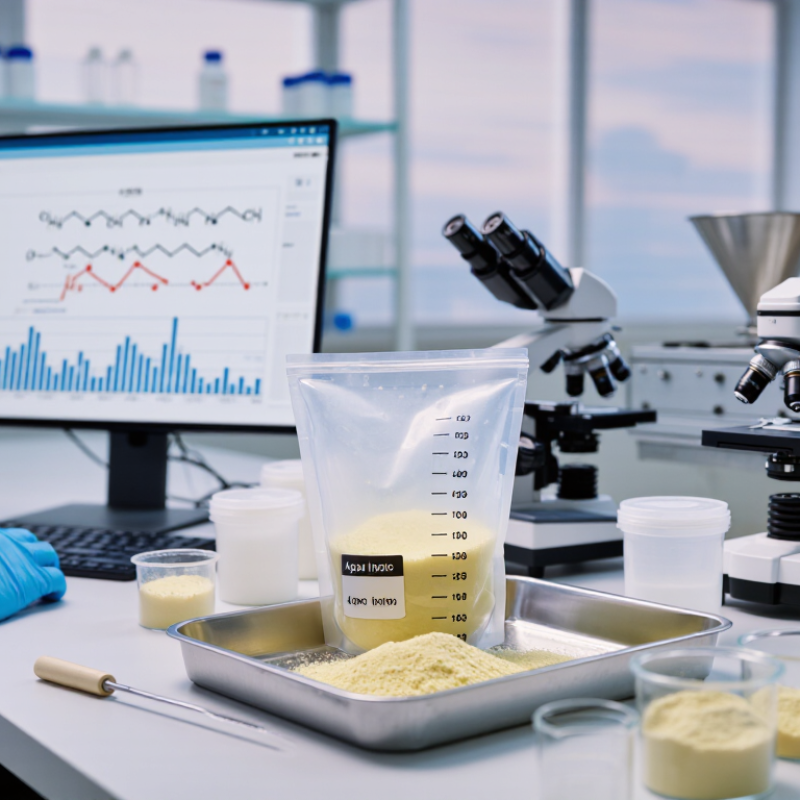
For supplier comparisons, request representative samples and compare documentation before discussing price alone. Particle size, appearance, and flow can matter in manufacturing, yet they should be measured rather than guessed from a photograph. Not every document answers every question. If a specification is unclear, ask for the test method and acceptance limits; dependable sourcing starts with details that can be verified.

R-ALA and Racemic ALA: Forms, Assays, and Key Product Specifications

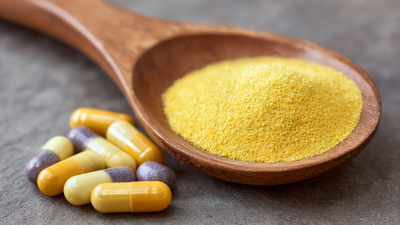
When comparing wholesale alpha lipoic acid powder suppliers in China, distinguish R-ALA from racemic ALA. R-ALA contains the R enantiomer, while racemic material contains both R and S forms. The label alone is not enough. Ask for a current certificate of analysis tied to the specific lot.

Check how the supplier measures identity and assay. HPLC can support purity testing, while chiral HPLC helps distinguish enantiomer composition. Request results, test methods, and acceptance limits rather than relying on a single headline percentage. Details matter. Review moisture, residual solvents, heavy metals, microbial limits, and particle size against your application. Packaging should protect the powder from moisture and excessive heat; confirm the recommended storage conditions and shelf life. Ask for evidence. A specification sheet may look complete but still leave gaps, such as an unclear assay basis or no chiral data. That is worth questioning. Compare documents across lots, and clarify whether reported values are typical or guaranteed. Small inconsistencies can be easy to miss, and supplier paperwork should be independently assessed before purchase.

China Supplier Verification: GMP, ISO 22000, HPLC, and Batch COAs

When comparing China-based wholesale alpha lipoic acid powder suppliers, verify documents against the actual production site. A GMP certificate should identify the facility and show a current, relevant scope. ISO 22000 documentation also needs a valid date and matching company details. Certificates are useful signals, not proof of every batch’s quality. Check the issuer and confirm that the listed activities cover the product you intend to buy. Paperwork can look complete, yet one mismatch matters.

Ask for a batch-specific certificate of analysis before placing a large order. The COA should show the lot number, test methods, results, and release date. Compare its lot number with the package label and shipping documents. HPLC results can support assay and identity checks, but the method and acceptance limits should be clear. Ask how samples are collected and whether an independent laboratory can verify a lot.

That matters. Storage conditions, moisture control, and sealed packaging deserve attention too.

One detail is easy to miss: a supplier may provide a polished sample report that does not represent the shipment. Request records for the exact batch, then review them carefully. Verification takes time, and no single certificate removes every uncertainty.

Wholesale Comparisons: MOQ, Lead Time, Packaging, and Export Documentation

China Top Wholesale Alpha Lipoic Acid Powder Suppliers?

When comparing wholesale suppliers, request the MOQ in writing and clarify whether it applies to stock or a custom batch. A low MOQ sounds useful. Still, it may come with a higher unit price or limited packaging options. Compare quotes using the same grade, purity specification, and order quantity. Ask for a recent certificate of analysis tied to the specific batch, not just a generic sample report.

Lead times need a clear definition. Does the estimate cover production, testing, and dispatch, or only manufacturing? For stocked powder, shipping preparation may take days; custom production can take longer, especially when batch testing is required. Confirm the shipment window and how delays are communicated. These details matter more than an optimistic estimate.

Packaging should match the order size and storage plan. Ask whether the powder is packed in sealed inner liners, with a suitable outer container, and whether labels show batch number and net weight. Export documentation may include a commercial invoice, packing list, certificate of analysis, and safety data sheet; requirements vary by destination. Check which documents are available before payment. A supplier comparison table helps, but it is not a guarantee—verify each item against your own product and import requirements.

Supplier Shortlisting: Check Traceability, Production Capacity, and Compliance

China Top Wholesale Alpha Lipoic Acid Powder Suppliers?

When comparing wholesale alpha lipoic acid powder suppliers in China, assess records before price. Ask for a lot-specific certificate of analysis, manufacturing date, raw-material origin, and traceable batch code. Check whether the code connects incoming-material records with finished-product testing. A polished PDF is not enough. Request test methods and review identity, assay, moisture, and impurity limits with your quality team.

Production capacity should be demonstrated, not just stated. Ask about monthly output, current utilization, batch size, and backup equipment. Compare a recent sample lot with the proposed commercial lot; color, flow, and packaging should be consistent. Ask how deviations, equipment cleaning, and specification changes are documented. Capacity can shift during peak demand, so confirm lead times in writing. Paperwork may lag a shipment. Treat that as a risk to resolve, not a minor detail.

Tips: Request current quality certificates, facility audit scope, product specifications, safety data sheets, and export documents relevant to your destination. Verify certificate validity with the issuing body, and check that product names and facility addresses match. If answers are vague, pause. A trial order can reveal gaps, but it cannot replace ongoing supplier monitoring.