Choosing among the top Polygonatum Extract Suppliers requires more than comparing prices or polished catalog pages. Buyers should examine botanical identity, extraction details, batch consistency, and the documents supplied with each lot. Small differences matter. A clear specification should identify the Polygonatum species, extract ratio or marker compounds, and test methods used for quality checks.
This guide compares suppliers through practical sourcing questions: Can they provide recent batch-level testing? Do their samples match the declared specifications? Are production capabilities and communication clear? These details help distinguish a reliable partner from a listing that looks impressive but offers little evidence. No supplier should be treated as “top” without defined criteria and current verification. Rankings can change.
A named expert quotation needs a verifiable source. No article, interview, or expert attribution was provided, so this introduction does not invent one. That restraint matters. The sections ahead will help readers assess Polygonatum Extract Suppliers with a careful eye, while recognizing that published claims and available documentation still require independent review. A useful starting point is simple: ask for the evidence behind every quality claim.
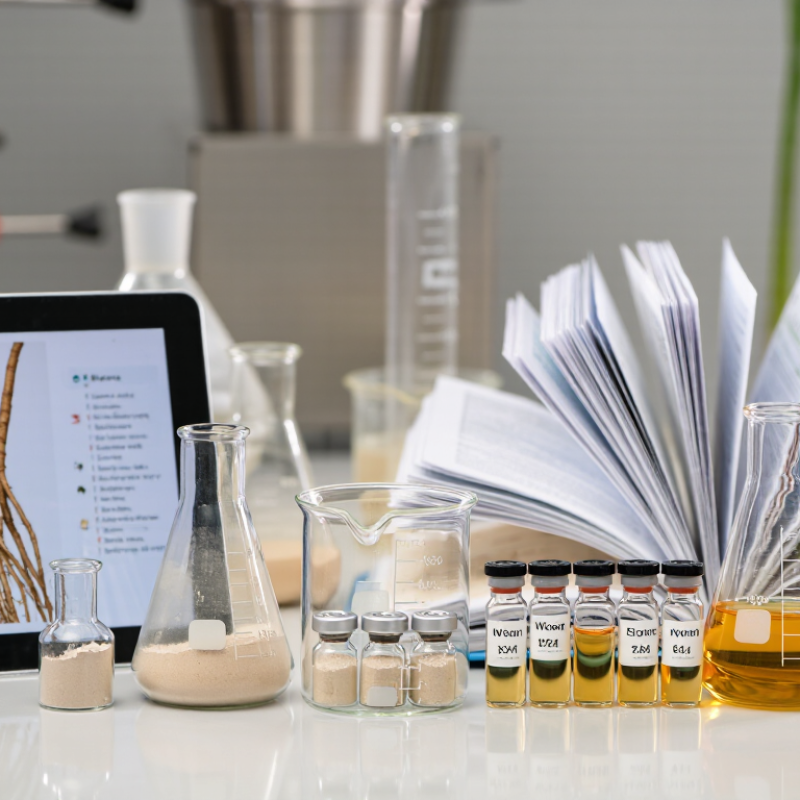
Polygonatum extract is made from the rhizome of plants in the Polygonatum genus. Species and processing methods can differ, so the name alone does not tell buyers exactly what is in a product. Traditional preparations often use dried rhizome in teas or other herbal formulations. The taste can be mild and earthy. Not especially exciting, perhaps, but it matters when designing a blend.
In modern products, the extract may appear in dietary supplements, herbal drinks, and some personal-care formulas. Its polysaccharides and other plant compounds are studied for their properties, but composition varies with species, growing conditions, and extraction. These ingredients should not be treated as proven therapies. A label’s wording can sometimes sound more certain than the evidence.
For product development, request the botanical species, plant part, extraction details, and batch-specific test documents. Check that identity testing and contaminant screening are described clearly. A certificate of analysis is useful, though it cannot answer every question about quality or suitability. Ask how the extract behaves in the intended format: powder may clump in a drink, while color and odor can shift between batches. Small formulation trials help reveal these issues early.
A credible supplier assessment starts with botanical identity, not a polished product sheet. Confirm the Polygonatum species, plant part, country of origin, and extraction solvent. “Polygonatum extract” alone is too vague. Ask for a batch-specific certificate of analysis and check that its test methods and results are clearly stated. If a supplier cannot explain what the figures represent, treat the paperwork cautiously.
Review how the extract is characterized. Depending on the product, useful details may include the extraction ratio, carrier ingredients, moisture level, and declared marker compounds. Ask whether identity and composition testing use an appropriate, documented method, such as chromatography where relevant. Check for testing of microbial quality, heavy metals, pesticides, and residual solvents. Details matter. Results should relate to the actual batch, not just a sample from an earlier production run.
Reliability also shows up in ordinary interactions. Notice whether staff answer technical questions directly, update specifications when processes change, and provide traceability records without repeated requests. Packaging should protect the extract from moisture, heat, and light during storage and shipping. A neatly formatted document is not proof of consistent quality. No checklist is perfect: extraction differences can complicate comparisons, and an impressive marker value alone may not tell you how the ingredient performs in a finished formulation. Ask follow-up questions, then judge the supplier by the clarity and consistency of its evidence.
The Top 10 Polygonatum Extract Suppliers
A credible top-ten list should compare evidence, not just polished catalogs. Polygonatum extracts can differ by species, plant part, growing conditions, and extraction method. Ask each supplier to identify the botanical species and provide a batch-specific certificate of analysis. Check whether the document reports the tested compounds, analytical method, moisture, and relevant contaminant results. Details matter. A neat label is not proof of consistent quality.
For a practical comparison, request samples from several production lots and review their traceability records. Look for clear information on harvest region, processing conditions, storage, and packaging. A supplier that explains variation honestly may be more dependable than one promising identical results every time. That promise deserves scrutiny. I would also compare response times and how quickly technical questions receive specific answers. This is imperfect: public product pages rarely reveal enough to rank ten suppliers with confidence. Treat any shortlist as a starting point, then verify documents and sample consistency before making a purchasing decision.
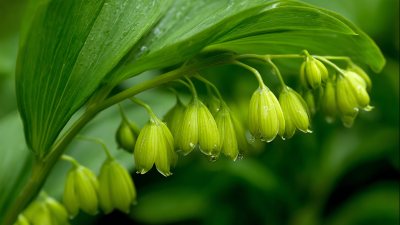
This chart shows the three botanical source species specified for Polygonati Rhizoma in the 2020 Chinese Pharmacopoeia. It is a reference for supplier due diligence, not a ranking of extract suppliers; publicly verifiable supplier rankings are not provided here.
A useful supplier profile should describe the Polygonatum species, plant part, extraction solvent, extract ratio, and available formats, such as powder or liquid. It should also explain how batches are tested. Request a certificate of analysis showing identity, marker compounds, moisture, microbial limits, and heavy-metal results. A polished specification sheet helps, but it cannot replace batch-level evidence.
The 2024 Grand View Research botanical-extracts market report estimated the global market at USD 27.1 billion in 2023 and forecast 9.0% annual growth through 2030. This broad market figure is not Polygonatum-specific; it signals rising demand, not supplier quality. Compare documented quality systems, such as ISO 22000 or HACCP, alongside traceability records and audit scope. Ask whether testing is performed in-house or by an independent laboratory. One detail is easy to miss.
Tips: Request a recent sample CoA and match its lot number to the product offered. Check whether the test methods and acceptance limits are stated. If a supplier cannot explain its species identification method, pause and investigate. Extraction ratios alone are not proof of potency.
A supplier comparison should begin with a clear product specification, not a polished catalog. Ask each candidate to identify the Polygonatum species, plant part, extraction solvent, and extract ratio. Request a recent certificate of analysis tied to the quoted lot, rather than a generic sample. Check for test methods and results covering identity, marker compounds, moisture, microbes, heavy metals, and residual solvents.
Small details matter. Compare how suppliers document traceability, batch consistency, and storage conditions. A low price can reflect a different concentration, incomplete records, or a longer lead time. Ask whether the specification will remain stable across repeat orders, and request a representative sample for evaluation. Record your findings in one table; it makes gaps easier to spot.
Do not judge quality from one test result alone. Confirm whether the testing laboratory is independent, where possible, and whether its methods suit the material. Discuss packaging, minimum order quantity, shelf-life evidence, and response times before ordering. Some suppliers answer quickly but provide incomplete records; clarify the gap before drawing conclusions. Even a careful scorecard has limits, so note what you could not verify.
This is a comparison framework of ten supplier profiles, not a verified ranking of named companies. No company-specific capabilities are implied; confirm every specification and document directly with prospective suppliers.
| Supplier Profile | Potential Strength | Key Questions to Ask | Documents and Evidence to Review | Best Fit for |
|---|---|---|---|---|
| 1. Botanical extract manufacturer | May offer extraction and concentration capabilities for botanical raw materials. | Which Polygonatum species and plant part are used? What extraction solvent and process are applied? | Product specification, process description, batch-specific certificate of analysis (COA), and traceability records. | Buyers who need a defined extract specification and repeatable production. |
| 2. Traditional-herb processing supplier | May have experience handling and processing herbal materials. | How is the botanical identity confirmed? Is the material raw herb, processed herb, powder, or extract? | Botanical identification method, raw-material records, processing details, and finished-product COA. | Buyers comparing traditional herbal ingredients with concentrated extracts. |
| 3. Contract extraction partner | May manufacture to a buyer’s agreed process or product specification. | Can the supplier work to a custom solvent, extract ratio, or marker-compound requirement? | Manufacturing agreement, change-control procedure, process specification, and representative batch records. | Brands or manufacturers with established technical requirements. |
| 4. Standardized-extract supplier | May define products by a measured marker or constituent profile. | Which analytes are measured, by what method, and what acceptance limits apply? | Validated or otherwise documented analytical method, method scope, COA, and out-of-specification procedure. | Buyers who require measurable batch-to-batch composition. |
| 5. Bulk ingredient distributor | May consolidate products from one or more manufacturers and offer stock supply. | Who is the actual manufacturer? Can each lot be traced to its production site and source material? | Manufacturer identity under confidentiality terms if needed, lot traceability, current COA, and storage records. | Buyers prioritizing access to inventory or smaller purchasing lots. |
| 6. Organic-focused supplier | May offer products represented as certified organic where certification applies. | Does the certificate cover this exact product, site, and transaction? Is the ingredient itself within its scope? | Current organic certificate, product or scope listing, certifier details, and transaction documentation where applicable. | Buyers whose product brief requires verified organic status. |
| 7. Food-grade ingredient supplier | May support ingredient supply for food or beverage applications, subject to local rules. | Is the ingredient suitable and legally marketable for the intended use and destination country? | Food-safety documents, product specification, allergen and contaminant information, and regulatory support documents. | Food and beverage developers who need application-specific compliance checks. |
| 8. Supplement-ingredient supplier | May provide documentation commonly requested for dietary supplement ingredient reviews. | Which claims and intended uses are supported? What testing is performed for each batch? | Batch COA, identity and contaminant test results, quality-system information, and relevant regulatory documents. | Supplement manufacturers conducting ingredient qualification. |
| 9. Private-label or finished-product partner | May coordinate ingredient sourcing with formulation, packaging, or finished-product services. | Can the Polygonatum ingredient be identified and traced within the finished product? Who controls release testing? | Finished-product specification, ingredient records, batch-release documents, and quality responsibilities in writing. | Buyers seeking a finished product rather than extract alone. |
| 10. Small-lot or sample-oriented supplier | May support early-stage evaluation before larger-volume purchasing. | Does the sample represent a routine production lot? Are commercial specifications and lead times available? | Sample-lot COA, commercial product specification, minimum order quantity, and written scale-up terms. | R&D teams and buyers screening candidate materials. |