Top 5 Tips for Sourcing Quality Beta Carotene Powder Globally?
In the global market, sourcing quality beta carotene powder is crucial. This ingredient has seen increased demand due to its health benefits. According to a report by Research And Markets, the beta carotene market is expected to grow at a CAGR of 5.1% from 2021 to 2026. This underscores the importance of selecting the right suppliers in today’s competitive environment.
Experts emphasize the need for thorough vetting. Dr. Jane Smith, a leading figure in the Beta Carotene Powder Factory industry, states, "Quality sourcing is the backbone of a successful operation." Her insight reflects the industry's emphasis on reliability and consistency. When sourcing, companies must not only consider price but also quality and supplier credibility.
Quality varies significantly across suppliers, and not all beta carotene powder meets industry standards. Poor sourcing practices can lead to inconsistent results and compromised health benefits. It's vital to engage with trusted manufacturers and conduct rigorous testing. This ensures that the product you source enhances nutritional value and meets regulatory standards.
Understanding Beta Carotene Powder: Properties and Benefits
Beta carotene powder is gaining popularity for its vibrant color and health benefits. This natural pigment, found in fruits and vegetables, is a precursor to vitamin A. It is essential for vision, immune function, and skin health. The powder is a concentrated source of this valuable nutrient, appealing to health-conscious consumers.
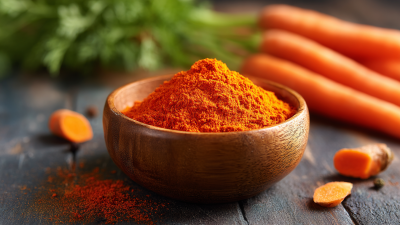
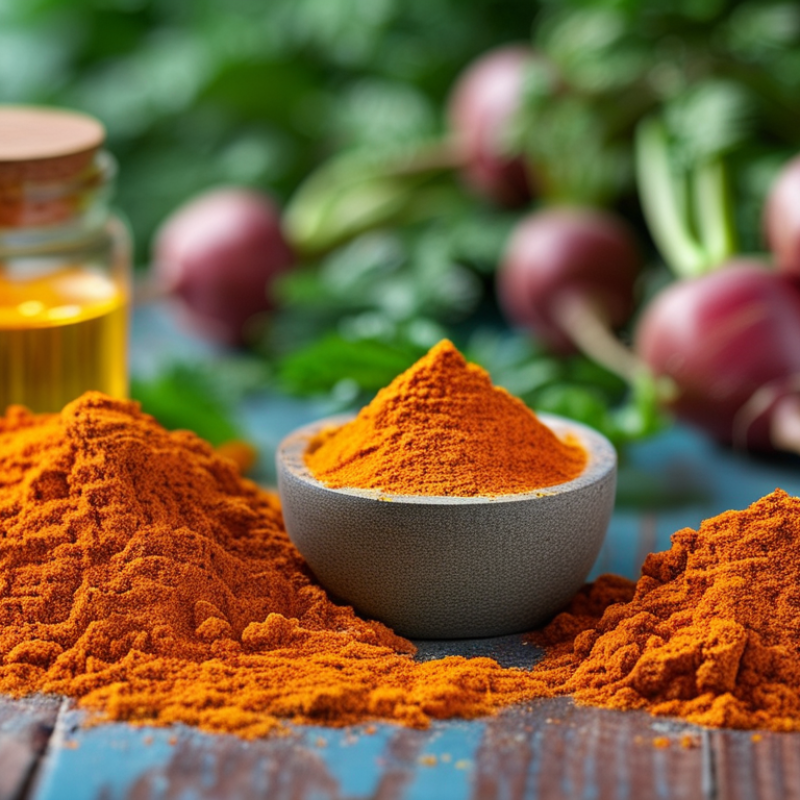
Understanding the properties of beta carotene powder is crucial for those sourcing it. The color can vary, signaling quality and potency. A rich orange hue often indicates a higher concentration of beta carotene. When sourcing, check the extraction method. Organic practices tend to yield a more nutrient-dense product. Impurities may hinder health benefits, so ensure your supplier maintains high-quality standards.
The benefits are compelling but require critical evaluation. While beta carotene is beneficial, excessive intake could have side effects. It's important to balance consumption with other nutrients. Collaborate with trusted suppliers who understand these intricate aspects. This way, you ensure that you’re getting quality beta carotene powder for your needs.
Identifying Reliable Suppliers for Quality Beta Carotene Powder
When sourcing quality beta carotene powder, identifying reliable suppliers is crucial. Consider the different aspects of supplier qualifications. Look for suppliers with certifications such as ISO 9001 or GMP. These certifications assure quality management and good manufacturing practices. According to market research, the global beta carotene market was valued at approximately $64 million in 2022 and is expected to grow at a CAGR of 5.9% by 2030.
Supplier transparency is essential. Evaluate their sourcing practices and ingredient traceability. A reliable supplier will provide detailed information about their raw material origins. It's vital to inquire about testing methods used to assess purity and potency. Industry reports indicate that some suppliers may claim high potency levels without proper validation. Therefore, testing results should be readily available.
Pricing can also be a red flag. If a deal seems too good to be true, it often is. Engage in discussions to understand their pricing structure. A legitimate supplier will have competitive pricing that reflects quality assurance costs. Establish a long-term relationship with suppliers who share your commitment to quality. Trustworthy partnerships ensure consistent supply and product integrity.
Assessing Purity and Quality Standards in Beta Carotene Products
When sourcing beta carotene powder globally, assessing purity and quality standards is essential. Not all products meet high-quality requirements. Many suppliers offer varying standards. Therefore, it is crucial to verify their claims.
One effective tip is to request third-party testing reports. These documents can confirm the purity of the beta carotene. Look for details on the extraction method as well. A superior extraction process often yields a purer product. Batch testing can reflect consistency and reliability.
Another important point is to check the source. Natural sources like carrots or algae often provide higher quality. Synthetic alternatives may not deliver the same benefits. It's also wise to consult experts in the field. Their insights can guide your decisions and help discern quality products.
Always question product labeling. Vague definitions may hide essential information. Not all labels reflect reality. A thorough investigation of suppliers can uncover inconsistencies. Relying solely on marketing claims can lead to disappointment.
Evaluating Pricing Strategies and Cost-Effectiveness of Sourcing
When sourcing quality beta carotene powder globally, evaluating pricing strategies is crucial. The cost of this ingredient can vary significantly across different suppliers. Researching market rates can help you establish a baseline. Make sure to compare the unit prices of different suppliers to gauge competitiveness. Consider not only the raw cost but also additional shipping fees. These hidden costs can dramatically alter your total expenditure.
Understanding the bulk purchasing power is key. Many suppliers offer discounts for larger orders. Yet, ensure that the quality remains consistent. It's prudent to ask for samples before committing to bulk orders. Testing samples allows you to evaluate the powder’s color, taste, and solubility. Reflect on how pricing correlates with quality. Sometimes, lower prices may lead to inferior products.
Reviewing suppliers' certifications is essential. Valid certificates indicate reliable production practices. Look for sources that showcase transparency in their manufacturing processes. This can help you avoid potential pitfalls. Establishing a trusted network can take effort but leads to better sourcing decisions over time. Price is important, but quality should never be compromised.
Top 5 Tips for Sourcing Quality Beta Carotene Powder Globally
| Tip |
Description |
Considerations |
Estimated Cost (per kg) |
| 1. Research Reputable Suppliers |
Identify and assess suppliers based on reviews, certifications, and product quality. |
Check for GMP, ISO certification. |
$18 - $25 |
| 2. Compare Pricing Models |
Evaluate prices across different suppliers as well as bulk vs. small orders. |
Consider shipping costs and volumes. |
$15 - $24 |
| 3. Quality Testing |
Request samples and perform quality analysis (e.g., purity levels, color intensity). |
Lab testing costs may apply. |
$20 - $30 |
| 4. Assess Logistics and Supply Chain |
Consider reliability, lead times, and conditions of transportation. |
Customs, duties, and international regulations. |
$16 - $23 |
| 5. Negotiate Contracts |
Discuss terms, quantities, and pricing to reach a favorable agreement. |
Beware of hidden costs. |
$17 - $22 |
Navigating Global Regulations and Compliance for Beta Carotene Import
Navigating global regulations for sourcing beta carotene powder is complex. Each country has its own rules. Understanding these regulations is vital to avoid costly mistakes. For instance, the European Union has strict guidelines regarding food additives and dietary supplements. According to the European Food Safety Authority (EFSA), compliant labeling and documentation are crucial for any import process.
Different regions require various certifications, like HACCP or ISO. These standards ensure the safety and quality of the product. In a 2022 report by Grand View Research, the beta carotene market was valued at approximately $300 million globally. This highlights the rising demand and the need for compliance. Non-compliance can lead to shipments being held at customs, which disrupts supply chains.
Moreover, there may be unexpected regulatory changes. Staying updated is essential for ensuring that products meet local standards. Engaging with local experts can guide you through the maze of regulations. This can save time and prevent financial loss. Relying solely on general knowledge might not suffice in today’s dynamic market.