Leave Your Message

2026 Top Wholesale Melatonin Benefits for Better Sleep?

In today's fast-paced world, many seek solutions for better sleep. The "Wholesale Melatonin" market has seen significant growth as people recognize its benefits. Dr. Sarah Thompson, an expert in sleep health, states, "Melatonin can help regulate sleep patterns naturally." This highlights the increasing trust in melatonin supplements.

Melatonin is a hormone that our body produces, but sometimes, production can be disrupted. Issues like stress and digital screen usage may interfere with natural levels. Wholesale Melatonin products offer a convenient option to enhance sleep quality for those struggling. However, not every product is the same. Quality varies, and consumers must do their homework when choosing a supplier.

Despite the positive aspects, some people experience side effects. Drowsiness or headaches may occur with improper use. It’s essential to approach Wholesale Melatonin thoughtfully. Understanding personal needs and consulting a healthcare professional can foster safer usage. As we delve deeper into the benefits of melatonin, let’s navigate this landscape with caution and insight.

2026 Top Wholesale Melatonin Benefits for Better Sleep?

Benefits of Melatonin: An Overview of Its Role in Sleep Regulation

2026 Top Wholesale Melatonin Benefits for Better Sleep?

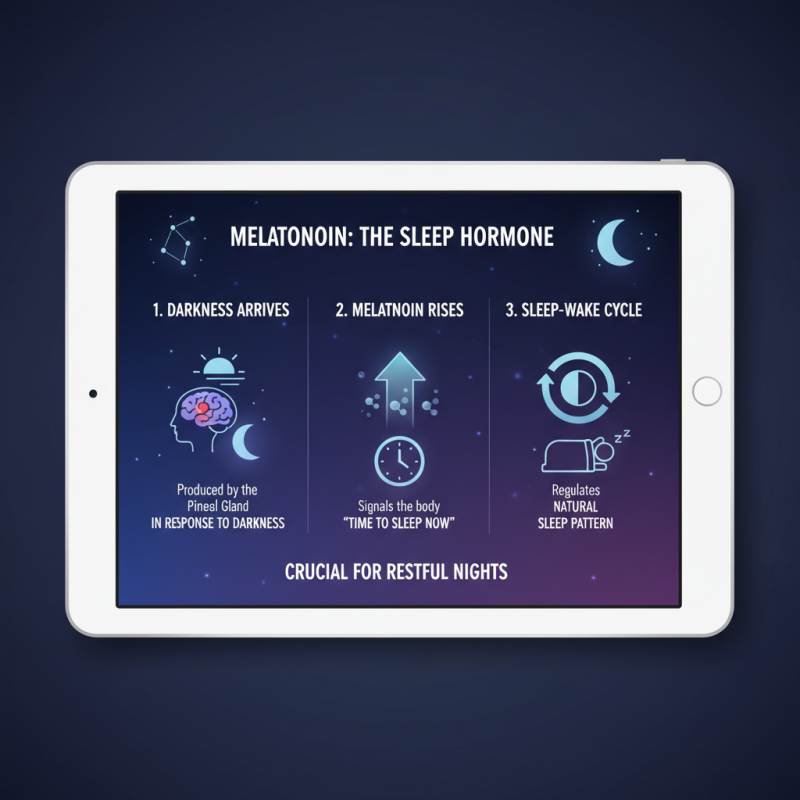
Melatonin plays a crucial role in sleep regulation. It is a hormone naturally produced by the body in response to darkness. As night falls, melatonin levels rise, signaling the body that it's time to sleep. This regulation helps maintain a healthy sleep-wake cycle.

However, not everyone experiences the benefits of melatonin equally. Some may find it beneficial for occasional insomnia, while others might struggle with unpredictable sleep patterns despite its use. It's important to understand that melatonin is not a one-size-fits-all solution. Factors like age, lifestyle, and overall health can influence its effectiveness. Additionally, the timing and dosage of melatonin supplementation can vary from person to person.

Research indicates that melatonin can improve sleep quality for some. It might shorten the time it takes to fall asleep and enhance overall restfulness. Yet, it’s essential to approach melatonin with caution. Not all individuals respond positively. Some may encounter side effects like daytime drowsiness or vivid dreams. A careful evaluation of individual needs is necessary to maximize its potential benefits.


Examining Melatonin Dosage Recommendations for Optimal Sleep Quality

Melatonin is a hormone that regulates sleep. Many people consider melatonin supplements to aid better sleep quality. Understanding the appropriate dosage is crucial for its effectiveness. Typical doses range from 0.5 mg to 5 mg. However, some individuals may require adjustments.

It's essential to start with the lowest effective dose. Too much melatonin can lead to grogginess the next day. Observing your body’s response helps find the right balance. Adjust the dosage based on personal experience. Consistency is also important. Taking melatonin at the same time each night supports your body’s natural rhythm.

Remember that melatonin is not a cure-all. Factors like stress and environment affect sleep quality. Creating a relaxing bedtime routine can enhance its benefits. Experiment with the dosage. Too little might not help, while too much can backfire. Finding the optimal amount may take time and patience. Listening to your body’s signals is key to improving sleep quality.

Scientific Studies: Melatonin's Effectiveness in Treating Insomnia

Melatonin, a hormone naturally produced in the body, has gained attention for its potential in treating insomnia. Scientific studies highlight its effectiveness in regulating sleep cycles. Research shows melatonin can reduce the time it takes to fall asleep. Sleep latency drops significantly for some people. However, results can vary widely from person to person.

Many individuals report better sleep quality after taking melatonin supplements. A few studies indicate an improvement in overall sleep duration. Yet, a portion of participants experience little to no benefits. This inconsistency raises questions about dosage and timing. Not everyone responds similarly to melatonin. Some might need a higher dose, while others find smaller amounts sufficient.

It's essential to approach melatonin with caution. Side effects like daytime drowsiness can occur. People with certain health conditions should consider consulting a healthcare professional before use. The journey to better sleep can be complex, with everyone seeking different solutions. An honest reflection on one’s lifestyle may also be necessary to complement any supplementation.

Potential Side Effects and Considerations of Melatonin Use

2026 Top Wholesale Melatonin Benefits for Better Sleep?

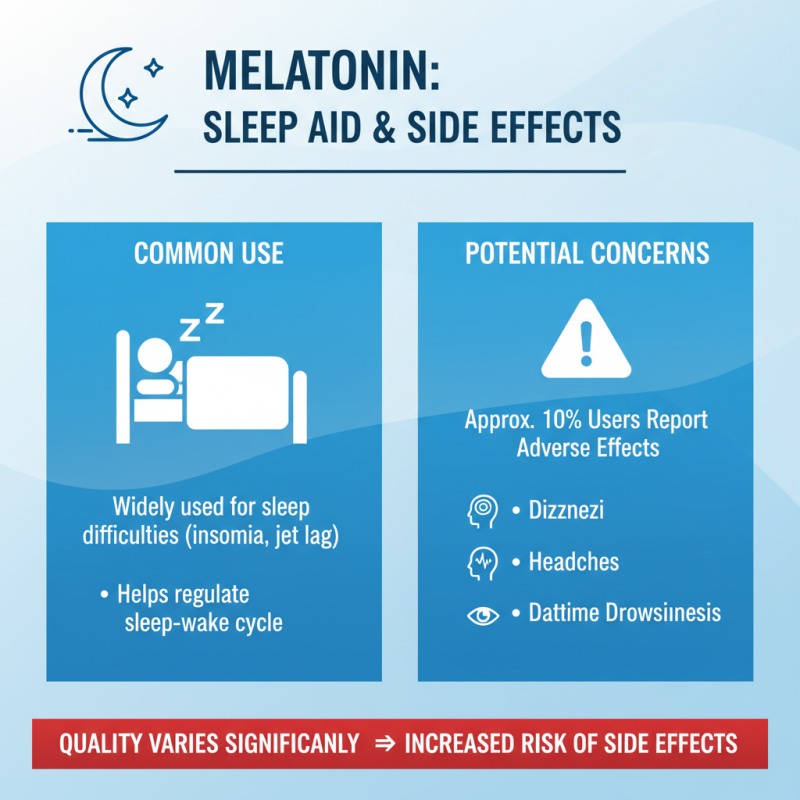
Melatonin is widely used for sleep issues. While many people benefit from it, there are potential side effects. Reports indicate that around 10% of users experience adverse reactions. This could include dizziness, headaches, or daytime drowsiness. The quality of melatonin supplements can vary significantly, adding to the risk of side effects.

According to a study by the National Institutes of Health, some individuals may experience vivid dreams or even nightmares. These experiences can disrupt sleep rather than enhance it. Dose impropriety also poses risks. Many people self-medicate without consulting healthcare professionals. This can lead to overuse, and potentially amplify negative side effects.

Another aspect to consider is melatonin’s interaction with medications. Some drugs may alter how melatonin works in the body. This can create unpredictable outcomes. Awareness and understanding are crucial. Users should take time to reflect on their overall health and any medications they may be taking. Keeping a sleep diary can help assess the effectiveness and any side effects of melatonin over time.

Market Trends: The Growth of Melatonin Supplements in the Wholesale Industry

The wholesale market for melatonin supplements is rapidly expanding. According to a recent report by the Nutrition Business Journal, the melatonin supplement sector experienced a growth rate of 12% last year. This surge reflects increased awareness of sleep health among consumers. More people are recognizing melatonin's role in promoting restful sleep, which drives demand.

Despite this growth, there's a need for reflection. Not all melatonin products are created equal. Some may contain varying dosages, impacting effectiveness. Additionally, there’s limited regulation in the supplement industry. This absence of oversight can lead to misleading labels. Consumers must remain vigilant about their choices.

Retailers are noticing this trend. Many are adding melatonin to their shelves to meet demand. About 70% of health food stores now carry melatonin products. Still, it’s essential to focus on quality. Transparency in sourcing and formulation should be a priority for wholesalers. While the market grows, vigilance around product integrity is crucial for long-term success.