Top 10 Coenzyme Q10 Powder Factories for Global Buyers?
Coenzyme Q10, also known as CoQ10, is a vital nutrient that supports energy production in our cells. As demand rises for high-quality Coenzyme Q10 powder, global buyers must find reliable sources. This guide focuses on the top Coenzyme Q10 Powder Factories worldwide.
In today's market, selecting the right factory can be challenging. Factors such as quality assurance and manufacturing capabilities are crucial. Some factories stand out for their expertise and commitment to producing authentic CoQ10 powder. However, not every supplier meets these standards. Buyers need to conduct thorough research to ensure they partner with trustworthy manufacturers.
Finding a highly reputable Coenzyme Q10 Powder Factory can lead to better product quality. Genuine suppliers often provide detailed information about their sourcing and production processes. Trying to save costs might result in subpar products. So, careful choices are essential for achieving the best results in your purchases.
Overview of Coenzyme Q10 and Its Benefits
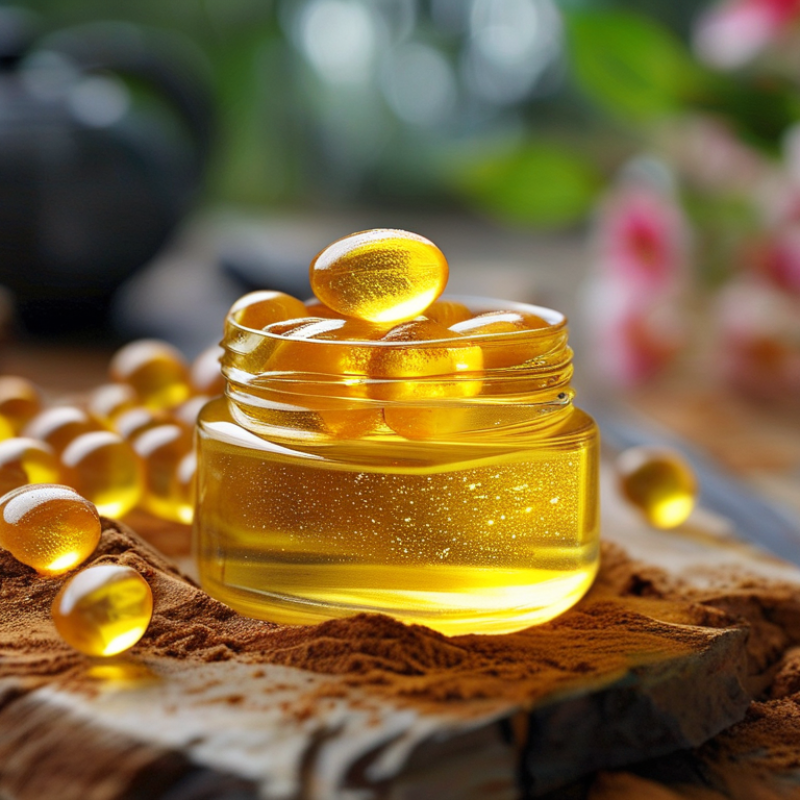
Coenzyme Q10, often called CoQ10, is a powerful antioxidant found in every cell of the body. It plays a crucial role in energy production. This nutrient helps convert food into energy, primarily through its action in the mitochondria. Many people take CoQ10 supplements for various health benefits, including heart health support and improved exercise performance.
Research shows CoQ10 may reduce muscle soreness and fatigue. It can also enhance recovery after intense physical activity. While many benefit from supplementation, it's essential to consult health professionals before starting any new supplement routine. Individual needs can vary significantly based on age, diet, and overall health.
Tips: When choosing CoQ10 supplements, look for reputable sources. Quality matters; check for third-party testing. Keep in mind that not everyone may experience the same results. Some people may need higher doses for noticeable effects. Adjustments may be necessary based on individual responses.
Criteria for Selecting a Reliable Coenzyme Q10 Powder Factory
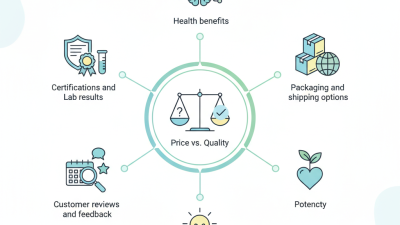
When selecting a reliable coenzyme Q10 powder factory, several key criteria should be considered. Quality control is paramount. Factories must have stringent quality assurance processes in place. This ensures that every batch meets industry standards. Documentation of testing procedures and results is crucial. Transparency in sourcing raw materials also plays a significant role. Factories that prioritize ethical sourcing are often more trustworthy.
Another important factor is production capacity. A factory that can scale its production effectively can meet fluctuating market demands. It’s wise to examine their facilities and equipment. State-of-the-art technology often indicates a commitment to quality and efficiency. Customer feedback can also reveal insights. Positive testimonials may reflect reliability, while frequent complaints can raise red flags.
Certifications are another aspect to investigate. Look for certifications from recognized industry organizations. These credentials often signify adherence to best practices. However, it’s essential to balance certifications with real-world performance. Some factories may have certifications but still produce variable quality. Engaging with local distributors can provide additional insights into the factory's reputation. Ultimately, due diligence is crucial in this decision-making process.
Top 10 Coenzyme Q10 Powder Factories for Global Buyers
| Factory Location |
Production Capacity (kg/month) |
Quality Certifications |
Export Experience (Years) |
Customer Reviews (Rating) |
| China |
5000 |
GMP, ISO 9001 |
10 |
4.5/5 |
| USA |
3000 |
FDA, NSF |
15 |
4.8/5 |
| Japan |
4000 |
JAS, ISO 14001 |
20 |
4.6/5 |
| Germany |
6000 |
EU GMP, ISO 22000 |
12 |
4.7/5 |
| Italy |
2500 |
FSSC 22000, ISO 45001 |
8 |
4.3/5 |
| India |
2000 |
ISO 9001, WHO GMP |
10 |
4.2/5 |
| South Korea |
4500 |
KFDA, ISO 13485 |
7 |
4.4/5 |
| Brazil |
2800 |
ANVISA, ISO 9001 |
5 |
4.0/5 |
| France |
3200 |
HACCP, ISO 9001 |
9 |
4.5/5 |
| Indonesia |
1800 |
ISO 9001, HALAL |
6 |
4.1/5 |
Top Coenzyme Q10 Powder Manufacturers in the Global Market
Coenzyme Q10, or CoQ10, is a vital nutrient for our cells. It significantly contributes to energy production and acts as an antioxidant. Due to its numerous health benefits, the demand for CoQ10 powder continues to grow globally. Buyers today need reliable sources and trustworthy manufacturers for high-quality products.
When selecting a CoQ10 powder manufacturer, consider their experience in the industry. A knowledgeable factory with a solid track record can assure buyers of consistent quality. Look for certifications, such as GMP or ISO, which reflect adherence to safety and quality standards. Many manufacturers focus on transparent sourcing and advanced extraction methods. Yet, some may not disclose their practices. Research and communication are crucial for quality assurance.
In addition, consider the geographical location of the manufacturers. Those in regions known for quality natural resources may offer superior products. Technological innovation also plays a role. Efficient production processes can influence potency and purity. However, not all factories invest sufficiently in improving their methods. Continuous evaluation of the manufacturers helps buyers avoid potential disappointments.
Top 10 Coenzyme Q10 Powder Factories for Global Buyers
Comparison of Production Techniques Used in Coenzyme Q10 Factories
Coenzyme Q10 (CoQ10) is a vital antioxidant used in various industries, from dietary supplements to cosmetics. Factories producing CoQ10 utilize different production techniques that significantly affect quality and cost. The two primary methods are fermentation and chemical synthesis.
Fermentation is a more natural method, typically using yeast or bacteria. This approach is widely recognized for producing high-quality CoQ10. Research indicates that fermentation can yield over over 100g of CoQ10 per liter in optimal conditions. However, equipment costs and longer production cycles can lead to higher prices.
On the other hand, chemical synthesis offers a more cost-effective solution. While it can be faster, the purity of CoQ10 might suffer. This method generally results in lower yields, often falling below 50g per liter, necessitating more extensive purification processes.
Moreover, the global market constantly evolves, influenced by technological advancements and consumer preferences. Recent reports indicate a growing demand for naturally sourced CoQ10, pushing factories to adapt their techniques.
However, innovation often brings challenges. Balancing production speed, cost efficiency, and product quality remains a delicate task. Companies must refine their methods continually to meet market expectations while ensuring compliance with increasing regulatory standards.
Sourcing and Purchasing Coenzyme Q10 Powder: A Step-by-Step Guide
Sourcing coenzyme Q10 powder can be a challenging endeavor. Start by understanding your specific needs. Do you require raw powder or a specific formulation? Research the available forms of coenzyme Q10. Some buyers may prefer powder due to its versatility. Others might seek soft gels or capsules. Consider the intended use, whether for dietary supplements or cosmetic applications.
Next, identify potential suppliers. Look for manufacturers with a solid reputation and extensive experience in the field. It’s vital to verify their certifications. Check for quality assurance practices and third-party testing. Visit their facilities if possible. Assess their production methods and adhere to good manufacturing practices. This is an important step for ensuring product reliability.
Engage in direct communication with potential suppliers. This will help clarify your requirements. Ask about their sourcing of raw materials. Some suppliers may not disclose their ingredient origins, raising red flags. It’s also beneficial to request samples for quality assessment. Evaluate the texture, color, and solubility of the coenzyme Q10 powder. Remember, obtaining high-quality products often involves patience and careful evaluation.