10 Essential Tips for Sourcing Wholesale Coenzyme Q10 Powder?
Sourcing wholesale Coenzyme Q10 powder can seem daunting. This essential nutrient has gained popularity for its potential health benefits. With many suppliers available, choosing the right one is critical.
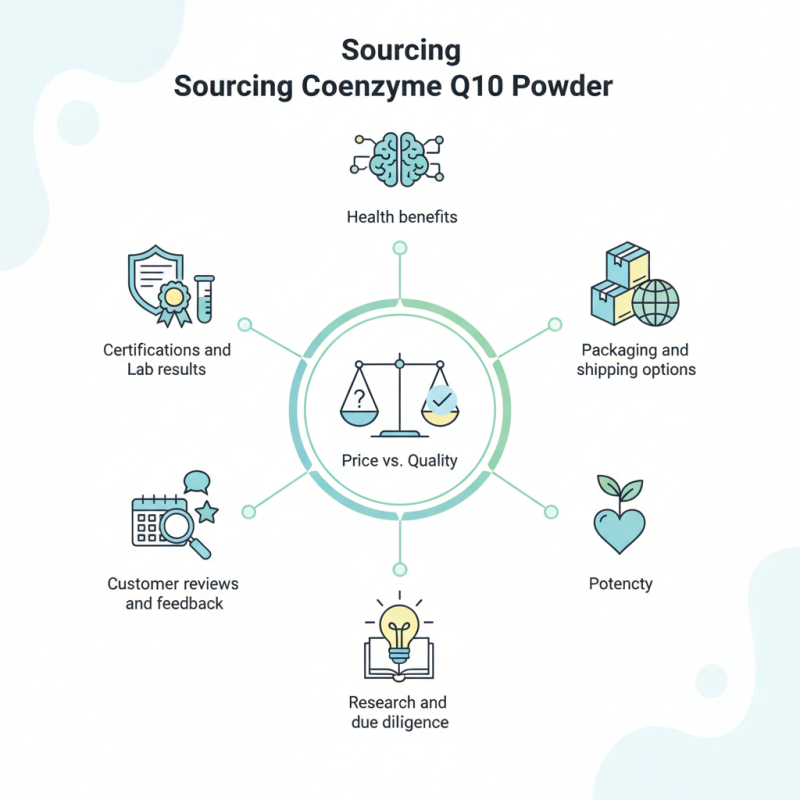
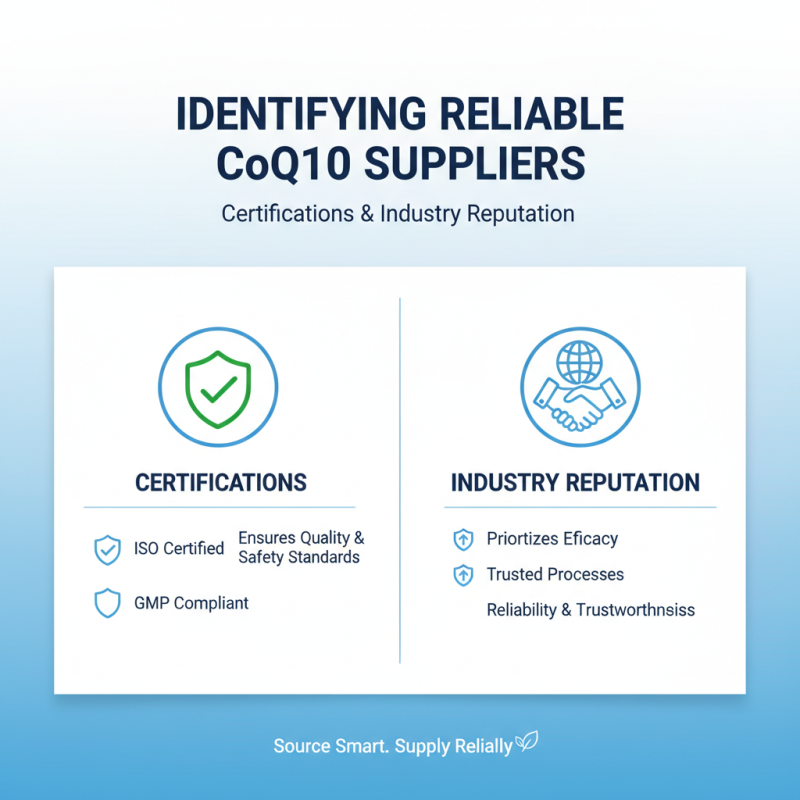
It is important to evaluate their experience and track record in the market. Checking certifications and lab results can help ensure quality. Pay attention to customer reviews and feedback. They offer insights into the reliability of suppliers.
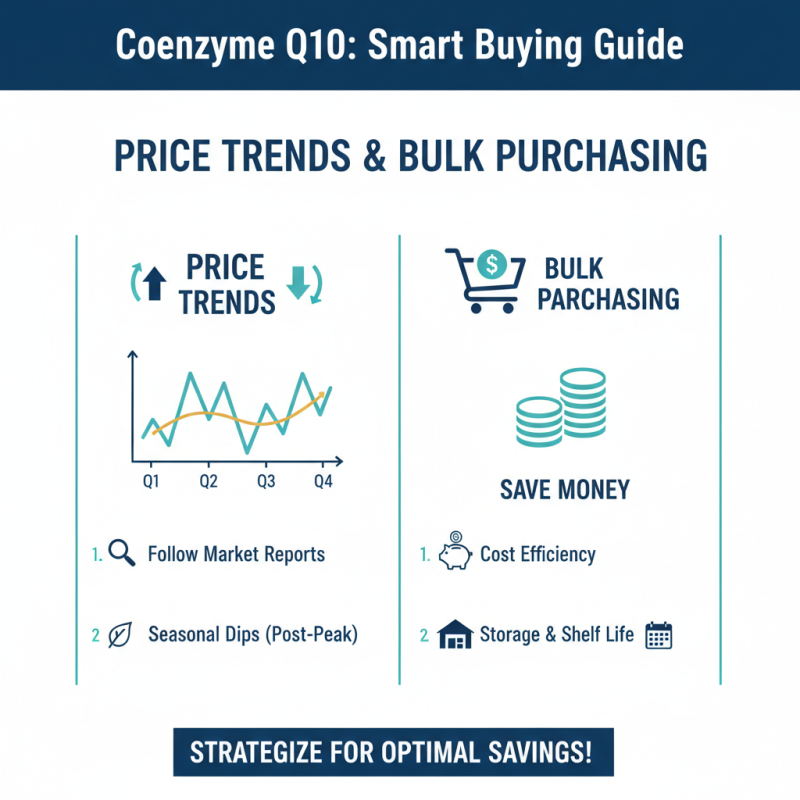
Many buyers overlook the importance of price vs. quality. A lower price may signal inferior products. Also, consider the packaging and shipping options. Proper handling is crucial for maintaining potency. Finding the right supplier requires careful research and due diligence.
Understanding Coenzyme Q10: Its Benefits and Market Demand
Coenzyme Q10, often termed CoQ10, plays a crucial role in energy production within our cells. It acts as a powerful antioxidant, protecting cells from oxidative stress. This makes it popular among those seeking to boost their energy levels and overall health. Many studies suggest that CoQ10 may support heart health, enhance exercise performance, and improve recovery after physical exertion. With an increasing focus on health, the demand for CoQ10 supplements continues to grow.
Understanding the market for CoQ10 is vital for sourcing decisions. As consumer awareness rises, quality and reliability become paramount. Potential wholesalers should consider sourcing from reputable suppliers who prioritize purity and testing. The market is competitive, yet there are growing opportunities for those willing to invest time in research. Some suppliers may not meet industry standards, so thorough vetting is essential. Transparency in sourcing practices can enhance trust with potential customers. Awareness of the evolving market demand can also help wholesalers identify the best buying trends and consumer preferences.
Market Demand for Coenzyme Q10 Powder (in Metric Tons)
This chart illustrates the increasing market demand for Coenzyme Q10 Powder over the past five years. The trend shows a significant growth in demand, reflecting the rising interest in health supplements.
Evaluating Purity Standards and Quality Indicators for Coenzyme Q10 Powder
Evaluating the purity and quality of Coenzyme Q10 powder is essential for sourcing high-grade products. Recent studies indicate that only 50% of Coenzyme Q10 supplements meet the purity standards required for effectiveness. It is crucial to ensure that the product is free from contaminants. Lab testing reports can provide valuable insights. Look for third-party certifications that validate the product's purity and potency.
When assessing Coenzyme Q10 powder, consider its source. The most reliable suppliers offer detailed information about their extraction methods. For instance, fermented Q10 derived from yeast may have higher bioavailability than synthetic alternatives. A notable point is that some batches may vary significantly in quality. Thus, evaluate samples whenever possible before committing to larger orders.
Tip: Always request a Certificate of Analysis (CoA). This document confirms the product’s potency levels. Transparency in testing results reflects a reputable supplier. Another critical aspect is the stability of the powder. Ensure that the product is stored under appropriate conditions to maintain its efficacy. Some sources may not specify this, which can lead to degradation over time.
Navigating Import Regulations and Compliance for Wholesale Sourcing
Navigating import regulations is crucial when sourcing wholesale coenzyme Q10 powder. Understanding compliance can save delays and penalties during shipments. A comprehensive report from the Global Health Product Agency states that improper documentation leads to a 30% increase in shipping times. Importers should begin by identifying relevant regulations. Ensure that your suppliers meet industry standards and have the required certifications.
One common tip is to stay updated on customs regulations. Each country has specific rules regarding dietary supplements. For example, in the U.S., coenzyme Q10 is classified as a dietary supplement. This classification requires proper labeling and adherence to safety standards. Failure to comply can lead to product recalls, which is costly and damaging.
Consider the importance of reliable sources when sourcing. Look for suppliers who can provide transparent information about their product's origin. Third-party testing for purity and concentration can add an extra layer of assurance. Data from industry analysis highlights that 70% of consumers prefer products that are third-party verified. This demonstrates the need for accountability and quality assurance.
Don’t underestimate the importance of logistics partners. Efficient transportation plans can streamline the supply chain. Engage with logistics teams that specialize in dietary supplements. They will be familiar with regulatory hurdles and can help you navigate them effectively.