Top 10 Benefits of Refined Locust Bean Gum for Global Buyers?
In the world of food additives, "Refined Locust Bean Gum" stands out for its unique properties. Dr. Emily Tran, a renowned food scientist, once stated, "Refined Locust Bean Gum is revolutionizing texture in the food industry." Her insights highlight the evolutionary role this ingredient plays in enhancing product appeal.
Refined Locust Bean Gum, derived from the seeds of the carob tree, offers numerous benefits. For global buyers, its thickening and gelling capabilities are indispensable. This natural hydrocolloid improves viscosity in various food products, making it a preferred choice. Many manufacturers appreciate its compatibility with diverse formulations.
However, not all applications may benefit equally from Refined Locust Bean Gum. Some users may need to experiment to find optimal usage levels. Its cost-effectiveness and performance reliability are compelling, yet some manufacturers hesitate due to unfamiliarity. Overall, understanding its unique properties can lead to better product outcomes and innovation in textures and stability. As the industry evolves, further exploration into this ingredient's potential remains crucial.
Understanding Refined Locust Bean Gum: A Comprehensive Overview
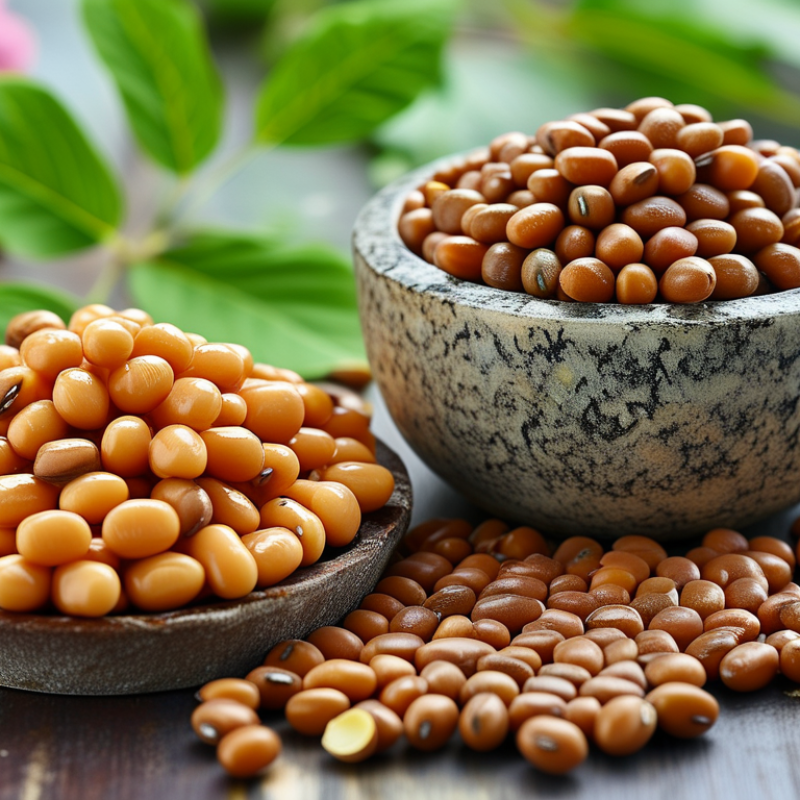
Refined locust bean gum is gaining attention in various industries. It is a natural thickening agent derived from the seeds of the locust bean tree. This gum is often found in food products, cosmetics, and pharmaceuticals. As per industry reports, the demand for refined locust bean gum is projected to grow by 7% annually, highlighting its importance in global markets.
The gum's versatility is noteworthy. It improves texture and stability in food items, making it a popular choice among manufacturers. According to a recent study, it can enhance the mouthfeel of dairy products while reducing fat content. This characteristic aligns with the growing consumer preference for healthier options. In cosmetic formulations, it acts as a binding agent, providing a smooth application. The natural origin of this gum appeals to consumers seeking clean-label products.
However, challenges exist in sourcing and processing refined locust bean gum. The availability of locust bean trees can be inconsistent due to environmental factors. Moreover, there may be regional variations in quality, affecting end products. Buyers should be mindful of these factors when integrating refined locust bean gum into their supply chain. It is crucial to address these potential issues to ensure reliability in product development.
Nutritional Benefits of Refined Locust Bean Gum for Health-Conscious Consumers
Refined locust bean gum (LBG) is gaining popularity among health-conscious consumers for its impressive nutritional benefits. This natural thickener, derived from the seeds of the carob tree, is rich in soluble fiber. Research indicates that soluble fibers can aid in digestion. This is vital for maintaining a healthy gut microbiome, which recent studies link to overall well-being.
In addition, refined locust bean gum has low-calorie content while offering a creamy mouthfeel in foods. According to industry reports, this makes it a favorable ingredient in many products, especially for those conscious of calorie intake. The gum can also help in stabilizing emulsions, enhancing texture without sacrificing health. Its ability to curb appetite is another benefit. Some studies show that soluble fibers can help promote a feeling of fullness, potentially aiding in weight management.
Despite its advantages, it is essential to note that some individuals may experience gastrointestinal discomfort when consuming high amounts of fiber. Moderation is crucial. Ongoing research continues to explore further health benefits, such as its potential role in lowering cholesterol levels. This highlights the need for consumers to understand their own dietary preferences and tolerances as they incorporate refined locust bean gum into their diets.
Applications in Food Industry: Enhancing Texture and Stability
Refined locust bean gum is gaining attention for its applications in the food industry, particularly in enhancing texture and stability. This natural thickening agent is derived from the seeds of the carob tree. It is often used in dairy products, sauces, and dressings. Research indicates that using locust bean gum can improve the mouthfeel of low-fat products, helping to replicate the creamy sensation typically found in higher-fat alternatives.
Studies show that locust bean gum can increase the stability of emulsions. According to a recent industry report, utilizing this gum can reduce the separation of oil and water in salad dressings by up to 30%. This creates a better overall consumer experience. The gum also acts as a gelling agent, which can enhance the texture of jellies and puddings, making them more appealing.
Tip: When formulating products, consider the optimal concentration of locust bean gum. Too much can lead to an unpleasant texture, while too little may not provide the desired stability. Experimenting with different levels can yield the best results.
Another consideration involves sourcing the ingredient. Ensure suppliers provide high-quality refined locust bean gum compliant with food safety standards. Conducting checks on the supplier's reliability can enhance overall product quality and safety.
Top 10 Benefits of Refined Locust Bean Gum for Global Buyers
Economic Advantages for Global Buyers of Refined Locust Bean Gum
Refined locust bean gum (LBG) presents significant economic advantages for global buyers. This natural thickener is derived from the seeds of the carob tree. Its unique gelling properties make it a valuable ingredient in various industries, including food and cosmetics. By incorporating LBG into products, manufacturers can reduce overall costs while enhancing texture and stability.
Buyers often seek reliable sources of LBG to ensure consistent quality. Investing in refined locust bean gum can lead to increased product shelf-life. Additionally, LBG is a vegan alternative to gelatin, appealing to a growing market of health-conscious consumers. Its versatility can lead to innovations in product development. As companies embrace sustainability, the demand for LBG is likely to rise.
However, sourcing LBG isn't always straightforward. Fluctuations in raw material availability can affect prices. Buyers should consider the balance between cost and quality. Research is essential for navigating potential risks in sourcing. Understanding the market landscape will help businesses make informed decisions. Engaging with knowledgeable suppliers can further enhance reliability.
Top 10 Benefits of Refined Locust Bean Gum for Global Buyers
| Benefit |
Description |
Economic Impact |
| Cost-Effectiveness |
Refined locust bean gum is generally less expensive than other thickening agents. |
Lower production costs for manufacturers. |
| Stabilization Properties |
Offers excellent stabilization in various food products. |
Enhanced product quality, leading to higher customer satisfaction. |
| Versatile Applications |
Can be used in dairy, sauces, and bakery products. |
Broader market reach and product diversification. |
| Natural Source |
Derived from the seeds of carob trees, making it natural and organic. |
Attracts health-conscious consumers and premium product lines. |
| Fat Replacement |
Acts as a fat replacer, contributing to lower-calorie formulations. |
Increased competitiveness of low-fat products in the market. |
| Improved Texture |
Enhances mouthfeel and texture in food products. |
Higher product acceptance, leading to increased sales. |
| Shelf Life Extension |
Acts as a preservative, prolonging the shelf life of products. |
Reduction in waste and increased profitability. |
| Gluten-Free Options |
Suitable for gluten-free formulations, catering to dietary restrictions. |
Access to a growing market segment. |
| Eco-Friendliness |
Sourced from sustainable materials, reducing environmental impact. |
Enhances brand reputation among environmentally-conscious consumers. |
| Enhanced Marketability |
Products with refined locust bean gum can be marketed as premium or health-focused. |
Increased sales and profitability due to premium pricing. |
Sustainable Sourcing: Environmental Impact and Ethical Considerations
Refined locust bean gum is gaining attention for its sustainable qualities. Sourced from the carob tree, its harvesting has a lower carbon footprint compared to many other thickeners. Research shows that the production of locust bean gum emits 40% less CO2 than conventional alternatives. This data suggests a significant impact on the environment, appealing to eco-conscious buyers.
However, sustainability comes with challenges. The overharvesting of carob trees can lead to soil degradation. Ensuring sustainable practices is essential. Implementing responsible sourcing ensures long-term viability. Ethical considerations should focus on fair labor practices in producing regions.
Tips:
- Seek suppliers with certified sustainable practices.
- Verify their supply chain transparency.
- Stay informed about updates in environmental regulations.
Sustainable sourcing fosters a responsible marketplace. While locust bean gum has positive attributes, buyers need to be
vigilant. The balance between demand and environmental impact requires careful thought. Regular assessments of sourcing strategies can lead to better outcomes.