Why is Refined Locust Bean Gum Essential in Food and Cosmetic Industries?
Refined Locust Bean Gum has emerged as a crucial ingredient in both food and cosmetic industries. Experts highlight its versatile applications and benefits. Dr. Sarah Thompson, a leading authority in food science, emphasizes, "Refined Locust Bean Gum improves texture and stability in various formulations."
This natural thickening agent not only enhances the mouthfeel of food products but also acts as a stabilizer in cosmetic formulations. Its ability to create desirable viscosity makes it invaluable. Many brands utilize it to cater to health-conscious consumers seeking clean-label products.
However, the sourcing of Refined Locust Bean Gum raises ethical considerations. Sustainable practices must be implemented for responsible harvesting. Industry leaders must reflect on their impact on local ecosystems and communities. The journey of Refined Locust Bean Gum from bean to product is complex, demanding a balance between innovation and responsibility.
Importance of Refined Locust Bean Gum in Food Industry
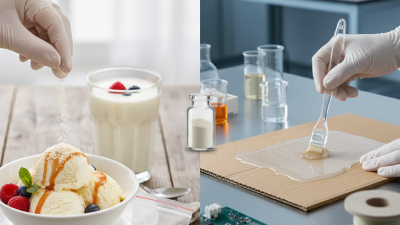
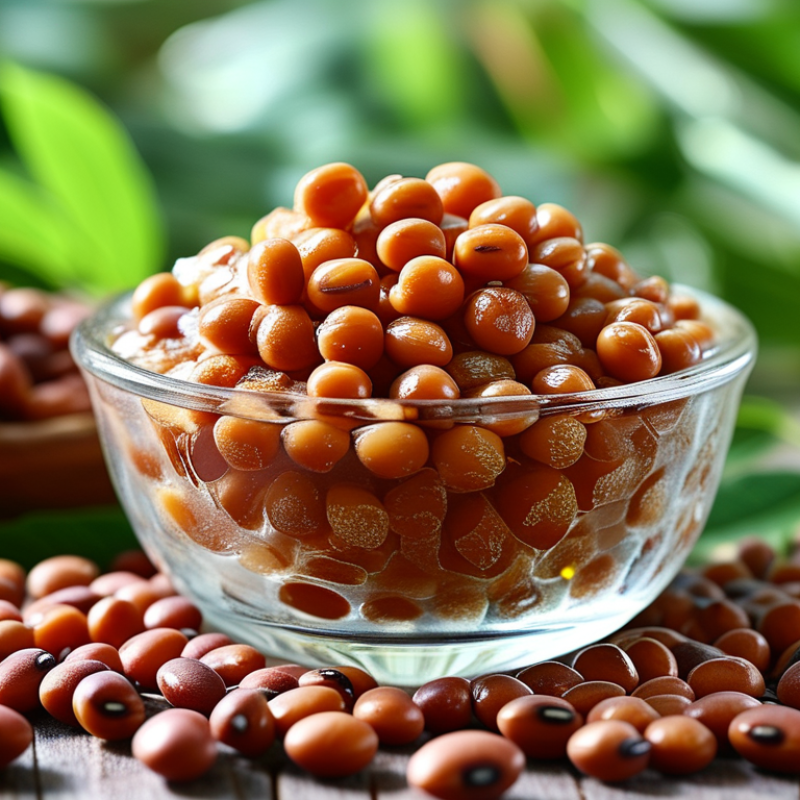
Refined locust bean gum, derived from the seeds of carob trees, holds significant value in the food industry. This natural thickening agent offers a unique property; it enhances texture without altering flavor. According to a report by the International Food Additives Council, its use in dairy products can increase viscosity by up to 50%, making it ideal for products like yogurt and ice cream.
The ingredient is also recognized for its stabilizing abilities. When used in salad dressings and sauces, refined locust bean gum helps maintain consistency. It reduces separation, ensuring that products remain visually appealing and flavorful. The global market for locust bean gum in food applications is projected to grow at a CAGR of 5.2% through 2027. This surge indicates a rising demand for natural additives as consumers increasingly seek cleaner labels.
However, one must consider the sourcing of refined locust bean gum. Sustainability is a critical factor, as excessive harvesting can impact ecosystems. This highlights the importance of responsible sourcing practices to mitigate environmental consequences. In addition, variations in processing methods can lead to inconsistencies in quality. Thus, manufacturers should prioritize quality control to ensure a stable supply chain.
Why is Refined Locust Bean Gum Essential in Food and Cosmetic Industries?
| Application |
Functionality |
Benefits |
Industry |
| Food Thickener |
Provides viscosity and stability |
Improves texture and mouthfeel |
Food Industry |
| Emulsifier |
Stabilizes emulsions |
Enhances shelf-life |
Food Industry |
| Stabilizer |
Prevents separation of ingredients |
Maintains quality during storage |
Food Industry |
| Cosmetic Ingredient |
Thickening agent in creams |
Improves product consistency |
Cosmetic Industry |
| Moisturizer |
Locks in moisture |
Prevents dryness of skin |
Cosmetic Industry |
Functionality of Refined Locust Bean Gum as a Thickening Agent
Refined Locust Bean Gum is gaining attention in food and cosmetic industries.
Its primary role is as a thickening agent. This natural polysaccharide is derived from the seeds of the carob tree.
Its unique structure allows it to easily hydrate and swell in water. This characteristic makes it an ideal choice for creating smooth textures in various products.
In food applications, it enhances the viscosity of sauces, soups, and desserts. The gum provides a creamy mouthfeel without altering the taste. Additionally, it helps stabilize emulsions in dressings and may even extend shelf life.
In cosmetics, it contributes to the thickness and stability of creams and lotions. The gum's ability to hold water makes it suitable for hydrating products.
However, achieving the perfect consistency can be challenging.
Overuse may lead to an undesirable slimy texture, impacting product quality.
While refined locust bean gum offers numerous benefits, its effectiveness depends on precise formulation. Understanding the right concentration is crucial.
Variability in ingredients may also affect its performance. Therefore, ongoing research and testing are vital for optimizing its use. Through careful application, it can enhance the overall quality of food and cosmetic products.
Role of Refined Locust Bean Gum in Cosmetic Formulations
Refined locust bean gum, derived from the seeds of the carob tree, plays a crucial role in cosmetic formulations. Its thickening and stabilizing properties make it a popular ingredient in creams, lotions, and hair products. According to a report by MarketsandMarkets, the global market for locust bean gum is expected to grow significantly, driven primarily by the cosmetic industry. This growth highlights its importance in creating appealing textures and enhancing product performance.
In skincare, refined locust bean gum acts as a natural emulsifier. It helps to blend oil and water-based ingredients effectively, ensuring product stability. Moreover, it provides a luxurious feel on the skin without causing irritation. The Cosmetic Ingredient Review (CIR) has evaluated its safety for use in personal care products, affirming its reliability. Despite its benefits, formulators must remain cautious. Overuse can lead to a sticky texture, which could deter consumers from using the product. Achieving the right balance is key for optimal performance.
Hair care products also benefit from this ingredient. Its ability to retain moisture aids in reducing frizz and enhancing shine. Data from Statista indicates that the demand for moisturizing hair products continues to rise. However, manufacturers should be wary of consumer preferences; some seek lightweight formulations. Striking a balance between moisture and weight is essential for acceptance in the market. Reflecting on these factors can lead to more effective and desirable cosmetic products.
Comparison of Refined Locust Bean Gum with Other Gums
Refined locust bean gum is gaining attention in both food and cosmetic industries. It functions as a thickening agent, stabilizer, and emulsifier. When compared to other gums, it boasts unique properties that can enhance product formulations. For example, it has a higher viscosity compared to guar gum, which is often used in sauces and dressings. This characteristic allows it to create a smooth texture in foods while improving mouthfeel.
Importantly, locust bean gum is plant-based and derived from carob seeds. This makes it a preferable option for those looking for natural ingredients. In contrast, gums like xanthan gum are produced through fermentation. This fermentation process may not appeal to everyone. Furthermore, locust bean gum has a lower gel strength than agar, making it easier to work with in certain recipes.
Tip: Always test small batches when replacing one gum with another. The texture and stability can vary significantly, impacting end products. Also, consider the dietary restrictions of your audience when choosing gelling agents. A more nuanced approach can elevate your formulations, but may require trial and error.
Sustainability and Source of Refined Locust Bean Gum in Industries
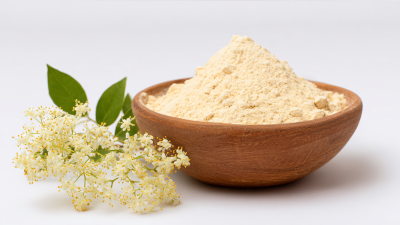
Refined locust bean gum, derived from the seeds of the carob tree, is gaining attention in the food and cosmetic industries. This natural thickening agent is prized for its sustainability. Harvesting locust beans requires minimal resources. It grows in arid regions, thriving without excessive water. This makes it an eco-friendly alternative to synthetic additives.
The source of refined locust bean gum is also significant. It is often sourced from small farmers who maintain traditional farming practices. This ensures a lower environmental impact compared to mass-produced ingredients. The local supply chains support communities and foster economic stability. However, challenges remain. Consistency in quality can vary between harvests, leading to potential issues in product formulation.
Despite its benefits, refined locust bean gum is not without criticism. Some argue that reliance on a single crop can lead to vulnerabilities. Additionally, the processing methods may vary, affecting its end-use performance. Meeting industry standards while maintaining sustainability is ongoing work. Stakeholders must navigate these complexities to ensure reliability in their products.
Usage of Refined Locust Bean Gum in Food and Cosmetic Industries
The chart above illustrates the distribution of refined locust bean gum usage in the food and cosmetic industries. As seen, a significant majority (70%) is utilized in food applications, while the cosmetic sector accounts for 30%. This highlights the essential role of refined locust bean gum in ensuring product quality and sustainability across both industries.