7 Tips for Choosing a Fish Collagen Factory?
Choosing a reliable Fish Collagen Factory requires more than comparing price lists. Quality begins with raw materials, processing controls, and evidence that buyers can verify.
The FAO’s The State of World Fisheries and Aquaculture 2024 reported 185.4 million tonnes of global fisheries and aquaculture production in 2022. About 89% of aquatic animals supported direct human consumption. This scale creates valuable collagen sources, but it also increases the need for traceability. A responsible factory should identify species, harvest regions, and by-product handling methods. Those details matter when skin, scales, or bones become the starting material for collagen peptides.
Market data also explains the growing attention. Grand View Research has identified rising demand for collagen in food, supplements, cosmetics, and healthcare applications. However, market growth does not prove that every supplier offers consistent quality. A factory tour, laboratory report, and production record can reveal more than a polished brochure.
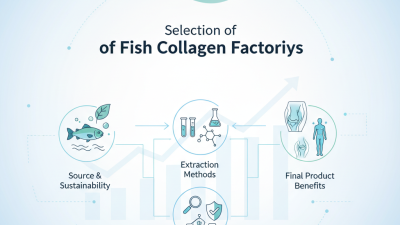
This guide presents seven practical tips for evaluating a Fish Collagen Factory. It examines extraction technology, hydroxyproline testing, molecular-weight control, allergen management, and certification systems such as HACCP, GMP, and ISO 22000. It also considers sustainability documents, sample consistency, packaging conditions, and communication after purchase.
No factory is perfect. Some suppliers may provide excellent testing but limited customization. Others may offer flexible formulas while lacking transparent sourcing records. That trade-off deserves careful review. Buyers should compare verified evidence, not promises. Reports from FAO, Grand View Research, and independent laboratories can support better decisions, but they cannot replace direct supplier evaluation.

Define Your Fish Collagen Product Requirements
Before contacting a fish collagen factory, define the product on paper.
Vague requests such as “premium collagen” invite inconsistent quotations. State the fish species, tissue source, collagen type, hydrolysis method, target molecular weight, and protein content. Also set limits for moisture, ash, heavy metals, microbiological counts, and allergens. Decide whether the powder needs a neutral taste, low odor, rapid solubility, or heat stability. These choices affect formulation, testing, and cost. Do not leave them to a sales conversation.
Your requirements should include traceability from raw material to finished batch.
Ask for the country of origin, harvesting details, processing records, and storage conditions. Request current certificates of analysis, laboratory methods, and sample test results. A reliable factory should explain how it verifies identity, purity, and contamination risks. Check whether its quality system matches your target market’s requirements. Documentation matters more than polished presentations.
Specify packaging size, shelf-life expectations, moisture protection, minimum order quantity, and delivery conditions.
Request a pilot sample before approving a large order. Test its odor, dissolution time, color, and performance in your actual formula. I once treated solubility as a minor detail; it later affected mixing efficiency. That was a preventable mistake. Leave room for revision, because an attractive specification can still fail during production.
Verify the Factory’s Raw Material Sources
7 Tips for Choosing a Fish Collagen Factory: Verify the Factory’s Raw Material Sources
Raw material verification should begin before a factory shows its collagen powder. Ask where the fish came from, how they were harvested, and which species were used. The FAO reported 185.4 million tonnes of global fisheries and aquaculture production in 2022. This scale makes vague sourcing claims difficult to trust (FAO, The State of World Fisheries and Aquaculture 2024).
Request batch-level documents, not general statements. A reliable factory should provide supplier records, landing or farm information, harvest dates, and transport details. Check whether the raw material comes from skin and scales collected as documented by-products. Traceability must connect the incoming material to the final collagen batch. One missing link matters.
Inspect recent test reports for heavy metals, microbiological safety, species identity, and prohibited residues. Independent laboratory testing adds useful evidence, especially when certificates look unusually old. Ask to compare the report number with the production batch. Small details reveal process quality. I would also request a controlled factory visit, if possible, and observe chilled storage, labeled containers, and cleaning records. A certificate alone is not enough. Factories may present good paperwork while their daily handling remains inconsistent. That uncomfortable possibility deserves attention. Compare at least two production batches before approving a supplier.
Evaluate Manufacturing Standards and Certifications
When choosing a fish collagen factory, manufacturing standards deserve closer attention than polished sales materials. A valid certification should name the facility, production scope, and current expiration date. Look for GMP, HACCP, and ISO 22000 systems where appropriate. These frameworks show controlled hygiene, hazard analysis, and documented food-safety procedures. Still, certificates alone can mislead. They are evidence, not a complete investigation.
Ask for recent audit reports, corrective-action records, and the auditor’s accreditation details. A credible factory can explain how it separates raw fish materials from finished collagen. Check receiving logs, temperature records, cleaning schedules, and employee training files. Traceability should work in both directions. One lot number should connect to species, source, processing date, and shipment. Request independent tests for heavy metals, microbes, residual solvents, and prohibited contaminants. Review the method, laboratory qualification, sampling date, and acceptance limits. A colorful certificate means little without matching batch records.
If possible, inspect the site or arrange a live remote audit. Observe sealed containers, clear floor markings, calibrated instruments, and controlled water systems. Ask who approves deviations and how quickly problems are contained. I have seen suppliers present excellent documents but answer basic traceability questions slowly. That hesitation deserves attention. I also used to overvalue the newest certificate. A longer history of consistent testing may be more convincing. However, records can still contain gaps. Compare several batches, not one perfect report. Confirm that export documents and local food regulations match the factory’s actual process. Independent technical advice can help when claims sound unusually broad.
Assess Product Quality, Testing, and Traceability
7 Tips for Choosing a Fish Collagen Factory
Assess Product Quality, Testing, and Traceability
A reliable factory should show the fish species, harvest area, and processing date. Ask for batch-level records, not general promises. FAO’s State of World Fisheries and Aquaculture 2024 reports 185.4 million tonnes of aquatic animals were produced in 2022. That scale makes origin control essential. Species substitution can remain hidden without documented supply-chain checks.
Review the factory’s quality system and laboratory evidence. Testing should cover collagen content, moisture, microbiological safety, heavy metals, allergens, and prohibited contaminants. Request accredited laboratory reports with methods, detection limits, and batch numbers. WHO estimates that contaminated food causes 600 million illnesses and 420,000 deaths each year. Clean-looking powder proves little. A certificate alone is not enough.
Inspect production areas personally, if possible. Watch the raw-material reception, cold storage, cleaning records, and packaging controls. Confirm whether the facility follows HACCP principles and a certified food-safety system, such as ISO 22000. Check recall procedures and sample-retention policies. Trace one finished carton back to a fishing record. I would also question unusually perfect results; real testing sometimes reveals variation. A factory that explains problems clearly may be more dependable than one offering flawless paperwork.
Compare Capacity, Communication, and Long-Term Support
Choosing a fish collagen factory requires more than checking a production figure. Capacity must match your forecast, batch size, and seasonal demand. The FAO’s State of World Fisheries and Aquaculture 2024 reported 185.4 million tonnes of aquatic animal production in 2022. This scale supports raw-material availability, but it does not guarantee consistent collagen quality.
Ask for verified monthly capacity, not only annual output. Review recent batch records, raw-material origin, extraction yield, and lead times. Grand View Research estimated the global collagen market at USD 9.12 billion in 2022, with projected growth through 2030. Fast growth can pressure suppliers. Bigger is not always safer.
Communication becomes visible during small problems. Can the factory explain a delayed shipment in one working day? Does it provide test methods, certificates of analysis, allergen controls, and change notifications? During audits, I would compare laboratory results with production records. I would also ask for a named technical contact. Emails without ownership waste time.
Long-term support should include stability data, formulation advice, complaint handling, and corrective-action reports. FAO food-safety guidance consistently emphasizes preventive controls and traceability across the supply chain. A supplier should trace one collagen lot back to its fish source and processing date. This is practical evidence.
Some factories promise flexible capacity but require high minimum orders. That mismatch is easy to miss. Request a pilot batch and review three consecutive lots before scaling. No factory is perfect. The important question is whether its team admits weaknesses, documents them, and improves them.