How to Choose the Best Fish Collagen Factory for Your Needs?
Selecting the right Fish Collagen Factory is crucial for quality and effectiveness. A well-chosen factory can significantly influence the final product's benefits. According to a recent report by Market Research Future, the global fish collagen market is expected to reach USD 1.3 billion by 2027, underscoring the growing demand for this supplement.
Dr. Emily Chen, a leading expert in marine biotechnology, emphasizes, “The quality of collagen directly relates to the source and processing methods used in fish collagen factories.” This statement highlights the importance of factory standards and practices in producing high-quality collagen. Fish collagen has unique benefits, particularly for skin, joint health, and overall wellness.
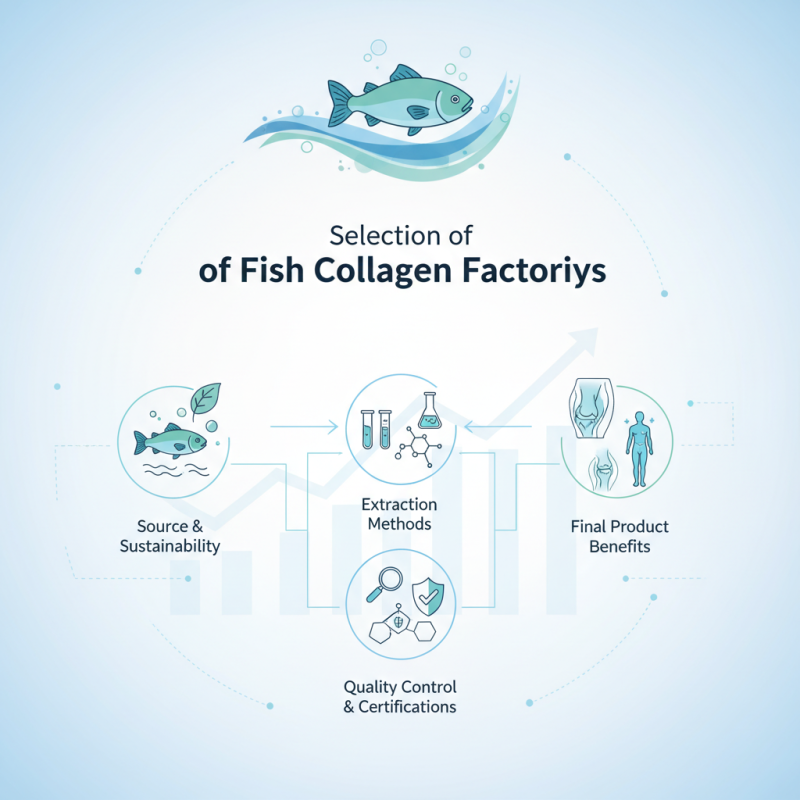
However, not all factories adhere to stringent quality controls or use sustainable practices. Some may cut corners to reduce costs, potentially affecting the final product. Prospective buyers should thoroughly research and assess various factories. Understanding their sourcing, extraction methods, and certifications can reveal much about their standards. Investing time in this process can lead to better choices that align with health goals.
Identifying Your Specific Fish Collagen Requirements
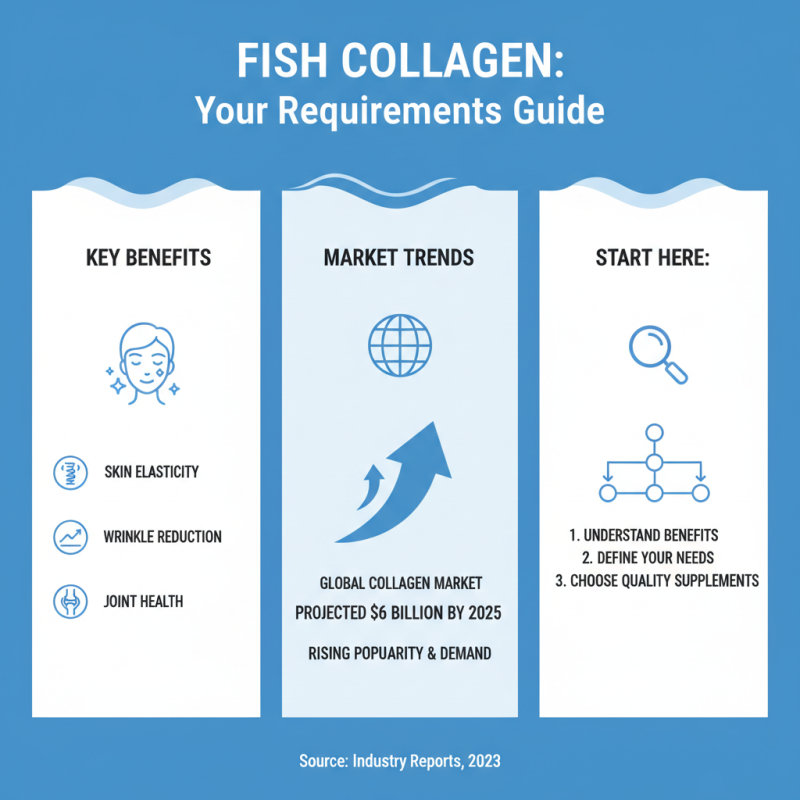
Identifying your specific fish collagen requirements begins with understanding the benefits that fish collagen can offer. Studies indicate that fish collagen may enhance skin elasticity, reduce wrinkles, and promote joint health. The global collagen market is projected to reach $6 billion by 2025, underscoring its rising popularity and demand.
When seeking the right fish collagen factory, consider your personal goals. Are you interested in beauty, wellness, or both? The source of the collagen, such as fish species and extraction methods, can influence its effectiveness. A report from Grand View Research highlights that Type I collagen, primarily derived from fish scales and skin, is highly biodigestible and valued for its skin benefits.
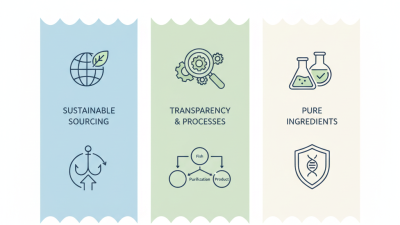
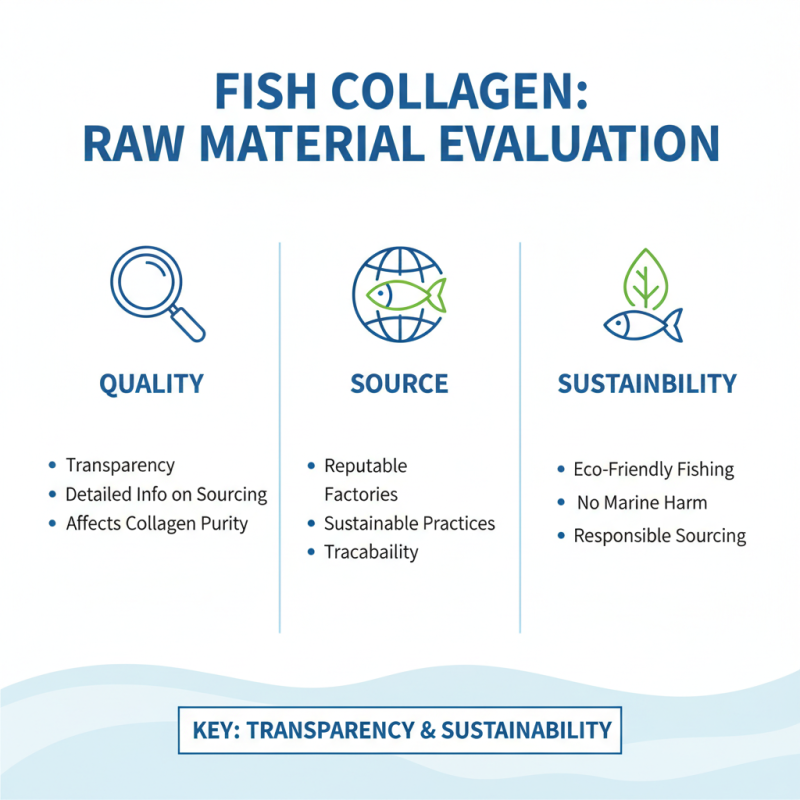
It's crucial to assess the quality standards of potential suppliers. Not all factories maintain the same level of quality assurance. Certifications like ISO or GMP can indicate reliability. Transparency in sourcing and production processes is essential. Engaging suppliers on their practices can reveal their commitment to quality, although some may not disclose detailed information. This gap can leave potential buyers in a challenging position. Without thorough research, one might miss the ideal collagen source tailored to unique needs.
Researching the Reputation of Fish Collagen Factories
When researching fish collagen factories, reputation plays a crucial role. Many consumers overlook this aspect, yet it can significantly influence product quality. A report from Grand View Research indicates that the global fish collagen market size is expected to reach $898 million by 2025. This growth demonstrates rising consumer interest in high-quality collagen supplements.
Investigating a factory's reputation is essential. Look for reviews and testimonials from industry experts. Platforms like Trustpilot or Google Reviews can provide insight. Additionally, reputable factories often publish certifications or lab test results that validate their claims. You might discover that not all factories meet these standards. Some may lack transparency about sourcing and processing methods.
Consider the factory's history and customer service. Factories with long-standing experience tend to have better expertise. It's not just about the product; how they handle inquiries is telling. Are they responsive and informative? A lack of communication can be a red flag. Finding reliable information may take more time, but the effort can lead to better choices in quality collagens.
Assessing Manufacturing Processes and Certifications
When selecting a fish collagen factory, manufacturing processes are crucial. Look for facilities that prioritize quality and safety. This ensures that the collagen produced is effective and safe for consumption.
Certifications play an important role as well. Factories should obtain third-party certifications, like GMP or NSF. These credentials reflect rigorous testing and adherence to industry standards. This reduces the risk of contamination and ensures product integrity.
Not all factories meet high standards. Some may cut corners in production, resulting in lower quality products. Regular audits and transparent practices foster trust. When assessing potential suppliers, ask about their processes and certifications. Transparency is key in choosing a reliable source of fish collagen.
Comparing Pricing and Customer Support Options
When selecting a fish collagen factory, pricing and customer support are vital factors. Prices can vary significantly between manufacturers. It's crucial to compare these prices while considering the quality of the products. Cheaper options might compromise the purity or sourcing of the collagen. Always examine what you're getting for your money. Sometimes, investing a bit more ensures higher-quality collagen that can provide better health benefits.
Customer support plays an essential role in your experience. Look for factories that offer clear communication. A responsive support team can help with inquiries about the product. It’s wise to assess their response times and how they handle complaints. A factory that values customer service will likely prioritize quality and transparency. This relationship can help you feel more secure about your purchase.
Take the time to research reviews of various factories. Customers often share insights about their experiences. You may notice patterns that indicate reliability or issues. Trustworthy factories often have consistent positive feedback. While there may be some negative reviews, look for balanced perspectives. Reflecting on this feedback can guide you in making better choices.