Leave Your Message
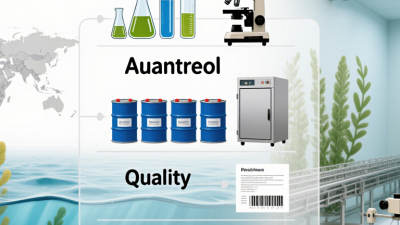
Buying Chlorella Cgf in bulk can lower unit costs, but a large order also magnifies small sourcing mistakes. A bright green powder in a sealed sample jar tells only part of the story. Buyers should verify the species, production method, lot traceability, and storage guidance before comparing price per kilogram. Ask for a current certificate of analysis and check that its lot number matches the product offered. Details matter.
This guide introduces seven practical checks for assessing suppliers, product documentation, sample quality, packaging, and delivery terms. It also explains why comparing prices alone can be misleading: different specifications or testing scopes may sit behind similar-looking offers. A certificate is useful, not magic. Review its date, laboratory details, and reported results, and ask which contaminants were tested. Consider minimum order sizes, expected lead times, and how the supplier handles changes between production lots. These points can help buyers plan purchases with fewer surprises.
A sample can reveal color, texture, and handling issues, but it cannot confirm every specification. That requires reliable records and, where appropriate, suitable testing. Even experienced buyers can overlook a detail when a quote looks attractive. A little hesitation is sensible. The tips ahead offer a grounded way to compare options, ask clearer questions, and decide whether a bulk order fits your needs.

Chlorella CGF usually refers to a water-soluble extract made from chlorella, not the complete algae. The extract may contain nucleic-acid components, peptides, amino acids, and other soluble compounds. Its exact composition depends on the source and processing method. Whole-biomass powder is different: it generally contains the algae’s cell material, including nutrients associated with the intact cells. That distinction matters.
When comparing bulk offers, check whether the material is an extract or simply powdered chlorella. Ask for the extraction method, carrier ingredients, and a specification sheet for the current lot. Request recent test results for identity, microbial quality, and relevant contaminants. A certificate of analysis helps, but it should identify the tested batch and use methods appropriate to the product. Ask for specifics.
The term “CGF” can be used inconsistently, so a label alone may not tell you what is inside. Even careful buyers can find supplier descriptions less precise than expected. Compare measurable details, such as extract ratio or listed composition, rather than relying on broad claims. Do not assume that two products with the same name are interchangeable. A small sample can reveal practical differences in color, odor, solubility, and handling before a large order is placed.
| Tip | What to Verify | Why It Matters | Practical Buying Check |
|---|---|---|---|
| 1. Define “CGF” before comparing quotes | Ask whether the product is a Chlorella Growth Factor (CGF) extract, whole Chlorella biomass, or a blend. CGF is a commonly used name for a Chlorella-derived extract; it is not one single, universally standardized molecule. | Products sold under similar descriptions may have different compositions and processing histories. | Request a written product definition, ingredient statement, and manufacturing-process summary. |
| 2. Distinguish extract from whole biomass | Whole biomass is the harvested algal material, typically dried and milled. A CGF extract is a fraction separated from biomass through processing; its composition depends on the extraction and subsequent steps. | The two forms are not interchangeable. Whole biomass includes cellular material, while an extract has a different profile and may contain less of some whole-cell components. | Check the specification and label for the material form, extraction description, and any carriers or added ingredients. |
| 3. Request a batch-specific specification | Review identity, appearance, moisture, relevant compositional measures, microbiological limits, and contaminant limits. The appropriate tests depend on the product and its intended use. | A general product brochure does not show whether a particular bulk lot meets its stated requirements. | Obtain the specification for the quoted grade and confirm that acceptance criteria are stated with units and test methods where applicable. |
| 4. Verify testing and traceability | Ask for a certificate of analysis (COA) tied to the lot number, plus details of sampling and testing. Depending on origin and use, relevant checks may include heavy metals, microbiology, and other risk-based contaminants. | Results are most useful when they can be linked to the delivered batch and interpreted against defined limits. | Confirm the COA date, lot number, methods, units, and whether testing was performed by an independent laboratory when required by your quality program. |
| 5. Compare process and composition claims carefully | For an extract, ask how it is produced and which components are measured. Claims about nucleic acids, peptides, or polysaccharides should be supported by clear analytical definitions and results. | Extraction conditions can affect the resulting material, and marketing terms alone do not establish a consistent composition. | Compare like with like: same material form, measurement basis, test method, and reporting units. |
| 6. Check bulk handling and shelf-life details | Review packaging material, pack size, storage conditions, retest or expiry dating, and protection from moisture, heat, and light as specified for the product. | Storage and packaging requirements can affect quality during transport and after a bulk container is opened. | Request the recommended storage conditions and confirm that the shipment format fits your receiving and storage setup. |
| 7. Confirm regulatory and intended-use fit | Check the applicable food, supplement, or other product requirements in the destination market, including permitted use, labeling, documentation, and import rules. | Requirements vary by jurisdiction and intended application; supplier statements do not replace your own compliance review. | Before placing a bulk order, have your quality or regulatory team review the ingredient identity, documentation, and planned use. |