2025 How to Use Spermidine Trihydrochloride for Longevity and Health Benefits
As the pursuit of longevity and enhanced health gains momentum, the exploration of natural compounds has taken center stage. One such promising candidate is Spermidine Trihydrochloride, a naturally occurring polyamine that plays a critical role in cellular processes. Research indicates that spermidine may modulate autophagy, a vital mechanism for cellular repair and maintenance, thus potentially contributing to longevity. A study published in the journal "Nature Medicine" highlights that spermidine intake has been associated with a 15% reduction in mortality risk, underscoring its significance in health and longevity.
In addition to its potential lifespan-extending properties, Spermidine Trihydrochloride is linked to various health benefits including improved cardiovascular health and enhanced cognitive function. The International Journal of Molecular Sciences reported that spermidine supplementation may help protect against age-related cognitive decline, offering a dual approach to maintaining both physical and mental wellness as we age. As global populations increasingly seek effective strategies for healthy aging, understanding how to effectively utilize Spermidine Trihydrochloride could play a crucial role in optimizing health outcomes and promoting longevity in the coming years.

Understanding Spermidine Trihydrochloride and Its Role in Health
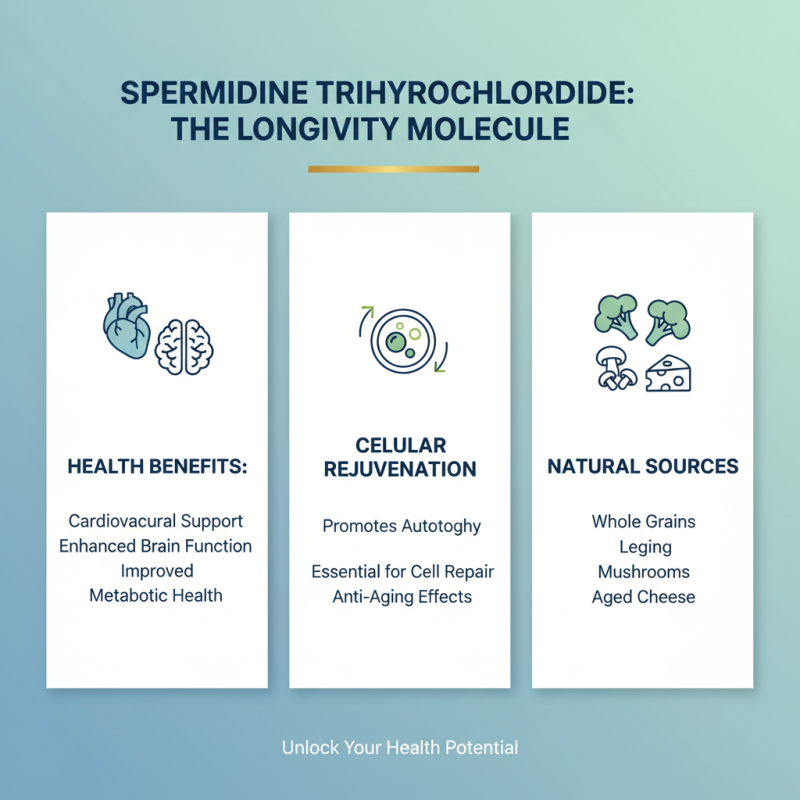
Spermidine trihydrochloride is gaining attention for its potential health benefits and role in promoting longevity. As a naturally occurring polyamine, spermidine is found in various foods and is involved in cellular processes such as autophagy, which is essential for maintaining cellular health and reducing the effects of aging. Research indicates that increasing spermidine intake may support cardiovascular health, enhance brain function, and improve overall metabolic health, contributing to a longer, healthier life.
**Tips: Incorporating Spermidine into Your Diet**
One of the simplest ways to boost spermidine levels is through dietary choices. Foods such as aged cheese, mushrooms, legumes, and whole grains are excellent sources of spermidine. Incorporating these foods into your daily meals not only increases your spermidine intake but also enriches your diet with essential nutrients. Consider adding some sautéed mushrooms to your salads or enjoying a slice of aged cheese as a snack to harness these benefits.
Another effective approach is to focus on lifestyle choices that promote autophagy, such as intermittent fasting and regular physical activity. Engaging in these practices may enhance the body’s ability to utilize the benefits of spermidine, ultimately leading to greater health outcomes. By combining dietary sources of spermidine with healthy lifestyle habits, you can maximize its potential.
Mechanisms of Spermidine Trihydrochloride in Promoting Longevity
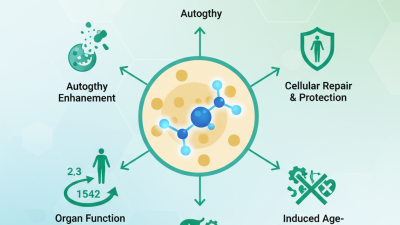
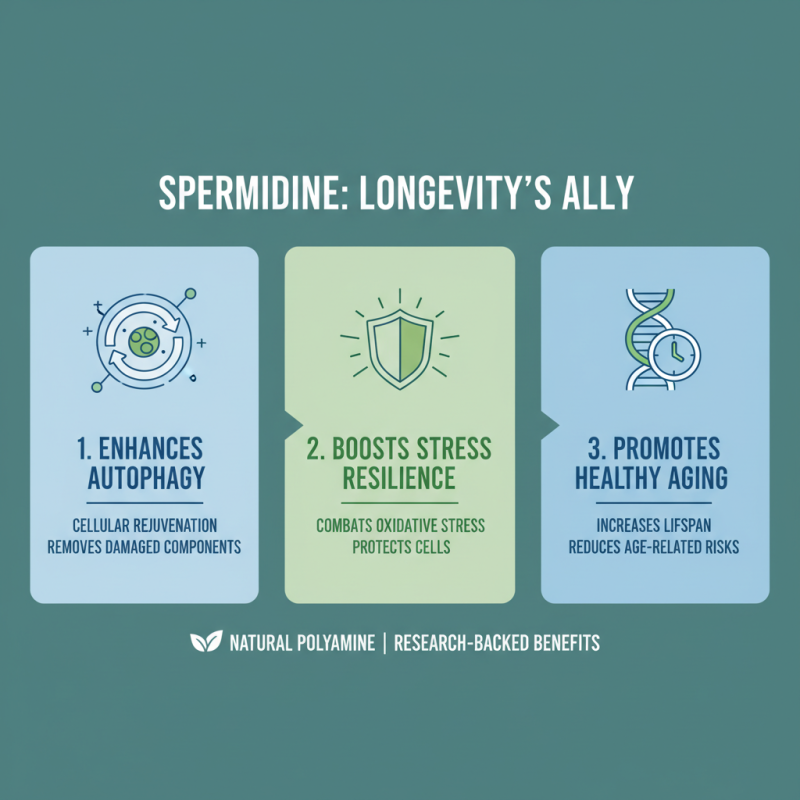
Spermidine trihydrochloride, a naturally occurring polyamine, has emerged as a prominent compound in the field of longevity research. Its mechanisms for promoting health and lifespan extension involve several biological pathways. Primarily, spermidine acts through autophagy, the cellular process that removes damaged organelles and proteins. By enhancing autophagy, spermidine contributes to cellular rejuvenation, reducing the risks of age-related diseases. Additionally, studies have shown that spermidine influences cellular stress responses, promoting resilience in the face of environmental challenges and reducing oxidative stress, which is a major contributor to aging.
To harness the potential benefits of spermidine trihydrochloride, consider these tips: First, incorporate a diet rich in spermidine sources such as whole grains, legumes, and various vegetables. These natural food sources are not only beneficial but also provide other essential nutrients. Second, maintaining a regular eating schedule can further enhance autophagy. Intermittent fasting, in particular, can synergize well with spermidine supplementation, promoting longevity by encouraging the body’s own repair mechanisms. Lastly, always consult with a healthcare professional before starting any new supplements to ensure they align with your health needs and goals.
Recommended Dosages and Forms of Spermidine Trihydrochloride
Spermidine trihydrochloride, a naturally occurring polyamine found in various foods, has gained attention for its potential health benefits, particularly in terms of longevity. Studies suggest that spermidine can promote autophagy, a process that helps cells eliminate dysfunctional components, thus playing a crucial role in cellular rejuvenation and health. According to a report published by the Journal of Nutritional Biochemistry, dietary spermidine intake is associated with enhanced lifespan in model organisms, indicating its significant role in promoting longevity.
When considering the recommended dosages, research indicates that a daily dose of around 1-5 mg of spermidine can be beneficial for health maintenance. Alternative forms of spermidine trihydrochloride, such as supplements, have also become popular, especially in formulations that optimize bioavailability. A comprehensive review highlighted that higher doses may further enhance autophagic processes, though individual needs can vary based on factors like age, lifestyle, and dietary intake. It is crucial for individuals interested in supplements to consult healthcare professionals to determine the most appropriate form and dosage tailored to their unique health requirements.
Potential Health Benefits of Spermidine Trihydrochloride Supplementation
Spermidine trihydrochloride is gaining attention in the realm of dietary supplements for its potential longevity and health benefits. Research has suggested that spermidine, a naturally occurring polyamine, could play a significant role in promoting cellular health and longevity through its effects on autophagy. A study published in the journal "Nature Medicine" indicated that spermidine supplementation can increase lifespan in various organisms, including yeast, flies, and mice, highlighting its potential as a geroprotective agent.
The health benefits of spermidine trihydrochloride supplementation extend beyond just longevity. The compound has been linked to a range of positive health outcomes. For instance, a report by the American Journal of Clinical Nutrition noted that higher dietary spermidine intake is associated with a reduced risk of cardiovascular diseases, as it promotes heart health by improving endothelial function and reducing inflammation. Moreover, researchers from the University of Vienna found that spermidine may support cognitive function, offering protective effects against neurodegenerative diseases like Alzheimer’s through its role in neuronal health and resilience.
These promising findings underline the significance of spermidine trihydrochloride as a supplement for enhancing overall health and potentially extending lifespan. With ongoing research, the scientific community continues to explore its myriad benefits, suggesting that spermidine supplementation could be a pivotal advancement in the quest for healthy aging.
Potential Health Benefits of Spermidine Trihydrochloride Supplementation
This chart illustrates the potential health benefits associated with Spermidine Trihydrochloride supplementation over a period of time. The data represents various aspects of health improvements based on research findings.
Safety and Side Effects of Using Spermidine Trihydrochloride
Spermidine trihydrochloride has garnered attention in recent years as a potential supplement for longevity, primarily due to its role in cellular processes such as autophagy and cell growth. However, understanding its safety and potential side effects is crucial for anyone considering its use. Current research indicates that while spermidine is generally regarded as safe when consumed in moderate amounts, some individuals may experience gastrointestinal discomfort, including nausea and diarrhea. Moreover, given its influence on cellular mechanisms, individuals with specific health conditions, such as those on certain types of medication or with liver issues, should consult healthcare professionals prior to use.
Tips: For first-time users, starting with a lower dosage and gradually increasing it can help mitigate potential side effects. Keep track of your body's response to the supplement, and if adverse reactions occur, discontinue use and seek medical advice. Additionally, incorporating a balanced diet rich in natural sources of spermidine, such as whole grains and fermented foods, can be beneficial alongside supplementation.
As with any supplement, the variability in how individuals metabolize and respond to spermidine requires attention. Ongoing studies are examining the long-term effects of spermidine trihydrochloride, and while preliminary data from clinical trials suggests potential health benefits, comprehensive safety profiles are still being developed. Individuals should remain informed and cautious, ensuring that any supplementation aligns with their overall health plans and lifestyle choices.