
Leave Your Message

Top Alpha Lipoic Acid Powder Suppliers Worldwide

The global demand for antioxidant ingredients is becoming more quality-conscious. Grand View Research valued the global dietary supplements market at approximately USD 177.5 billion in 2023. Its analysis also projects continued growth through 2030. This expansion creates opportunity for Alpha Lipoic Acid Powder Suppliers, but volume alone does not prove reliability.

Alpha-lipoic acid requires careful control of identity, purity, particle size, and storage conditions. Leading suppliers should provide recent certificates of analysis, heavy-metal results, microbiological testing, and batch traceability. Independent laboratory verification adds meaningful confidence. Antioxidant researcher Dr. Lester Packer described alpha-lipoic acid as “the universal antioxidant.” That phrase is memorable, but it should not replace technical evidence.

This guide examines Alpha Lipoic Acid Powder Suppliers through a practical procurement lens. It considers manufacturing experience, quality systems, documentation, packaging, and export consistency. Suppliers following ISO 9001 or comparable systems may offer stronger process control. However, certification does not guarantee every batch. Buyers should still review actual test reports and manufacturing dates. The market is not perfectly transparent. Some product pages present impressive purity claims without explaining test methods. That deserves reflection. A dependable supplier should answer specific questions clearly, from raw-material origin to moisture protection during shipping. Price matters. So does consistency. The best choice balances both.
Top Alpha Lipoic Acid Powder Suppliers Worldwide

Alpha Lipoic Acid Powder: Definition, Uses, and Key Properties

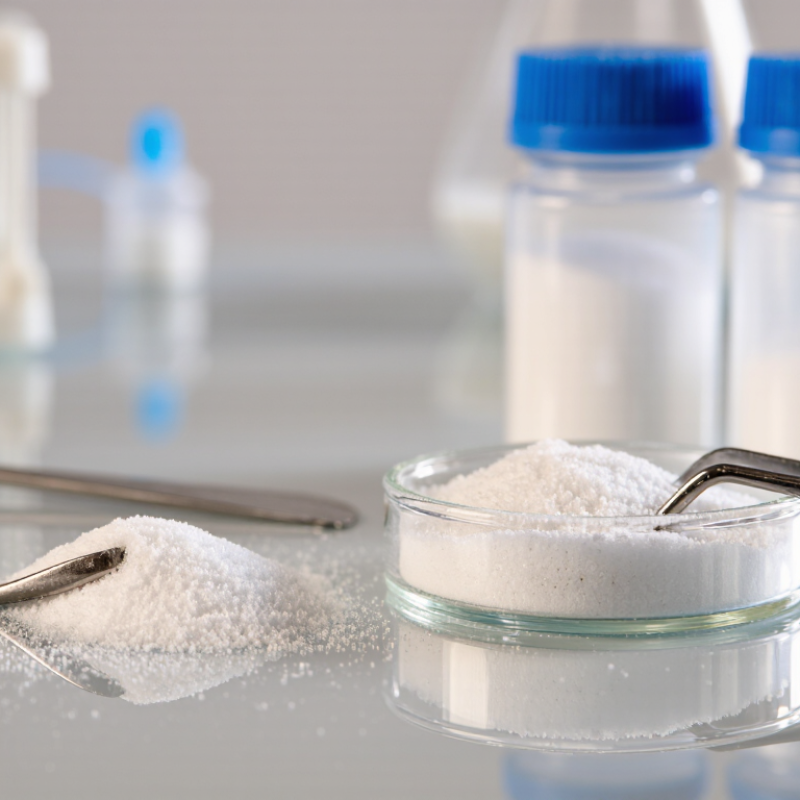
Alpha lipoic acid powder is an organosulfur compound found naturally in small amounts within human cells. It functions as a cofactor in energy metabolism and is widely used in dietary supplements and research formulations. Its antioxidant behavior is notable because it can interact with both water-based and fat-based environments. The powder usually appears pale yellow and crystalline. It may develop a sharp sulfur-like odor.

Its quality depends on more than assay percentage. Reliable worldwide suppliers should provide batch-specific certificates, HPLC results, residual-solvent data, heavy-metal testing, and microbiological reports. Storage also matters. Excessive heat, moisture, and light may affect stability over time. Buyers should check particle size, packaging seals, production standards, and the stated R or S form. A high assay does not automatically prove superior performance. That assumption deserves caution.

Tips: Request a recent sample before placing a large order. Compare test methods, not only headline purity. Keep the powder tightly sealed in a cool, dry, light-protected area. Documentation can look complete while leaving important questions unanswered, so ask who performed each test and when.

Top Alpha Lipoic Acid Powder Suppliers Worldwide: Definition, Uses, and Key Properties

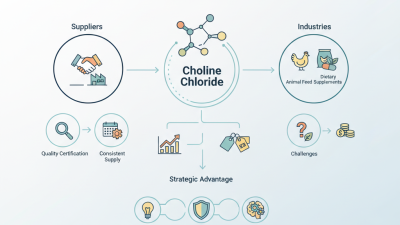
Alpha lipoic acid (ALA) is an organosulfur compound with the molecular formula C8H14O2S2 and a molecular weight of approximately 206.33 g/mol. It is commonly supplied as a crystalline powder for nutritional, research, and formulation applications.

ALA is widely studied for its antioxidant activity and its role in energy metabolism. Commercial powder is commonly evaluated by identity, assay, appearance, moisture, residual solvents, particle size, and microbiological quality. The chart shows the verified elemental composition of one alpha lipoic acid molecule; it does not rank or represent any individual supplier or brand.

When comparing worldwide powder suppliers, buyers should review documented purity specifications, testing methods, batch traceability, storage conditions, regulatory documentation, and packaging suitability.

Global Standards for Evaluating Alpha Lipoic Acid Suppliers

Top Alpha Lipoic Acid Powder Suppliers Worldwide

Global supplier evaluation should begin with verifiable quality, not attractive catalog language. Experienced buyers should request identity, purity, moisture, heavy metal, residual solvent, and microbiological test results. Each batch should include a clear certificate of analysis with test methods and acceptance limits. Independent laboratory confirmation adds useful confidence, especially for new suppliers. A reliable supplier can explain deviations without hiding behind technical wording.

Manufacturing controls matter just as much. Review GMP-based procedures, equipment cleaning records, allergen controls, and change-management systems. Traceability should connect raw materials to the final batch and shipping container. Packaging must protect the powder from heat, light, and moisture during international transport. Stability data can reveal whether quality remains consistent beyond the factory gate. Still, no supplier is flawless. One missing record may expose a wider weakness.

Tips: Ask for recent batch documents, not generic templates. Compare three production lots for consistency. Check whether laboratory results match the product specification. Request a sample and inspect its color, flow, packaging seal, and labeling. Do not treat a polished website as evidence. Small gaps matter. A thoughtful audit may slow purchasing, but rushed decisions often create more work later. Suppliers should also communicate clearly about lead times, minimum quantities, storage conditions, and corrective actions. That practical transparency is part of professional trust.

Leading Regions and Supplier Types in the Worldwide Market

Top Alpha Lipoic Acid Powder Suppliers Worldwide are concentrated across Asia-Pacific, Europe, and North America. Regional roles differ.

Grand View Research’s Alpha Lipoic Acid Market report projects global growth at roughly 8% annually through 2030. Its analysis identifies Asia-Pacific as a major production base, supported by chemical manufacturing capacity and export infrastructure. China and India commonly supply bulk powder, while Japan and South Korea contribute specialized processing and quality-focused production. Actual shares vary between reports.

Europe and North America remain important demand centers. Suppliers there often act as importers, formulation specialists, distributors, or contract manufacturers. They may provide smaller batches, documentation support, and customized packaging for nutraceutical producers. This structure suits buyers needing traceability rather than container-scale volumes.

Supplier type matters as much as location. Large chemical producers usually offer competitive pricing and stable capacity. Regional distributors can provide faster delivery and local regulatory assistance. Contract manufacturers may combine sourcing, blending, testing, and filling services. Useful evidence includes recent certificates of analysis, assay results, residual-solvent testing, heavy-metal screening, and batch traceability.

Mordor Intelligence and similar market assessments also point to growing demand for clean-label supplements and standardized ingredients. However, public market figures are not perfectly comparable. Some reports measure raw material sales; others include finished products. Buyers should check the method, production site, and testing laboratory before comparing quotations. A low price can conceal weaker documentation or longer lead times. That risk is easy to underestimate.

Quality Control, Testing, and Certification Requirements

Top Alpha Lipoic Acid Powder Suppliers Worldwide

Quality control begins before a supplier issues a certificate of analysis. Alpha lipoic acid powder should have verified identity, assay, purity, and stability data. High-performance liquid chromatography can confirm assay and detect related compounds. Infrared identification adds a useful second check. It is not excessive.

The ISO Survey 2023 recorded 1,265,216 ISO 9001 certificates worldwide, reflecting the broad use of formal quality systems. However, ISO 9001 alone does not prove product purity. Buyers should request current GMP evidence and laboratory accreditation under ISO/IEC 17025. Testing should cover heavy metals, residual solvents, microbial limits, moisture, and particle characteristics. USP General Chapters <61>, <62>, and <467> provide practical reference points for microbial and solvent testing. Methods should match the powder’s intended use.

Traceability matters on the warehouse floor. A reliable supplier can link each batch to raw material records, equipment logs, analysts, and retained samples. The certificate should show method references, specification limits, actual results, and laboratory approval. Third-party testing is stronger when the laboratory’s scope includes the exact method. A certificate alone is not proof.

Grand View Research estimated the global dietary supplements market at USD 177.5 billion in 2023. That scale increases pressure for faster sourcing, but speed can weaken review. I would also examine deviations, out-of-specification investigations, and recent stability results. Suppliers rarely present those weaknesses clearly. That is where careful questioning becomes essential.

How to Select a Reliable Alpha Lipoic Acid Powder Supplier

Selecting a reliable alpha lipoic acid powder supplier requires more than comparing prices. Grand View Research estimated the global dietary supplements market at USD 177.5 billion in 2023, with a projected 9.1% CAGR through 2030. This growth increases sourcing pressure and makes supplier verification essential.

Ask for a recent certificate of analysis for every production lot. It should identify alpha lipoic acid content, HPLC test conditions, residual solvents, heavy metals, microbial limits, and moisture. Check whether an independent laboratory issued the results. A polished PDF is not proof. Request chromatograms and sample-retention records. USP’s Dietary Supplements Compendium and WHO Technical Report Series No. 986 emphasize documented testing, validated methods, and traceable quality systems. These references provide a practical benchmark for supplier audits.

Review manufacturing controls against applicable dietary supplement GMP requirements, including FDA 21 CFR Part 111 where relevant. Confirm batch traceability from raw material receipt to sealed drums. Inspect packaging details, such as light-resistant liners and desiccant use, because alpha lipoic acid can degrade under unsuitable storage conditions. Ask for stability data at actual warehouse temperatures. Also assess lead times, recall procedures, change-control policies, and insurance coverage.

Experience matters. I would request a small pilot lot before signing a yearly contract. Test it independently, even when the supplier appears qualified. That extra test costs money. It may prevent a larger mistake. Supplier websites can look complete, yet missing data should remain a warning sign.