How to Source Wholesale Choline Chloride for Your Business?
In today's competitive market, sourcing wholesale choline chloride can be a strategic advantage for your business. Dr. Emily Fletcher, an expert in agricultural chemicals, once stated, "Finding the right supplier of wholesale choline chloride is crucial for product quality and cost management." Understanding the nuances of procurement in this sector can streamline operations and enhance profitability.
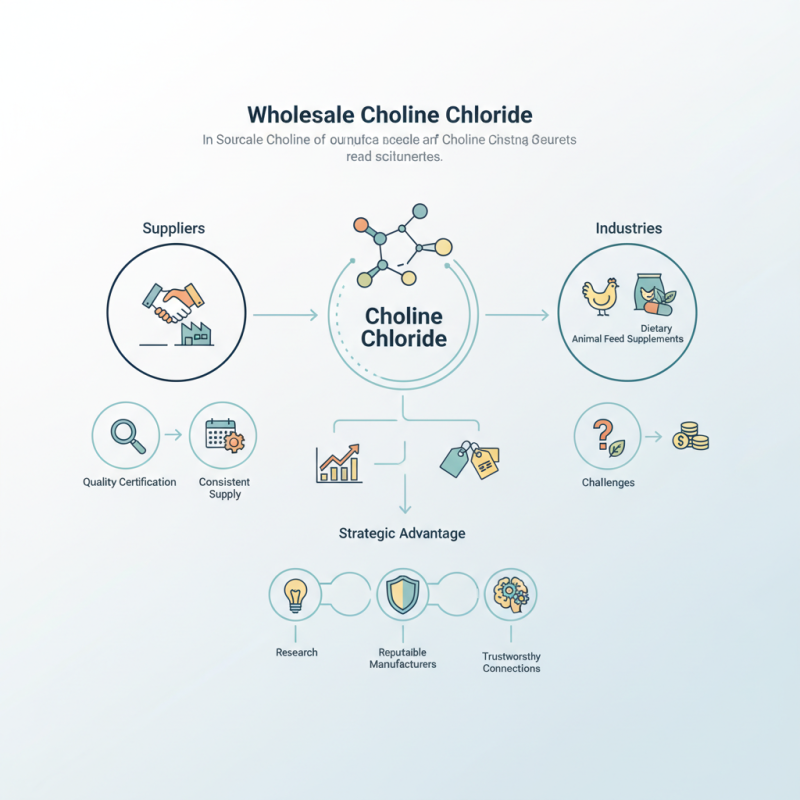
Wholesale choline chloride is essential in various industries, including animal feed and dietary supplements. Reliable suppliers can significantly impact your business outcomes. However, navigating the sourcing landscape can be challenging. Significant differences exist in product quality and pricing, which can confuse new entrants in the market. Establishing relationships with reputable manufacturers is vital.
Many businesses overlook the importance of quality certification and consistent supply. Insufficient research can lead to partnerships with unreliable vendors. The potential cost of poor sourcing can outweigh immediate savings, stressing the need for thorough vetting. Reflecting on experiences, learning from mistakes, and building trustworthy connections often yield the best results in sourcing wholesale choline chloride.
Understanding Choline Chloride and Its Uses in Business
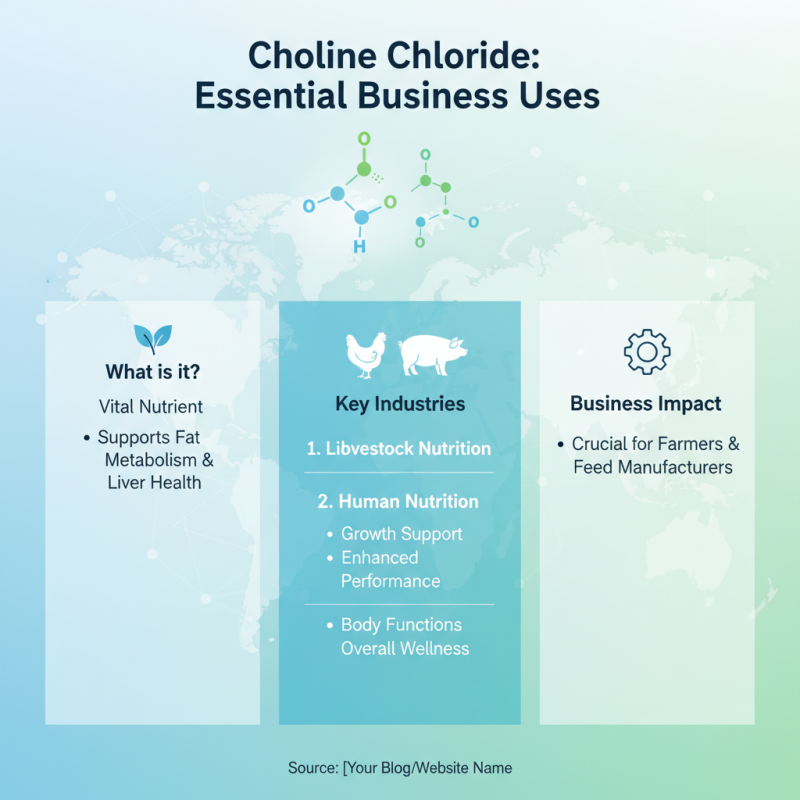
Choline chloride is a vital nutrient for various industries, mainly livestock and human nutrition. It helps in body functions like fat metabolism and liver health. In animal feed, it supports growth and enhances performance. This makes it a must-have for farmers and feed manufacturers.
Understanding the uses of choline chloride can lead to better business decisions. For example, in aquaculture, it improves fish health and growth rates. In pharmaceuticals, it acts as an essential component in formulations. Still, sourcing quality choline chloride can be tricky. Not all suppliers meet industry standards, which can affect your product's reliability.
Take time to evaluate suppliers thoroughly. Check their certifications and production methods. Pricing can vary, but cheaper options may compromise quality. Seek reviews or case studies to gauge their reliability. Balancing cost and quality is crucial. Reflection on your choices can lead to wiser sourcing practices in the long run.
Identifying Reliable Wholesale Suppliers for Choline Chloride
Sourcing wholesale choline chloride requires careful consideration of supplier reliability. A reputable supplier should not only provide high-quality products but also maintain transparency in their processes. According to industry reports, the global choline chloride market is projected to grow significantly, reaching around $490 million by 2025. This growth highlights a growing demand for reliable suppliers.
Evaluate potential suppliers based on their certifications and customer reviews. It's crucial to check if they comply with safety standards and industry regulations. For instance, suppliers with ISO certifications often demonstrate a commitment to quality and reliability. Additionally, platforms like Alibaba and ThomasNet can help identify suppliers with proven track records.
Here are a few tips to enhance your sourcing process:
- Request samples before bulk orders.
- Always review their production practices.
- Compare prices but prioritize quality over cost.
Engaging with other businesses in your industry can provide insights into trustworthy suppliers. Networking can reveal personal experiences and reliable recommendations. Always remain cautious of suppliers that promise unrealistic prices or terms, as they may lead to pitfalls. Identifying a dependable source takes time and effort but pays off through consistent product quality and business success.
Choline Chloride Wholesale Suppliers Analysis
Evaluating Quality and Pricing of Choline Chloride Products
When sourcing wholesale choline chloride, evaluating quality and pricing is paramount. Choline chloride serves various industries, from agriculture to food production. Always check the manufacturer's specifications. Quality varies widely among suppliers. Some might offer low prices but compromise on purity. Verify certifications and safety data sheets. This helps ensure the product meets your standards.
Price comparison is equally crucial. Gather quotes from multiple suppliers. A higher price doesn't always guarantee better quality. Research industry averages to make informed decisions. Investigate bulk discounts. Negotiating pricing based on larger orders can lead to significant savings. Maintain a balance between cost and quality to protect your business interests.
Don't hesitate to ask for samples. Testing before committing is essential. Poor-quality choline chloride can damage your reputation. Reflect on your sourcing process regularly. Quality control should always be a priority. Striking a balance between reliability and price can be a challenge. Stay informed about market trends to adapt your sourcing strategy effectively.
Negotiating Terms and Conditions with Suppliers
Negotiating terms and conditions with suppliers is crucial when sourcing wholesale choline chloride. Clear communication sets the stage for a successful partnership. Begin by outlining your requirements. Specify the quality, quantity, and delivery schedule. This helps suppliers understand your needs and offer tailored solutions.
Flexibility is key during negotiations. Suppliers might have constraints, so consider their perspective. Discussing payment terms is essential. Decide if you prefer upfront payments or credit terms. This balance can foster trust and encourage a long-term relationship. Always document your agreements. Written contracts protect both parties and prevent misunderstandings.
It's important to reflect on your negotiation strategy. Are you too rigid? Being open to alternatives may lead to better deals. Seek feedback from others to improve your approach. Remember, strong relationships often result in more favorable terms in the future.
Ensuring Compliance with Regulations and Safety Standards
Navigating the complex world of regulatory compliance for choline chloride procurement is essential for any business. Choline chloride, widely used in animal nutrition and various industrial applications, must meet strict safety standards. According to a report by the National Center for Biotechnology Information, choline chloride can pose risks if not handled properly. The relevant safety data sheets provide clear guidelines, yet many businesses overlook these crucial details.
Ensuring compliance starts with understanding the relevant regulations. The Food and Drug Administration (FDA) and the European Food Safety Authority (EFSA) have established parameters for the safe use of choline chloride. Violating these regulations can lead to severe penalties and product recalls. Additionally, the Global Harmonized System (GHS) outlines specific labeling requirements. It's important not to ignore these details; scrutiny from regulatory bodies can affect your business reputation.
Many companies find the compliance landscape daunting. They might not realize that sourcing from suppliers who lack certification is risky. Industry data suggests that non-compliant ingredients can lead to a 25% increase in financial penalties. As regulations evolve, staying updated is mandatory. Investing in training for staff on compliance can mitigate risks and foster a culture of safety. This can help avoid future pitfalls and ensure long-term stability.
How to Source Wholesale Choline Chloride for Your Business? - Ensuring Compliance with Regulations and Safety Standards
| Supplier Type |
Location |
Compliance Status |
Certifications |
Min Order Quantity |
Price Range (per kg) |
| Manufacturers |
USA |
Compliant |
ISO 9001 |
500 kg |
$3.00 - $5.00 |
| Distributors |
Germany |
Pending |
FSSC 22000 |
200 kg |
$4.00 - $6.50 |
| Traders |
China |
Compliant |
GMP |
1000 kg |
$2.50 - $4.50 |
| Importers |
India |
Compliant |
HACCP |
250 kg |
$3.50 - $5.50 |