How to Choose the Best Algae Powder for Your Needs?
Choosing the best algae powder can be a daunting task. The global algae powder market is projected to reach $5.96 billion by 2025, according to a report by Grand View Research. This growth reflects increasing consumer awareness of health benefits associated with algae. Renowned expert Dr. Jane Smith states, "The right algae powder can drastically enhance overall wellness."
Algae powder offers a variety of nutrients, including protein, vitamins, and omega-3 fatty acids. With over 1,000 different types of algae available, selecting the right one is crucial for effectiveness. Each type serves a specific purpose, be it culinary or dietary supplementation. Some popular choices include spirulina and chlorella. However, not all algae powders are created equal.
Quality varies greatly among manufacturers, affecting both potency and safety. Consumers should be wary of fillers and contaminants. Research indicates that inferior products often lead to negative experiences. Careful consideration is necessary. Suitable choices depend on personal health goals and dietary needs. Engaging with reputable sources can mitigate risks and maximize benefits.
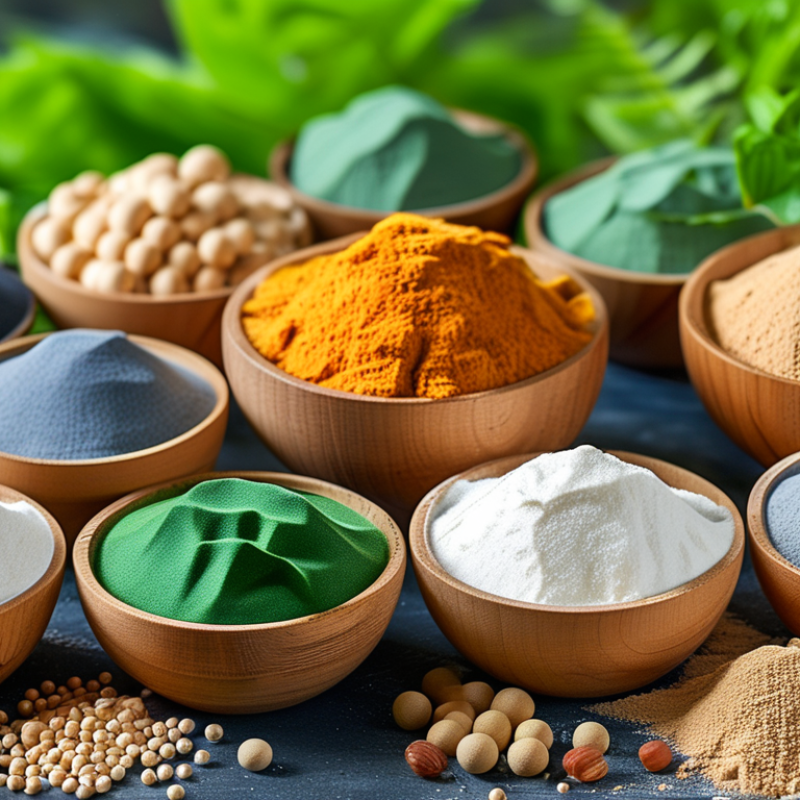
Understanding Different Types of Algae Powders Available in the Market
When choosing the right algae powder, understanding the types available is crucial. Algae powders vary widely in nutritional content and benefits. Spirulina and chlorella are two popular options. Spirulina is rich in protein, offering a great source of amino acids. Chlorella is known for its detoxifying properties, particularly for heavy metals.
There are also lesser-known algae powders, such as aphanizomenon flos-aquae. This type boasts a blend of nutrients that support overall wellness. Consider your health goals when selecting an algae powder. Each type has unique attributes to enhance different aspects of your health.
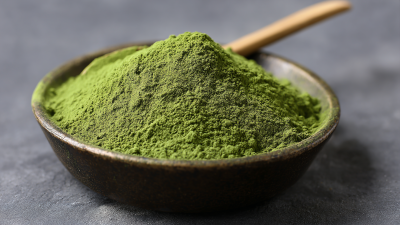
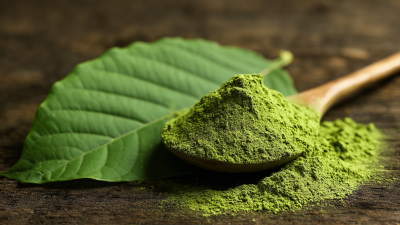
**Tips:** Verify the source of the algae powder. Look for third-party testing to ensure purity. Pay attention to the color and texture; a bright, deep green often indicates higher quality. Don’t forget to read customer reviews for insights on effectiveness. Experiment with small quantities first to see what suits your body best.
Evaluating Nutritional Benefits of Various Algae Powders
When evaluating the nutritional benefits of various algae powders, it’s essential to consider their unique profiles.
Spirulina, for example, is well known for its protein content, boasting around 60-70% protein by weight.
This makes it a popular choice among vegetarians and athletes looking to increase protein intake.
In contrast, chlorella is often praised for its detoxifying properties.
Research indicates that it can bind with heavy metals and aid in their excretion from the body.
Another aspect to consider is the omega-3 fatty acids found in certain marine algae powders.
These beneficial fats are crucial for heart health and brain function.
According to a 2020 report by the Academy of Nutrition and Dietetics, algae-based omega-3s may provide comparable benefits to fish oil.
This can make algae powders an appealing option for those following a plant-based diet.
Tips: Look for algae powders that are certified organic to ensure quality. Also, check for third-party testing that verifies purity and potency.
When starting with algae powders, begin with small amounts. Monitor how your body reacts. This approach can help you find the best option for your wellness needs.
Assessing Quality and Purity Standards for Algae Powders
When selecting algae powders, quality and purity are paramount. Not all products are created equal. Look for powders that undergo third-party testing. This ensures that the product is free from contaminants. Heavy metals and pesticides can affect your health. A reputable source should provide transparency about their testing process.
Pay attention to the sourcing of the algae. Where it's grown can determine its nutritional value. Algae from polluted waters may not be safe. Organic certification can be a good indicator of quality. However, not all organic products meet the same standards. It's important to read reviews and do some research.
Consider the processing methods used. Cold processing retains more nutrients than heat processing. Also, check for additives or fillers that can dilute the powder's effectiveness. This scrutiny can lead to better choices. Though the market is flooded with options, understanding these aspects may lead you to a superior product. Don't overlook the importance of reading labels diligently.
Identifying Your Specific Health Goals and Needs
When selecting algae powder, it’s crucial to identify your specific health goals and needs. Algae, including spirulina and chlorella, offers various benefits based on individual nutritional requirements. According to research by the National Institutes of Health, spirulina is high in protein and can support muscle recovery. Chlorella is often recommended for detoxification due to its ability to bind heavy metals.
Understanding your health goals is essential. If you aim to boost energy, spirulina might be your best choice. It contains B vitamins, which are vital for energy metabolism. For those seeking to strengthen their immune system, chlorella provides antioxidants that can enhance overall health. Know what you're looking for before making a decision.
Tip: Consult a healthcare professional to assess your needs. Testing for nutrient deficiencies can guide your choice effectively.
Be mindful of your body’s response to different types of algae powder. Some individuals may experience digestive discomfort. It’s essential to start with a small dose to gauge tolerance. Tracking your progress will help you determine which type meets your needs best.
Tips for Incorporating Algae Powder into Your Diet
Incorporating algae powder into your diet can be a rewarding experience. Algae, particularly spirulina and chlorella, are rich in protein, vitamins, and antioxidants. Studies show that spirulina contains about 60-70% protein by weight, which is impressive compared to traditional sources. These nutrients can help support a healthy immune system and improve energy levels.
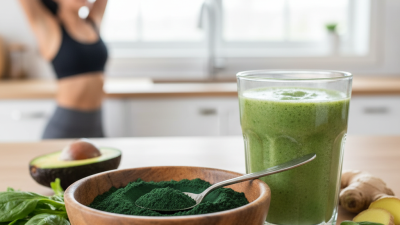
Adding algae powder to smoothies is a simple way to start. Just a teaspoon can enhance flavor and nutrient density. Consider blending it with fruits like bananas or berries for a delicious boost. You can also stir algae powder into soups or salads. While the taste may take time to adjust to, the health benefits can be significant.
Research indicates that consuming algae regularly can lead to improved gut health. As an excellent source of fiber, algae may support digestion. However, it's crucial to choose high-quality products from reputable sources. Contaminants in lower-quality algae can pose risks. Always consult with a healthcare provider before making changes to your diet, especially if you're pregnant or have existing health conditions. Each individual's response to algae powder can vary, making personalized approaches vital.