Top 10 Benefits of Algae Powder for Global Buyers?
Algae Powder has captured the attention of health enthusiasts and industry experts alike. Renowned algae specialist Dr. Sarah Chen states, "Algae Powder is a powerhouse of nutrients, offering diverse benefits for all." This statement highlights its significance in today’s health market.
Many consumers seek natural alternatives for nutrition and wellness. Algae Powder stands out by providing essential vitamins, minerals, and antioxidants. It boosts energy levels and supports immune health. This natural supplement is highly versatile, used in smoothies, snacks, and dietary supplements.
However, not every product on the market delivers the same quality. Buyers must research sourcing and processing methods. Some products may contain contaminants or low nutritional value. Understanding these nuances is crucial for making informed decisions. Algae Powder has great potential, yet quality assurance must be prioritized.
Understanding Algae Powder: Properties and Nutritional Value
Algae powder has gained attention for its remarkable nutritional profile. Studies indicate that this superfood is rich in protein, vitamins, and minerals. For instance, spirulina, a common type of algae, contains about 60-70% protein by weight. This makes it an excellent option for vegetarians and vegans. Additionally, it includes essential amino acids that the body cannot produce.
The nutritional value of algae powder goes beyond protein. It is a potent source of antioxidants, particularly phycocyanin. Research shows that phycocyanin may help reduce inflammation and protect against oxidative stress. Moreover, algae powder has high levels of omega-3 fatty acids. These fatty acids support heart health and improve brain function. According to industry reports, incorporating algae into diets may even help enhance cognitive performance.
Algae powder also boasts high levels of iron, which is crucial for energy and overall health. A report by the International Journal of Food Sciences indicates that just a small serving can provide significant daily iron requirements. While the benefits are numerous, some might find the taste challenging. This could deter potential users. Exploring various recipes or blending it into smoothies can make it more palatable. Ultimately, the versatility and health benefits of algae powder make it a valuable addition to diets worldwide.
Health Benefits of Algae Powder: Boosting Immunity and Vitality
Algae powder is gaining attention for its impressive health benefits. It is a rich source of antioxidants, vitamins, and minerals that can significantly boost immunity. Research suggests that algae contains phycocyanin, a potent compound that enhances the immune response. According to a report by the International Journal of Biotechnology, regular consumption of algae can improve the body's ability to fight infections.
Vitality is another key advantage of incorporating algae powder into one’s diet. Studies show that it helps reduce fatigue and increase energy levels. The high protein content in algae provides essential amino acids, which are vital for muscle recovery and overall vitality. Notably, the World Health Organization highlights that algae is a great alternative protein source, especially for those seeking plant-based options.
While the benefits are numerous, it's important to note that not all algae products are created equal. The quality and purity of the algae powder can vary widely. Potential contaminants can affect its health benefits. Thus, buyers should focus on reputable sources and examine certifications. The industry lacks standardization, making it crucial for consumers to conduct thorough research before making a purchase. This diligence can ensure the positive effects of algae powder truly reach their potential.
Environmental Impact: Sustainable Solutions Offered by Algae Powder
Algae powder is gaining attention for its environmental benefits. This natural resource is sustainable and versatile. It thrives in various ecosystems, requiring minimal freshwater and land. By harnessing algae, we can reduce our dependence on traditional agriculture. This makes a positive impact on land use and biodiversity.
The production of algae powder emits fewer greenhouse gases. Algae absorb CO2 during growth, acting as a natural carbon sink. This helps in combating climate change. Additionally, sea-based algae cultivation helps purify ocean waters. This creates healthier habitats for marine life. For many, these advantages of algae powder promote a shift toward greener solutions.
Despite its benefits, challenges remain. Not all algae farming practices are eco-friendly. Overharvesting and pollution can occur if not managed responsibly. It's vital for industries to adopt best practices in algae cultivation. This ensures that the benefits outweigh any potential negatives. Embracing a balanced approach is key to achieving sustainable goals.
Algae Powder in Dietary Supplements: A Growing Trend for Consumers
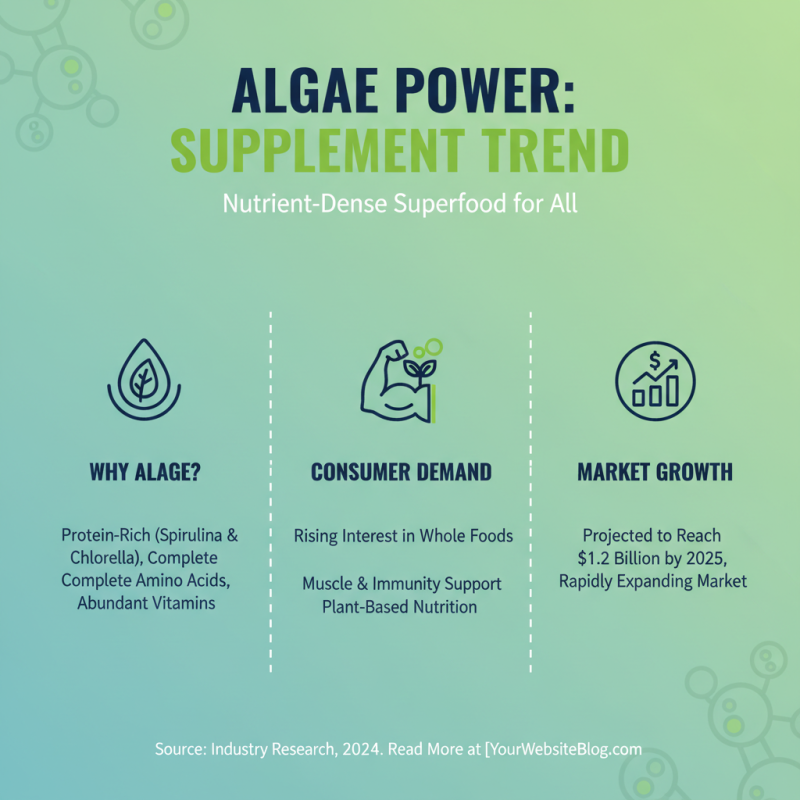
As the demand for nutrient-dense foods rises, algae powder is becoming increasingly popular in dietary supplements. Algae, particularly spirulina and chlorella, are noted for their impressive protein content and abundant vitamins. Research indicates that these superfoods can provide all essential amino acids in a single serving. The market for algae-based supplements is projected to reach $1.2 billion by 2025, reflecting significant consumer interest.
The versatility of algae powder is another reason for its rapid adoption. It can be easily incorporated into smoothies, protein shakes, and energy bars. Nutrition experts advise that blending algae powder into your diet can enhance your nutrient intake without adding many calories. Studies show that just one tablespoon of spirulina can provide around 20% of your daily iron needs.
Tips: Start with a small amount. Gradually increase the serving size to assess how your body responds. Pay attention to texture. Adding it to liquids helps achieve a smoother consistency. Experimenting with flavors can make it more enjoyable. Algae powder may not be for everyone. Some users report a strong taste that requires adjustment. Evaluate your preferences as you incorporate it into your routine.
Global Market Trends: Demand and Applications of Algae Powder
The global demand for algae powder is rising significantly. This growth is driven by its diverse applications in food, cosmetics, and health supplements. Algae are rich in nutrients, making them a popular choice among health-conscious consumers. Their potential to boost immunity and enhance overall wellness attracts attention.
Many buyers appreciate the eco-friendly nature of algae cultivation. Growing algae requires fewer resources compared to traditional agriculture. This sustainability factor appeals to brands aiming to reduce their environmental impact. However, buyers must be cautious about sourcing practices. Some suppliers may not adhere to strict sustainability standards. This raises questions about the reliability of certain products.
As the market evolves, innovation in algae processing is key. New extraction methods enhance the nutritional profile while maintaining product quality. However, some applications may still need further research to confirm effectiveness. This ongoing development presents opportunities and challenges for manufacturers. In the end, staying informed about trends and sourcing responsibly is crucial for buyers.