Leave Your Message

China Top Acai Fruit Powder Suppliers for Global Buyers?

China has become an important sourcing hub for Acai Fruit Powder used in beverages, supplements, snacks, and functional foods. Many Chinese suppliers import Brazilian acai, then process, test, package, and export it for international buyers. However, supplier rankings should not rely on price alone. Product quality can change between batches.

A strong supplier should provide clear origin records, processing details, and recent laboratory reports. Buyers should examine moisture, microbial levels, heavy metals, pesticide residues, and anthocyanin content. Certificates matter, but verification matters more. Ask for production-site photographs, sample documentation, and batch-specific testing. A polished website is not enough.

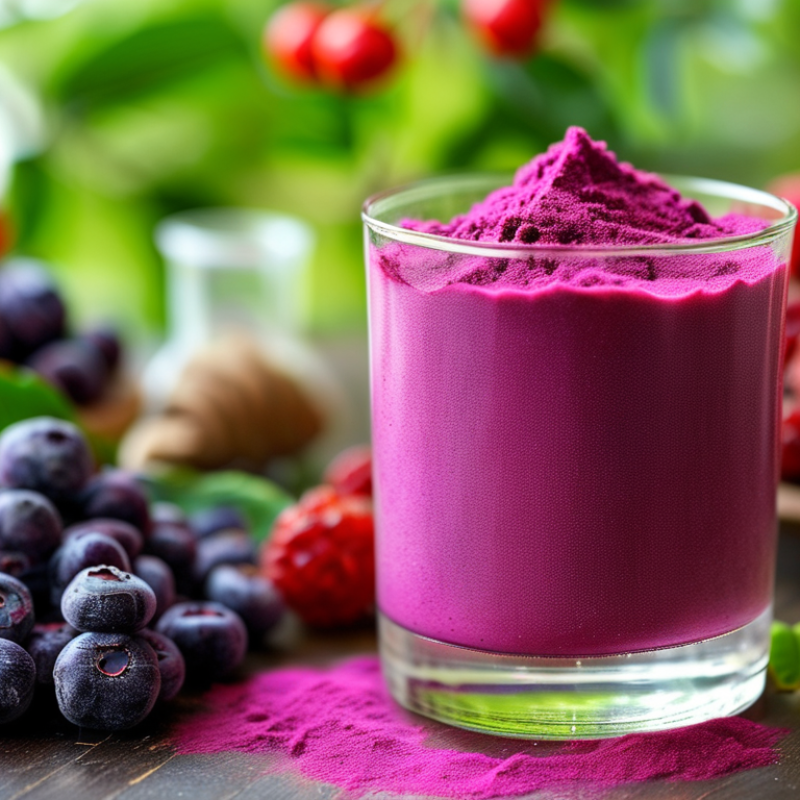
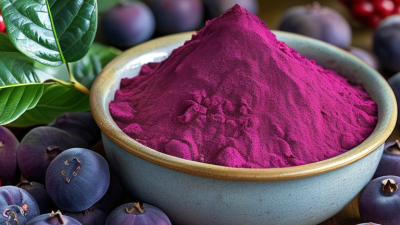
As natural-products researcher Dr. Alexander Schauss has emphasized, “Standardization and testing are essential when evaluating botanical ingredients.” This principle applies closely to Acai Fruit Powder. Color should appear naturally deep purple, not unnaturally bright. The aroma should suggest fresh berries, not excessive sweetness or smoke. Some products may contain maltodextrin, added sugar, or artificial carriers. Read the specification carefully.

This guide reviews China-based suppliers through a practical buyer’s lens. It considers raw-material traceability, extraction or drying methods, certifications, customization, packaging, and export experience. Supplier performance is not always consistent. That deserves honest attention. A company may offer excellent samples but weaker later shipments. Requesting a retained sample and written quality agreement can reduce this risk. Global buyers should also confirm labeling rules in their destination markets. The best supplier is not necessarily the cheapest. It is the one that can repeatedly deliver safe, documented, and consistent Acai Fruit Powder.
China Top Acai Fruit Powder Suppliers for Global Buyers?

Acai Supply Chain Data: Brazil Produces Over 90% of Global Acai

Brazil dominates the acai supply chain, producing over 90% of global acai according to widely cited industry data. Most fruit comes from the Amazon region, especially Pará and Amapá. Harvesters collect ripe berries by hand, often using narrow wooden boats and tall palm-climbing techniques.

For global buyers, Chinese acai powder suppliers can provide processing, packaging, and export coordination. However, the powder’s quality begins in Brazil. Buyers should request the harvest origin, processing date, batch number, and certificate of analysis. Testing should cover moisture, microbiological safety, heavy metals, and pesticide residues. The color should look naturally purple, not unnaturally bright.

Small details matter. A sealed sample may arrive in excellent condition, while a bulk shipment suffers from humidity during transit. This happens. Storage records, inner-bag materials, and warehouse temperature deserve careful review. Suppliers should explain whether the powder is freeze-dried or spray-dried, since processing affects flavor, nutrients, solubility, and cost. Traceability should connect the finished powder to a specific production batch. A supplier with polished documents is not automatically reliable. Independent testing remains worthwhile, especially for new suppliers and large orders.
Supplier Verification: Check HACCP, ISO 22000, FDA FSMA, and BRCGS Status

China Top Acai Fruit Powder Suppliers for Global Buyers?

Supplier verification should begin with the facility, not its marketing claims. HACCP records should identify biological, chemical, and physical hazards across washing, drying, milling, and packing. Ask for recent monitoring logs, corrective actions, and laboratory results. Acai powder can absorb moisture quickly, so humidity control matters.

The WHO estimates that contaminated food causes 600 million illnesses globally each year. This figure makes basic verification impossible to ignore.

ISO 22000 certification should match the exact production site and product scope. The ISO Survey 2023 reported more than 60,000 ISO 22000 certificates worldwide, but a certificate alone does not prove strong daily controls. Check the certificate number, expiry date, auditor, and nonconformity history.

For FDA FSMA compliance, remember that FDA registration is not supplier approval. Request a written hazard analysis, supplier verification procedure, traceability test, and recall plan. BRCGS status should include the current issue, grade, audit date, and whether the audit was announced or unannounced. Documents can be genuine, yet outdated.

Tips: Request a sealed sample from the audited site. Compare its lot code, color, moisture, and microbiology results with the shipment. Confirm the laboratory’s accreditation. Ask one uncomfortable question: “What failed last year?” Honest answers are useful. Silence is not proof of safety.

My own caution is simple: paperwork can look perfect while factory discipline remains uneven. Verify twice.

Powder Specifications: Compare Moisture, Anthocyanins, Mesh, and Carrier Ratios

China Top Acai Fruit Powder Suppliers for Global Buyers?

When comparing acai fruit powder suppliers in China, moisture deserves close attention. A typical specification may show 5–8% moisture, but the testing method matters. Karl Fischer and oven-drying results may not match perfectly. Ask for the method, batch number, and recent certificate of analysis. Powder should flow easily from a sealed bag, without hard lumps or a damp smell. Low moisture helps stability, but it does not guarantee fresh raw material.

Anthocyanin content needs equal scrutiny. Suppliers may report total anthocyanins as cyanidin-3-glucoside equivalents. Others use different laboratory methods. Compare the testing basis before comparing percentages. Request results from an independent laboratory when the figure appears unusually high. Color can offer a useful visual clue, though it is not proof. A deep purple sample may still contain added color or excessive carrier.

Mesh size affects texture and dispersion. An 80–100 mesh powder often suits beverage and capsule applications, but finer is not always better. Very fine powder can create dust and cling to packaging. Check sieve results, not only the advertised mesh. Carrier ratios also change value. Some spray-dried powders contain 10–30% maltodextrin or another carrier. That may improve flow, yet reduce the actual fruit concentration. I have seen buyers focus on price per kilogram and overlook carrier content. The calculation needs more care. Ask for fruit solids, carrier percentage, solubility, and storage data from the same batch. Supplier documents can be incomplete, and that weakness deserves attention before approval.

Quality Testing: Review COAs for Microbes, Heavy Metals, Pesticides, and Adulterants

For global buyers sourcing acai fruit powder from China, a Certificate of Analysis (COA) should be evidence, not decoration. Request the batch number, production date, laboratory name, test methods, and result units. The COA must match the physical shipment. A recent laboratory report is far more useful than a generic specification sheet.

Microbial testing should cover total plate count, yeast and mold, Escherichia coli, Salmonella, and Staphylococcus aureus. Ask whether testing followed recognized AOAC or ISO methods. Heavy-metal results should separately report lead, arsenic, cadmium, and mercury, preferably in milligrams per kilogram. Limits differ by destination. Codex and local food authorities should guide acceptance levels, not supplier preference. Small details matter.

Pesticide screening should show the tested compounds, reporting limits, and comparison with applicable maximum residue limits. EFSA’s 2022 monitoring report assessed 110,829 food samples; 96.3% complied with legal limits. That figure supports routine screening, not blind trust. Adulterant testing also deserves attention. Verify identity through microscopy, chromatography, or DNA-based methods when practical. Acai powders can vary in color and anthocyanin content after drying. A vivid purple sample proves little. In my experience, buyers often review pass or fail results but ignore missing methods. That is a weakness. Ask for raw chromatograms when results look unusually perfect. A COA without independent laboratory verification remains incomplete.

Global Purchasing: Assess MOQ, Incoterms, Lead Times, and EU Import Rules

China Top Acai Fruit Powder Suppliers for Global Buyers?

Global purchasing starts with a clear MOQ, not a low headline price. Ask whether the MOQ applies per flavor, package size, or production batch. A practical trial order may require 100 to 500 kilograms, while larger contracts can reduce unit costs. Confirm the Incoterm in writing. FOB may suit experienced importers, while CIF includes freight but not every destination charge. DDP sounds simple, yet the buyer should verify who handles customs, taxes, and EU compliance.

Lead times need more detail than “fast delivery.” Request separate schedules for sampling, production, laboratory testing, and port booking. A realistic plan may take four to eight weeks after artwork approval. Keep safety stock for harvest delays or shipping disruptions. Delays happen. They should be discussed early.

For EU imports, review the product specification before paying a deposit. Request a current certificate of analysis, microbiological results, pesticide screening, heavy-metal testing, allergen information, and batch traceability records. Check the correct customs classification and required import documents with a qualified customs adviser. Labels may need the food name, net quantity, lot code, storage conditions, and responsible food business operator details. Avoid unsupported health claims. Acai powder may be treated differently depending on processing, formulation, and intended use, so verify its regulatory status in the target member state. One weakness in many sourcing plans is trusting documents without checking whether the batch number matches the shipment. Always compare them.