What are the Benefits of Fucoidan in 2026?
As we advance into 2026, the focus on the health benefits of Fucoidan continues to captivate researchers and consumers alike. A recent report by the Global Fucoidan Market Research highlights a staggering growth rate of 7.5% in the industry, fueled by increased awareness of its potential health benefits. Fucoidan, a bioactive compound derived from brown seaweed, is recognized for its antioxidant and anti-inflammatory properties. Industry expert Dr. Lisa Tran states, "The potential of Fucoidan as a natural therapeutic agent is immense."
In recent years, data have shown Fucoidan’s positive effects on immune support and cancer prevention. Various studies indicate that Fucoidan can enhance cell signaling and promote apoptosis in cancer cells. However, while the prospect of Fucoidan is promising, it is essential to acknowledge that not all findings are conclusive. The variability in results from different sources calls for more rigorous research and standardized testing methodologies.
Moreover, consumer education is crucial. Many people still lack awareness regarding Fucoidan and its benefits. Misinformation can lead to skepticism about its validity. Ensuring credible scientific data and transparent information is imperative to drive acceptance. As the industry evolves, maintaining trust in Fucoidan’s potential remains a challenge that stakeholders must address.

Overview of Fucoidan and Its Sources in 2026
Fucoidan is a sulfated polysaccharide found primarily in various species of brown seaweed. In 2026, its reputation continues to grow due to numerous potential health benefits. Common sources include kombu, wakame, and bladderwrack. These algae flourish in ocean waters, offering rich nutrients to those who consume them. They can be prepared in many culinary ways, from salads to soups.
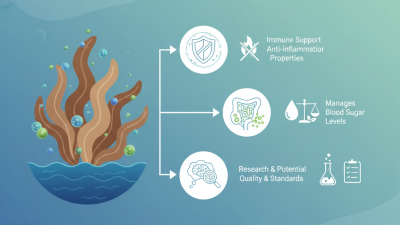
Research suggests fucoidan may support immune function, improve gut health, and possess anti-inflammatory properties. Some studies indicate it can enhance cell regeneration and reduce oxidative stress. Despite these promising findings, more rigorous research is necessary to confirm these effects. There could be variability in fucoidan content among different seaweed species, which complicates its potential benefits.
Incorporating fucoidan into one’s diet might not be straightforward. Accessibility to high-quality seaweed products can vary by region. Additionally, individual responses to fucoidan can differ significantly. A cautious approach is essential, as understanding personal health needs remains crucial. Including fucoidan should not replace traditional medical treatments but rather complement them when appropriate.
Benefits of Fucoidan in 2026
Key Health Benefits of Fucoidan for Immune Support
Fucoidan is a natural compound found in various seaweeds. In 2026, its importance for immune support is becoming clearer. Many studies suggest it plays a role in enhancing immune responses. This polysaccharide is rich in fucose, which can help regulate immune cells. Regular intake may lead to improved resistance against illnesses.
When considering fucoidan, it’s essential to understand its effects on the body. Some people report experiencing increased energy levels and better overall health. Keep in mind that individual responses can vary. Not everyone will notice the same benefits. Listening to your body is crucial.
Tips for incorporating fucoidan: Add seaweed to your salads or smoothies. Look for supplements if you're not keen on the taste. Start with small doses to gauge your reaction. Monitor how your body feels over time. It’s important to consult a healthcare professional before making any significant changes to your health routine.
Fucoidan's Role in Cancer Prevention and Treatment
Fucoidan, a polysaccharide found in brown seaweed, has gained attention for its potential role in cancer prevention and treatment. Research shows that fucoidan can enhance the immune system. This increase in immune response may help fight off cancer cells. In laboratory settings, fucoidan exhibited anti-cancer properties. It seems to inhibit tumor growth and induce apoptosis, or programmed cell death, in cancer cells.
One of the compelling aspects of fucoidan is its impact on inflammation. Chronic inflammation is linked to cancer progression. By reducing inflammation, fucoidan may slow down the development of tumors. Some clinical studies have shown promise, indicating that fucoidan could complement traditional cancer therapies. Many patients seek natural options alongside conventional treatments, and fucoidan offers a glimmer of hope.
However, more extensive clinical trials are needed for conclusive evidence. The interaction of fucoidan with other medications must be explored. While the preliminary findings are encouraging, caution is necessary. Individuals should consult healthcare professionals before incorporating fucoidan into their wellness routines. Understanding its potential is crucial for making informed decisions.
What are the Benefits of Fucoidan in 2026? - Fucoidan's Role in Cancer Prevention and Treatment
| Benefit |
Description |
Research Findings |
Potential Applications |
| Cancer Cell Apoptosis |
Fucoidan may induce apoptosis in cancer cells. |
Studies indicate increased apoptosis in breast and colon cancer cells. |
Potential use in adjunct cancer therapies. |
| Immune System Enhancement |
Boosts the immune response against tumor cells. |
Research shows enhanced activity of natural killer cells. |
Could help in developing immunotherapies. |
| Anti-Inflammatory Effects |
Reduces inflammation associated with cancer progression. |
Clinical trials suggest lower levels of inflammatory cytokines. |
Potential for use in cancer-related inflammatory diseases. |
| Antioxidant Properties |
Protects cells from oxidative stress. |
Studies reveal reduced oxidative damage in cells. |
Possibly beneficial in cancer prevention. |
| Potential to Inhibit Metastasis |
May prevent cancer cell spread to other body parts. |
Emerging research suggests reduced metastatic activity. |
Could aid in treatment of advanced-stage cancers. |
Potential Anti-Inflammatory Effects of Fucoidan
Fucoidan, a unique compound found in brown seaweed, has garnered attention for its potential health benefits. In 2026, researchers highlight its anti-inflammatory properties. These benefits could positively impact conditions like arthritis, allergies, and chronic inflammation. Health enthusiasts are curious about how fucoidan can help manage inflammation effectively.
Recent studies suggest that fucoidan might inhibit pro-inflammatory cytokines. These compounds typically drive inflammation in the body. Some investigations reveal promising results in lab settings, showing reduced swelling and pain. However, researchers urge caution. The specific mechanisms of fucoidan are still under exploration. More clinical trials are essential to confirm current findings and establish dosage recommendations.
Individual responses to fucoidan can vary greatly. Some may experience relief, while others might notice minimal change. Such variability is important to consider when discussing its use as a supplement. As the scientific community continues to explore fucoidan, understanding its effects and potential risks remains crucial for those interested in its benefits.
Future Research Directions for Fucoidan Applications
Future research on fucoidan applications offers exciting opportunities for various fields, particularly in health and wellness. Scientists are exploring its potential to enhance immune responses, improve gut health, and reduce inflammation. These benefits are drawing attention from researchers and health enthusiasts alike.
Tips: Always consult with a healthcare provider before adding new supplements to your routine. Individual responses can vary significantly.
Another promising direction includes the investigation of fucoidan in cancer treatments. Preliminary studies suggest that it may help inhibit tumor growth. However, more robust clinical trials are essential to confirm these findings. Researchers must address inconsistent outcomes to enhance credibility and reliability.
Tips: Keep an eye on emerging studies and publications. Staying informed can guide personal health decisions.
The integration of fucoidan in nutraceuticals is also a focus. Innovative formulations may emerge, targeting specific health issues. However, researchers must remain cautious of exaggerated claims. Proper validation through rigorous testing is vital for consumer trust.