

Retinoic Acid 98% CAS 302-79-4
Are you familiar with retinoic acid?
Retinoic acid, also known as tretinoin, is a metabolic intermediate of vitamin A in the body. It is a widely used topical dermatological medication. It promotes epithelial cell proliferation and differentiation, influences skin metabolism, inhibits sebaceous gland lipid secretion, promotes keratinization, improves keratinization of the hair follicles and sebaceous gland ducts, and has anti-inflammatory effects.
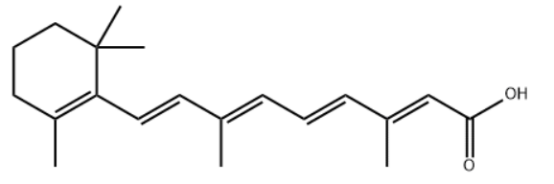
Retinoic acid, a metabolic intermediate of vitamin A, primarily affects bone growth and epithelial metabolism. By regulating epidermal cell mitosis and renewal, it promotes normal keratinization, influences epithelial metabolism, and significantly promotes epithelial keratinocyte growth and stratum corneum shedding, promoting the removal of existing acne while inhibiting new breakouts. It also prevents the formation of keratin plugs and inhibits keratin synthesis.
Why Choose YTBIO Retinoic Acid?
We own our factory with over 12 years of experience supplying high‑purity active raw materials. Our production system complies with cGMP, ISO9001, ISO22000, HALAL, KOSHER, strict quality control for cosmetic raw‑material customers.
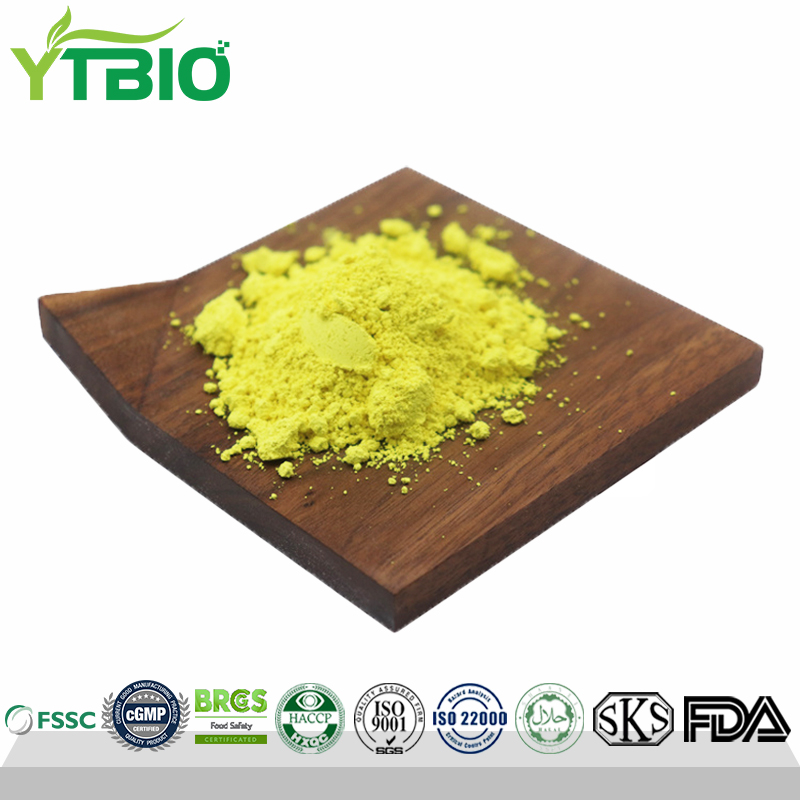
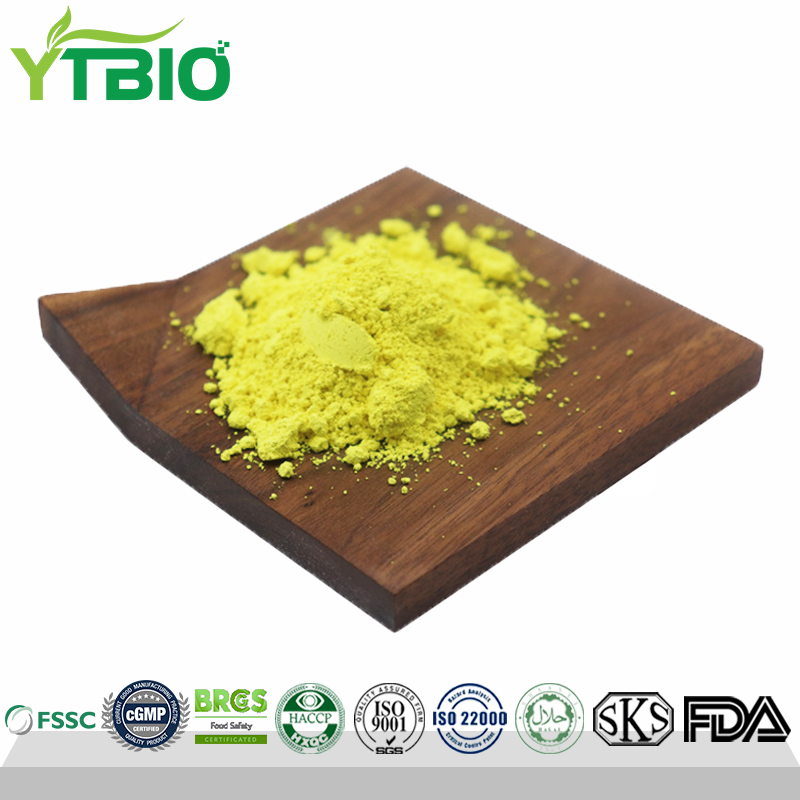
Retinoic Acid (Tretinoin / All‑trans‑Retinoic Acid, CAS:302‑79‑4), synthetic high‑purity crystalline powder, typical specification 98%‑99% HPLC. Bright yellow‑orange crystalline powder, strict isomer control, consistent batch‑to‑batch purity, low impurity profile.
| ANALYSIS | SPECIFICATION | RESULTS |
|---|---|---|
| Appearance | Yellow Powder | Complies |
| Odor | Characteristic | Complies |
| Tasted | Characteristic | Complies |
| Assay | 98% | Complies |
| Sieve Analysis | 100% pass 80 mesh | Complies |
| Loss on Drying | 5% Max. | 0.67% |
| Sulphated Ash | 5% Max. | 0.03% |
| Extract Solvent | Ethanol & Water | Complies |
| Heavy Metal | 5ppm Max | Complies |
| As | 2ppm Max | Complies |
| Residual Solvents | 0.05% Max. | Negative |
| Microbiology | ||
| Total Plate Count | 1000/g Max | Complies |
| Yeast & Mold | 100/g Max | Complies |
| E.Coli | Negative | Complies |
| Salmonella | Negative | Complies |
What are the effects of retinoic acid?
Acne treatment
Retinoic acid regulates epidermal cell proliferation, differentiation, and apoptosis. It primarily improves and corrects keratinization of the sebaceous gland ducts, dissolves microcomedones and comedones, treats acne, and improves inflammatory hyperpigmentation and scarring associated with acne. It also increases skin permeability and, in combination therapy, can enhance the efficacy of topical antibacterial and anti-inflammatory medications.
Inhibits comedonal formation
By regulating abnormal keratinization in the sebaceous gland epithelium of the follicles, it removes keratin plugs, thereby inhibiting comedonal formation.
Fades dark spots
Retinoic acid also regulates melanin production in melanocytes, reducing skin hyperpigmentation.
Anti-inflammatory
Retinoic acid also exerts an anti-inflammatory effect in acne treatment by inhibiting leukocyte chemotaxis.
Prevents wrinkles
Retinoic acid can also prevent wrinkles. Retinoic acid helps generate fibroblasts, which in turn increase the production of collagen and hyaluronic acid. This means the skin has a stronger structure and is better able to retain moisture, thus eliminating sagging and wrinkles.
Reduces Oil Secretion
Retinoids can reduce oil secretion in the sebaceous glands, especially isotretinoin, which has a stronger oil-control effect.
Uses of Retinoic Acid
Acne: This is the most classic application of tretinoin.
Mechanism of Action: It promotes the normal shedding of keratinocytes from the sebaceous gland ducts of the hair follicles, unclogging clogged pores (exfoliation). It also inhibits the formation of microcomedones and has anti-inflammatory effects.
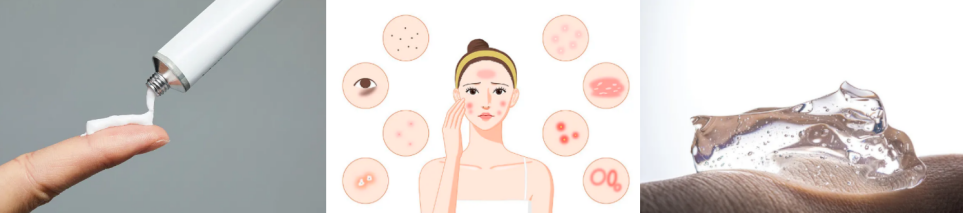
Common Dosage Forms: Gels, creams, solutions, etc. (such as tretinoin cream).
Photoaging:
Mechanism of Action: It can significantly improve skin wrinkles, roughness, hyperpigmentation, and sagging caused by prolonged sun exposure. It achieves a "rejuvenating" effect by promoting collagen production, increasing epidermal thickness, and improving skin texture.
Hyperpigmentation and Acne Scars:
By accelerating skin renewal, it helps fade dark spots and red or brown marks after acne resolves.
Other Skin Conditions:
Psoriasis: It helps regulate abnormal skin cell proliferation and differentiation.
Ichthyosis: It improves dry and scaly skin.
Lichen planus, etc.
FAQ
Q: What certifications do you hold?
A: We prioritize product quality and safety, and our production facilities hold several top international certifications, including:
· cGMP
· ISO9001 and ISO22000
· BRC
· HACCP
· EU and NOP organic certifications
· Kosher certification
· Halal certification
Q: Do you provide third-party test reports (COAs) for your products?
A: Of course. We provide a COA with every batch.
Q: Do you offer custom products and technical support?
A: Yes, we have a strong R&D team. In addition to standard products, we can also provide customized dosage forms and customized packaging to meet your specific needs.
Our technical team is always ready to provide comprehensive technical support, including product application and formulation advice.
Email: sales@sxytbio.com
WhatsApp/phone: +86 17782577059