

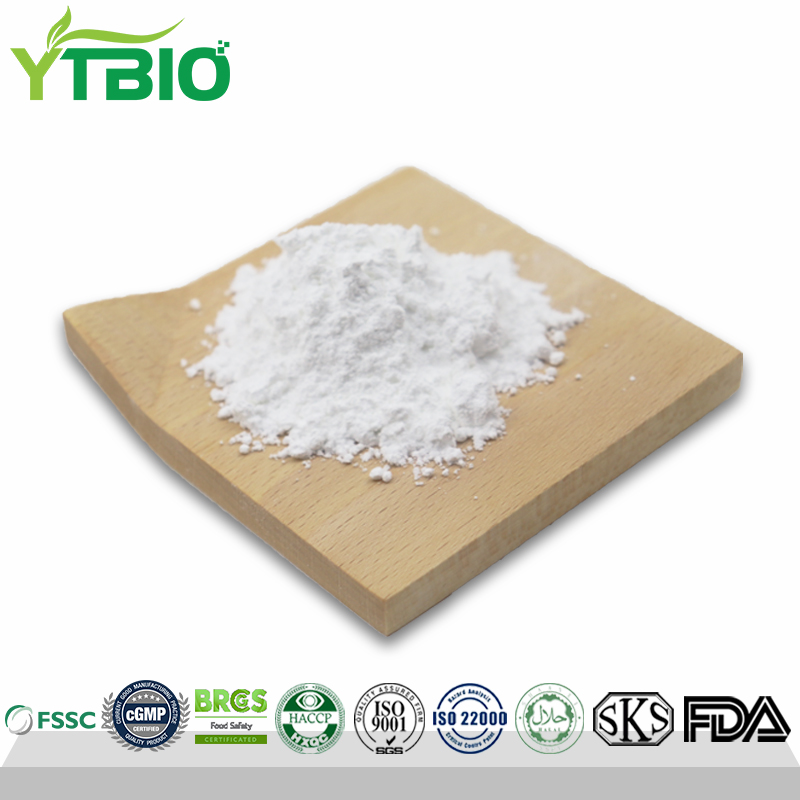
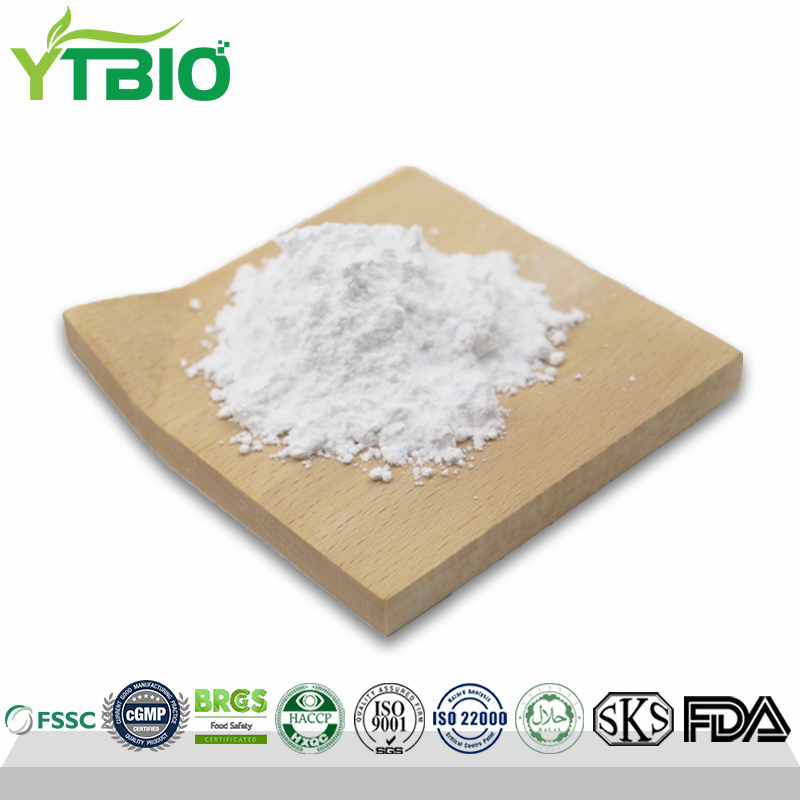
Factory Supply Phytin Powder 7776-28-5
What is phytin?
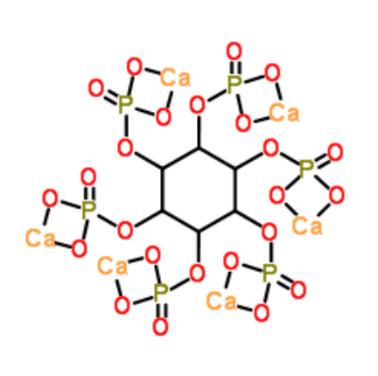
Phytin is a naturally occurring complex of calcium and magnesium phytate in plants. Its chemical composition is the calcium and magnesium salts of phytic acid, commonly found in tissues such as cereal germ and rice bran. It is the primary storage form of phytic acid. Phytin is often used as a technical term in the chemical field and is used to produce phytic acid or as a mineral carrier in food processing, feed additives, and chemical production.
Phytin preparation methods include traditional extraction techniques and modern technologies such as microwave and ultrasound-assisted extraction. Process optimization can improve efficiency. Related research involves content determination, quality standard development, and resource utilization of byproducts, such as the use of phytin filter residue. With the development of preparation technology, its applications have gradually expanded to phytic acid production, animal feed additives, and agricultural biotechnology, and have also led to the development of complexes such as iron-based calcium and magnesium phytate.
Phytate calcium magnesium has multiple functions, such as lowering blood lipid and cholesterol levels, improving cardiovascular health; enhancing immunity; promoting bone health; improving intestinal flora, etc.
Main Benefits of phytin
phytin is commonly used as a nutritional supplement. Its main benefits include:
Supplementing calcium and magnesium
Providing essential calcium and magnesium to help maintain bone health, nerve conduction, and muscle function
Promoting nutrient absorption
The organic phosphorus in phytate is easily absorbed by the body, helping to improve nutritional status and is particularly suitable for those with malnutrition or malabsorption disorders.
Assisting bone development
It has a certain auxiliary effect on bone growth and osteoporosis prevention in children and adolescents.
Regulating urine acid-base balance
phytate helps maintain urine acid-base balance by regulating mineral metabolism in the body, reducing supersaturation of calcium, oxalate, and other substances in the urine, and reducing the risk of kidney stone formation. This effect makes it an important aid in urinary tract health management, especially for those with abnormal urine pH or a history of kidney stones.
Antioxidant and Cell Protection
Phytic acid is a natural antioxidant that chelates metal ions (such as iron and copper), reduces oxidative stress, and protects cells from free radical damage. Phytate calcium magnesium inherits this property, helping to delay cellular aging and maintain normal physiological functions.
Improves diabetes-related markers
Studies have shown that phytate calcium magnesium can reduce levels of advanced glycation end products (AGEs) and glycated hemoglobin in diabetic patients, helping to control blood sugar fluctuations and delay the development of diabetic complications.
Promotes mineral metabolism
Although phytic acid may affect the absorption of some minerals, the calcium and magnesium in phytate calcium magnesium are present in a stable form and can supplement the body's mineral needs to a certain extent. Phytate's chelating effect may also promote the proper distribution of certain minerals in the body.
Applications of phytin
Food Industry
As a supplement of nutrients such as calcium, magnesium, and phosphorus, it enhances the nutritional value of food and improves its texture.
Medical Industry
Used to promote metabolism, improve appetite, and treat developmental delays. Suitable for neurasthenia, rickets, anemia, and other conditions.
Agriculture
Added to soil as a fertilizer to improve soil fertility and crop growth.
Feed Industry
As a nutritional supplement in animal feed, it enhances the nutritional value of feed and improves animal growth.
Industrial
Used in metal surface treatment, plastics processing, and other industries.