Wholesale Chitosan Suppliers for Global Buyers Searching for Quality?
In the competitive landscape of the "Wholesale Chitosan" industry, finding reliable suppliers is crucial for global buyers. John Smith, a renowned expert in natural biopolymers, emphasizes this need: "Quality should never be compromised in the wholesale chitosan market."
Chitosan, derived from chitin, offers numerous applications in various sectors, including agriculture, cosmetics, and food safety. The demand for high-quality chitosan continues to rise, making it key for buyers to connect with trustworthy suppliers. However, the global market is saturated with options, which can lead to confusion. This highlights the importance of choosing suppliers with solid reputations and proven track records of quality.
Navigating this market requires careful consideration. Not every supplier meets the high standards expected by discerning buyers. The journey to finding the right wholesale chitosan partner may present challenges. Nevertheless, understanding the essentials can lead to fruitful partnerships. Buyers must remain vigilant, as the right selection can significantly impact their business outcomes.
Understanding Chitosan: Properties and Applications
Chitosan, derived from chitin, is gaining traction in various industries. Its
biocompatibility and biodegradability make it a preferred choice in pharmaceuticals, agriculture, and food applications.
Data from industry reports indicate that the chitosan market is projected to reach USD 5.2 billion by 2025,
growing at a CAGR of 15.2% from 2020. This growth is attributed to increasing demand for natural biodegradable alternatives.
Chitosan possesses remarkable antimicrobial properties. It can
inhibit the growth of certain bacteria and fungi, making it invaluable in food preservation. In agriculture, chitosan acts as a
natural pesticide, reducing the need for chemical alternatives. The versatility of this biopolymer is evident in its wide range
of applications, including wound dressings and drug delivery systems.
Tips: Always source chitosan from reputable suppliers. This ensures quality and effectiveness in your applications. Regularly check
for new studies on chitosan to stay updated on its potential benefits. It’s essential to continuously evaluate how chitosan can
fit into evolving industries. Taking a reflective approach will yield better results in your usage of this fascinating material.
Identifying Reliable Wholesale Chitosan Suppliers Globally
Finding reliable wholesale chitosan suppliers can be challenging. Chitosan, derived from chitin in crustacean shells, has extensive applications in pharmaceuticals and agriculture. According to a recent market analysis, the global chitosan market is projected to grow at a CAGR of 13.2%, reaching approximately $2.2 billion by 2026. This growth raises the need for quality suppliers.
When searching for wholesale suppliers, buyers should consider a few critical factors. Assess their production capabilities, certifications, and past performance. Look for suppliers who provide complete transparency in their supply chain. A reputable supplier should offer access to third-party testing and documentation. This ensures that the chitosan meets industry standards for purity and efficacy.
Interestingly, not all suppliers maintain the same quality. Some may cut corners to reduce costs, risking the quality of their products. It’s vital to request samples and conduct thorough evaluations. Inconsistent product quality can lead to significant issues in your applications. Engaging with suppliers who can demonstrate consistent quality and reliability is key. By investing time in this process, buyers can secure the materials necessary for their projects while ensuring compliance with industry standards.
Evaluating Quality Standards for Chitosan Products
When searching for quality chitosan, it’s vital to evaluate the standards used by suppliers. Chitosan, derived from chitin, is a versatile biopolymer widely used in various industries. Quality can vary greatly among suppliers, affecting its purity, viscosity, and molecular weight. According to a 2022 report by Research and Markets, the global chitosan market is projected to reach USD 1.27 billion by 2027, highlighting the increasing demand and need for stringent quality assessments.
Industry experts recommend that buyers look for suppliers who comply with recognized standards, such as ISO certifications. These standards ensure consistent quality and safety. A study published by the Journal of Applied Polymer Science indicates that chitosan products passing these certifications show a 30% higher effectiveness in applications, ranging from pharmaceuticals to agriculture. However, some suppliers may still lack transparency in their sourcing, making it essential to conduct thorough due diligence.
Moreover, evaluating the supplier's production methods is crucial. Techniques such as deacetylation rates can significantly influence chitosan's properties. A survey by the International Journal of Biological Macromolecules revealed that products with lower deacetylation rates often fall short in quality. This inconsistency can be detrimental in specialized applications. Buyers should inquire about production processes and request third-party lab analyses whenever possible.
Wholesale Chitosan Suppliers for Global Buyers Searching for Quality
| Supplier Location |
Quality Standards |
Chitosan Purity (%) |
Certification |
Delivery Time (Days) |
| Asia |
ISO 9001 |
90 |
FDA Approved |
15 |
| North America |
GMP |
95 |
Non-GMO |
10 |
| Europe |
HACCP |
92 |
CE Mark |
20 |
| Australia |
ISO 22000 |
93 |
Organic Certified |
12 |
| South America |
ISO 14001 |
89 |
Fair Trade |
18 |
Challenges in Sourcing Chitosan: A Global Perspective
Sourcing chitosan poses various challenges for global buyers. The quality of chitosan can vary greatly between suppliers. Without proper vetting, buyers risk obtaining inferior products. This is especially critical in industries such as food, pharmaceuticals, and cosmetics, where quality is non-negotiable.
Price fluctuations are another significant issue. Market demand can drive prices up suddenly. Buyers must stay informed about industry trends to avoid overpaying. Establishing relationships with multiple suppliers can provide leverage during negotiations.
**Tips:** Verify certifications before purchasing. Demand product samples to assess quality. Build long-term relationships with suppliers to ensure reliability.
Understanding sourcing challenges also involves navigating international shipping constraints. Customs regulations can delay deliveries and increase costs. Knowledge of each supplier's logistics can mitigate these risks. It’s essential to have a backup plan for sourcing.
**Tips:** Research local regulations for chitosan imports. Consider suppliers with a solid shipping history. Communicate regularly about shipping updates to avoid surprises.
Wholesale Chitosan Suppliers for Global Buyers Searching for Quality
This chart illustrates the challenges faced in sourcing chitosan across various global regions. The data reflects the percentage of suppliers encountering supply chain hurdles, quality control issues, and market accessibility, highlighting the need for efficient sourcing strategies in the chitosan market.
Trends in the Chitosan Market: Demand and Supply Insights
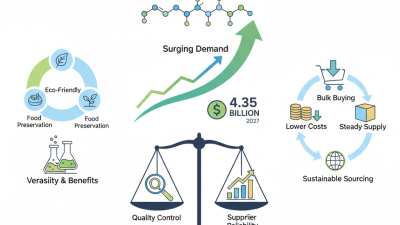
The chitosan market is witnessing an upward trend, driven by increasing demand across various sectors. According to a recent market research report, the chitosan industry is expected to grow at a compound annual growth rate (CAGR) of around 15% by 2025. This growth is largely attributed to its versatility in applications, including pharmaceuticals, food and beverage, and agriculture.
One key insight is the rising consumer preference for natural and biodegradable materials. This shift is pushing manufacturers to explore innovative uses for chitosan. For instance, it's now being integrated into eco-friendly packaging and wound dressings. However, sourcing high-quality chitosan remains a challenge. Not all suppliers meet strict international standards, leading to inconsistencies in product quality.
Tips: When searching for chitosan suppliers, prioritize those who provide clear product specifications and compliance certifications. Check their track record in delivering consistent quality. Do assessments before committing to large orders. Quality can vary significantly, affecting your end product.