What is Wholesale Betaine and Its Benefits for Industry?
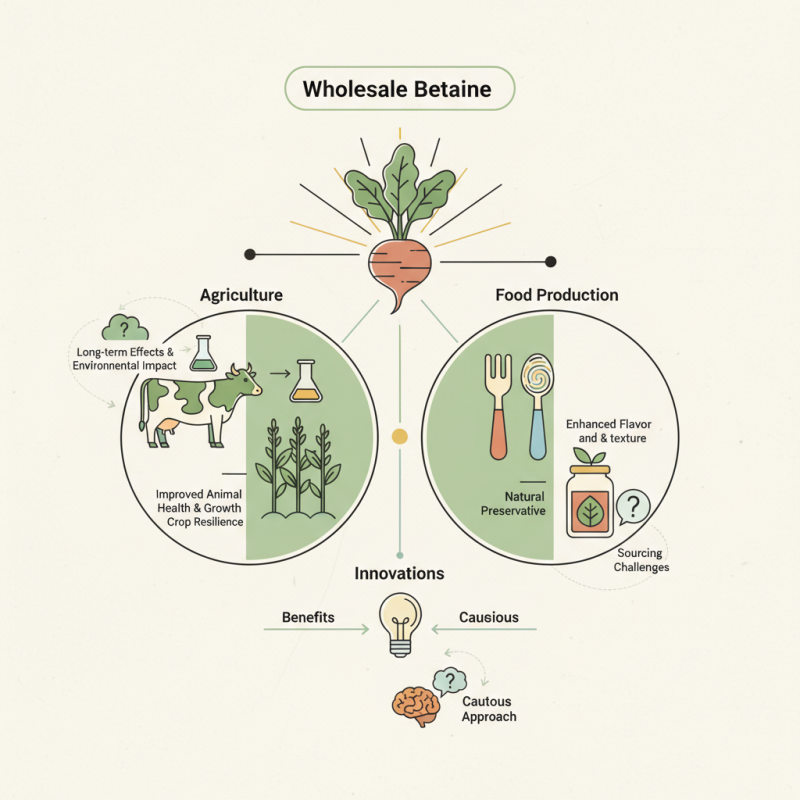
Wholesale Betaine is gaining traction in various industries, from agriculture to food production. According to industry expert Dr. Emily Carter, “Wholesale Betaine plays a crucial role in enhancing product quality and efficiency.” This natural compound, derived from sugar beets, offers numerous benefits, including improved animal health and crop resilience.
In the agricultural sector, Wholesale Betaine serves as a feed additive. It promotes better growth rates and overall animal well-being. Many farmers report increased productivity after incorporating it into their livestock diets. However, some questions linger about its long-term effects and environmental impact.
In the food industry, Wholesale Betaine enhances flavor and texture in various products. It acts as a natural preservative, reducing the need for synthetic alternatives. Still, challenges exist in sourcing quality Betaine competitively. Overall, understanding Wholesale Betaine's advantages can lead to innovations, but we must proceed cautiously and thoughtfully.
What is Wholesale Betaine?
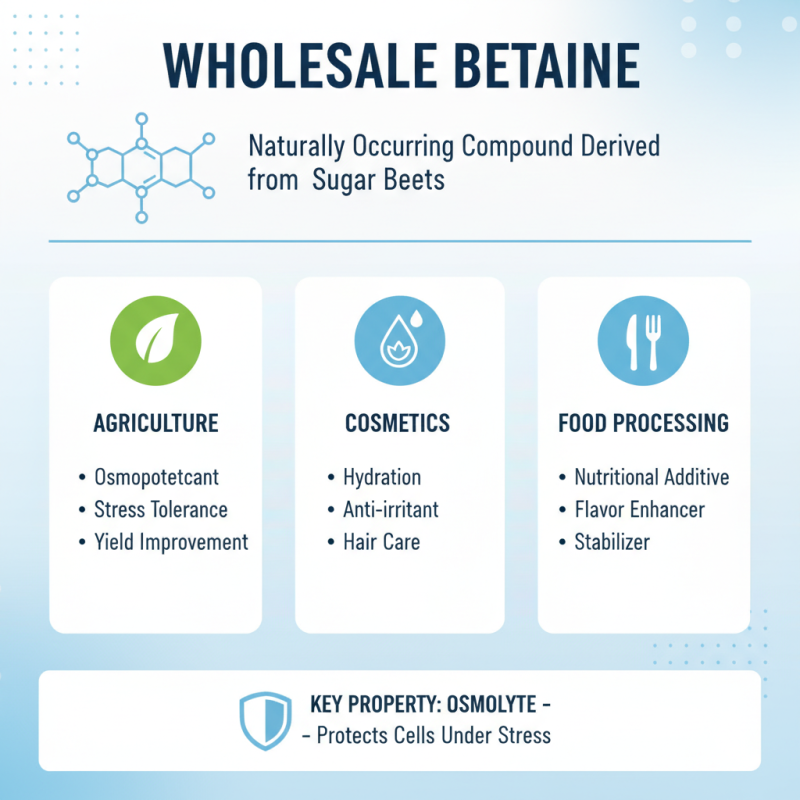
Wholesale betaine is a naturally occurring compound derived from sugar beets. It is a colorless, crystalline substance with a slightly bitter taste. This compound plays a crucial role in various industrial applications. Industries like agriculture, cosmetics, and food processing utilize betaine for its unique properties. Its ability to act as an osmolyte helps in protecting cells under stress.
In agriculture, betaine is used to promote plant growth. It aids in water retention and enhances crop yield. In cosmetics, it serves as a moisturizing agent. Many skincare products contain betaine for its hydrating effects. Food processing also benefits from betaine’s ability to enhance flavor and stability in food products.
Tip: When sourcing wholesale betaine, always check for purity levels. This ensures you get the best quality for your applications. Unexpected results can arise from impurities.
Tip: Consider the intended use when purchasing betaine. Different grades exist for various applications. Always align your choice with industry standards.
The Chemical Structure and Properties of Betaine
Betaine is a naturally occurring compound. It has the molecular formula C5H11NO2. The chemical structure consists of a quaternary ammonium group. This group is attached to a carboxylic acid. The unique properties of betaine contribute to its wide applications.
In the industry, betaine is known for its osmoprotective properties. It helps cells maintain hydration under stress. According to industry reports, betaine can enhance nutrient absorption. A 2020 study indicated it improved feed efficiency in animal nutrition by 10%. These attributes make it valuable in agriculture and aquaculture.
Moreover, betaine functions as an effective detergent and surfactant. It has low toxicity, making it safe for use. Its biodegradable nature also makes it an eco-friendly choice. However, sourcing pure betaine remains challenging. The cost fluctuations in raw materials can impact its manufacturing. This aspect requires careful planning from industries relying on it.
Applications of Betaine in Various Industries
Wholesale betaine is gaining traction across various industries due to its versatile applications and numerous benefits. This naturally occurring compound is primarily used in the animal feed sector, where it enhances livestock growth. Reports show that betaine supplementation can improve feed efficiency by up to 10%. Additionally, this compound supports osmotic balance, crucial for animal health during stress.
In the cosmetics industry, betaine is valued for its moisturizing properties. It helps maintain skin hydration, making it a common ingredient in personal care products. Studies indicate that betaine can reduce skin irritation and improve overall skin texture. This makes it particularly beneficial for sensitive skin formulations.
**Tip:** When considering betaine for formulations, always check for purity levels. High purity often translates to better effectiveness in health benefits.
In the food industry, betaine is recognized for its potential health advantages, including liver support and reducing homocysteine levels. Some reports suggest that betaine may positively impact cardiovascular health. However, users should remain cautious about dosage and individual reactions. Not everyone may experience the same benefits, and research is still ongoing.
**Tip:** Always consult with a nutritionist before starting any new supplement like betaine for health purposes.
Wholesale Betaine Applications in Various Industries
Health Benefits of Betaine in Dietary Supplements
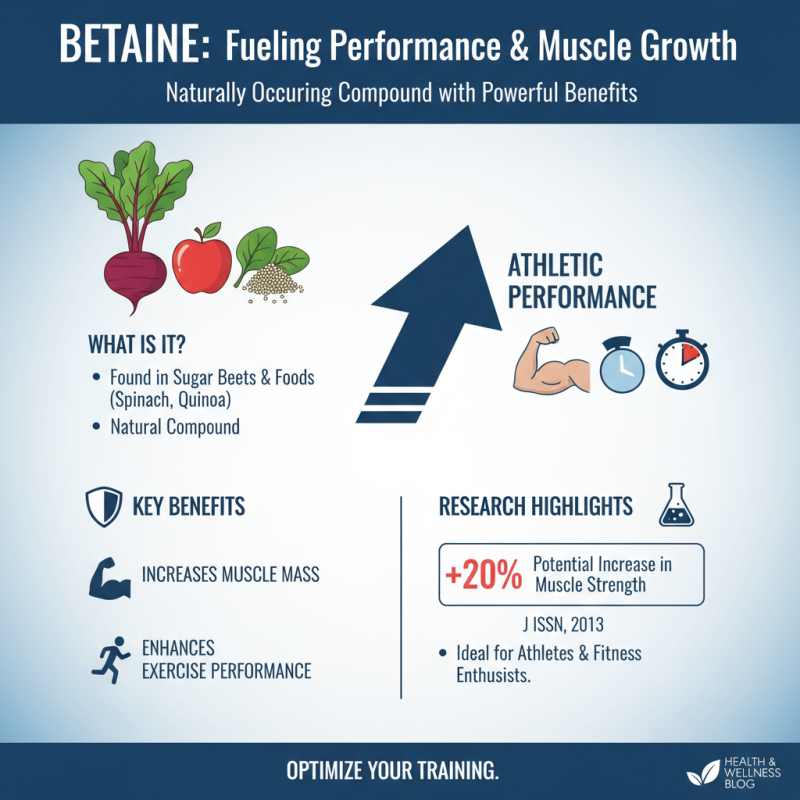
Betaine is a naturally occurring compound found in sugar beets and other foods. Recent studies highlight its potential health benefits, particularly in dietary supplements. Research from the Journal of the International Society of Sports Nutrition indicates that betaine can enhance exercise performance and improve muscle mass. In fact, supplementing with betaine has shown a potential increase in muscle strength by up to 20%. These findings suggest that athletes and fitness enthusiasts might find betaine beneficial for their training routines.
Moreover, betaine is also linked to improved cardiovascular health. A study published in the American Journal of Clinical Nutrition notes that betaine helps lower homocysteine levels. Elevated homocysteine is a risk factor for heart disease. Betaine supplementation may also support liver function, which is crucial for overall health. The presence of betaine in dietary supplements could play a vital role, especially for those looking to maintain optimal health.
However, the conversation around betaine supplementation does raise questions. Not everyone may experience the same benefits. Individual responses can vary significantly based on genetics, diet, and overall lifestyle. More research is needed to fully understand its effects. While betaine presents promising advantages, it is essential to approach supplementation thoughtfully.
Environmental Impact of Betaine Production and Use
The environmental impact of betaine production and use raises several concerns. While betaine is a natural compound derived from sugar beets and other plants, its production process can lead to issues. Water consumption during the extraction phase can strain local water resources. This is particularly concerning in areas already facing water scarcity.
Additionally, the farming of crops used in betaine production can contribute to soil degradation. Intensive agriculture practices often lead to a decline in soil health. The reliance on fertilizers and pesticides further complicates this issue, potentially harming surrounding ecosystems. When betaine is used in various industrial applications, its biodegradability plays a role in its environmental footprint.
In some cases, betaine can accumulate in water bodies, impacting aquatic life. While it is generally recognized as safe, the long-term effects of its presence in ecosystems require further research. Industry players should consider these factors when adopting betaine for their processes. Addressing these environmental challenges needs to be a priority for sustainable development in the sector.
What is Wholesale Betaine and Its Benefits for Industry? - Environmental Impact of Betaine Production and Use
| Dimension |
Description |
Environmental Impact |
Industrial Benefits |
| Source |
Derived from sugar beets, molasses, and certain microorganisms. |
Sustainable sourcing can reduce carbon footprint. |
Used in food, feed, and cosmetic industries. |
| Production Process |
Manufactured through fermentation and crystallization. |
Efficient processes can minimize waste generation. |
Enhances moisture retention in products. |
| Applications |
Food additives, animal feed, dietary supplements. |
Potential for biodegradable applications. |
Improves shelf life and product stability. |
| Health Benefits |
Supports cellular function and reduces homocysteine levels. |
Minimal environmental toxins compared to synthetic alternatives. |
Non-toxic with a favorable safety profile. |
| Sustainability |
Can be produced from renewable resources. |
Fosters eco-friendly industrial practices. |
Reduces reliance on synthetic chemicals. |