2026 Top Uses of Sodium Copper Chlorophyll for Global Buyers?
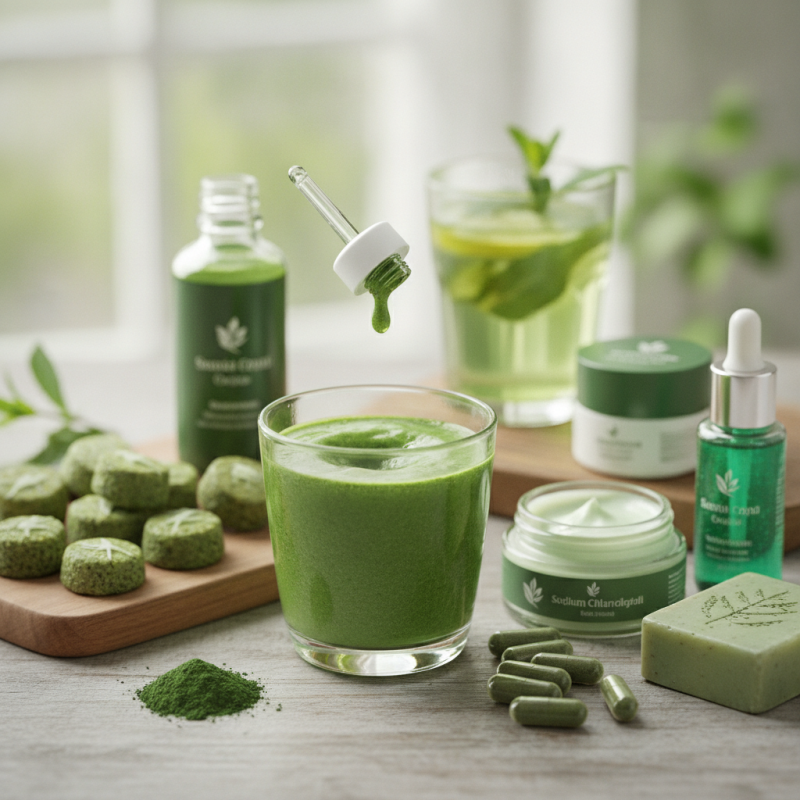
Sodium Copper Chlorophyll is gaining popularity among global buyers for its myriad of uses. This natural pigment offers vibrant color and potential health benefits. Producers have harnessed its properties in food, cosmetics, and supplements.
In the food industry, Sodium Copper Chlorophyll acts as a natural dye. It is used to enhance the visual appeal of products. Consumers are increasingly seeking natural alternatives over synthetic dyes. In cosmetics, its antioxidant properties make it an attractive ingredient. It can improve skin health and serve as a natural fragrance.
Yet, the journey of integrating Sodium Copper Chlorophyll is not without challenges. Buyers must navigate quality variations across suppliers. Proper sourcing is crucial to ensure efficacy and safety. Understanding these factors is essential for anyone looking to utilize this remarkable compound effectively.
Top Applications of Sodium Copper Chlorophyll in Food Industry
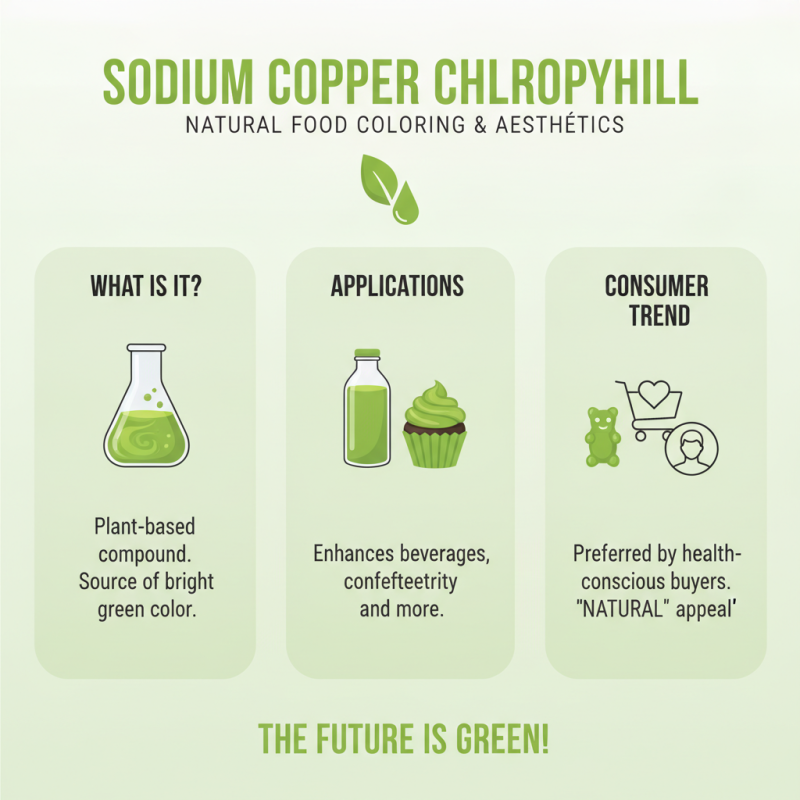
Sodium copper chlorophyll is gaining popularity in the food industry. It serves as a natural colorant, adding vibrant green hues to various products. This compound is extracted from plants, making it appealing to health-conscious consumers. Its rich green color can enhance the visual appeal of foods, from beverages to snacks.
In addition to its aesthetic benefits, sodium copper chlorophyll may offer potential health advantages. Some studies suggest that it has antioxidant properties. These properties can help combat oxidative stress in the body. However, more research is needed to conclusively determine its effects on health. Not all applications guarantee the same results.
Tips: Always check for certifications when sourcing sodium copper chlorophyll. Ensure the product meets safety standards. Consider trialing small batches to assess its impact on flavor and color. This process can help eliminate any unwanted bitterness that sometimes accompanies natural colorants.
Impact of Sodium Copper Chlorophyll on Nutritional Profiles in Food Products
Sodium Copper Chlorophyll has been gaining traction in the food industry for its potential to enhance nutritional profiles. This natural green pigment not only adds visual appeal but also offers beneficial properties. Studies indicate that it may provide antioxidant effects, which can help combat oxidative stress in human cells. A report by the Institute of Food Technologists highlights an increasing interest in plant-based ingredients. This trend aligns with consumer demand for healthier food options.
Incorporating Sodium Copper Chlorophyll into products can improve nutrient absorption. For instance, its presence may boost the bioavailability of essential vitamins and minerals in formulations. A study published in the Journal of Nutritional Science found that green pigments like chlorophyll can enhance digestion. These properties are becoming significant as consumers seek foods that support overall health. However, the effects can vary widely based on dosage and food matrix, necessitating further research.
Regulations around natural colorants remain a concern. While Sodium Copper Chlorophyll is generally recognized as safe, some manufacturers may struggle with consumer misconceptions. Transparency in sourcing and processing is important. A market analysis from Mintel indicates that consumers are increasingly scrutinizing labels. Ensuring clear communication about the benefits and origins of Sodium Copper Chlorophyll could enhance trust and acceptance in the market.
Impact of Sodium Copper Chlorophyll on Nutritional Profiles in Food Products
Market Trends: Growth and Demand Forecast for Sodium Copper Chlorophyll
The market for Sodium Copper Chlorophyll is experiencing notable growth.
As a natural green pigment, its applications span across food, cosmetics, and health industries. Reports indicate a projected
CAGR of 7.2% from 2023 to 2026. This robust growth is driven by rising consumer
awareness about health benefits, particularly in sustainable and organic products.
Significantly, the demand for natural colorants is accelerating in the food sector.
With increasing regulations against synthetic dyes, companies are seeking alternatives. Sodium Copper Chlorophyll serves this purpose effectively.
In cosmetics, its anti-inflammatory properties are appealing for skincare products. This trend reflects a shift in consumer preferences toward
clean-label ingredients.
Challenges still exist in production and sourcing. Ensuring product quality is essential. Various suppliers face issues related to
consistent supply chains. Future market players may need to innovate and diversify
sourcing strategies to overcome these hurdles. Engaging in sustainable practices will be crucial
for long-term success in this evolving market.
Safety and Regulatory Guidelines for Sodium Copper Chlorophyll Usage Globally
Sodium copper chlorophyll is gaining traction in various industries, especially in food and cosmetics. However, safety and regulatory guidelines remain essential. The FDA classifies sodium copper chlorophyll as Generally Recognized as Safe (GRAS). It's crucial for users to adhere to these guidelines to ensure safe consumption.
The European Food Safety Authority (EFSA) has established limits on daily intake. Studies suggest that excessive use may lead to adverse effects. Reliable data shows that consuming it in moderation is vital for maintaining safety. Buyers must stay updated on regulatory updates. Compliance helps maintain product quality and consumer trust.
Manufacturers should also evaluate sourcing practices. Sustainable methods can prevent contamination. Transparency in ingredient origin boosts credibility. This area needs more industry focus. As a global buyer, understanding these regulations is not optional; it's a necessity. Being informed can mitigate risks and enhance marketability in a competitive landscape.