Top 5 Tips for Sourcing China Sodium Copper Chlorophyllin Powder
In the competitive landscape of natural colorants and dietary supplements, sourcing high-quality sodium copper chlorophyllin is crucial. Mr. Li Wei, an expert at a leading China Sodium Copper Chlorophyllin Powder Factory, states, “Understanding the sourcing process can lead to better product quality.” His insights highlight the importance of selecting reputable suppliers.
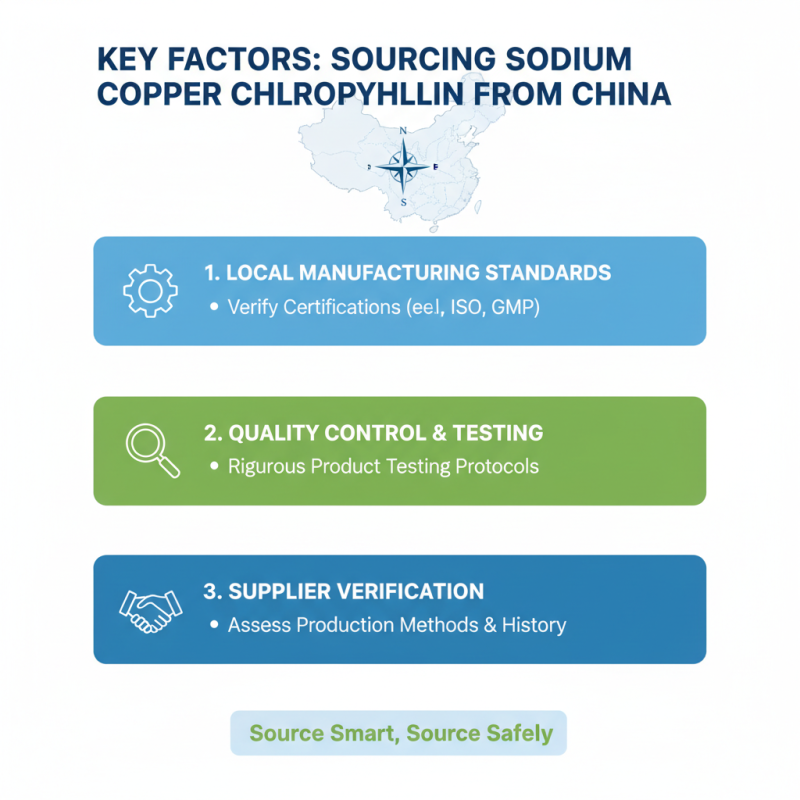
When sourcing these powders, consider factors such as quality standards, supplier reliability, and pricing. It’s essential to verify that the factory follows strict quality control measures. Reviews and certifications can guide your choice. A well-established China Sodium Copper Chlorophyllin Powder Factory will often have a track record of delivering consistently.
However, not all suppliers meet high standards. Researchers found that some factories prioritize profit over quality. This can lead to subpar products. Conduct your due diligence to avoid potential pitfalls. Engaging with experts, visiting facilities, or requesting samples can provide deeper insights into the supplier's capabilities. These steps are vital for ensuring you source only the best sodium copper chlorophyllin.
Understanding Sodium Copper Chlorophyllin Powder and Its Uses
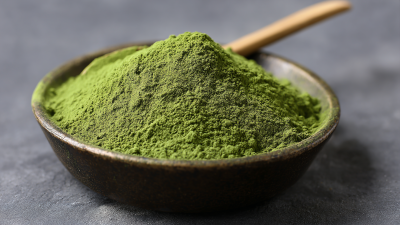
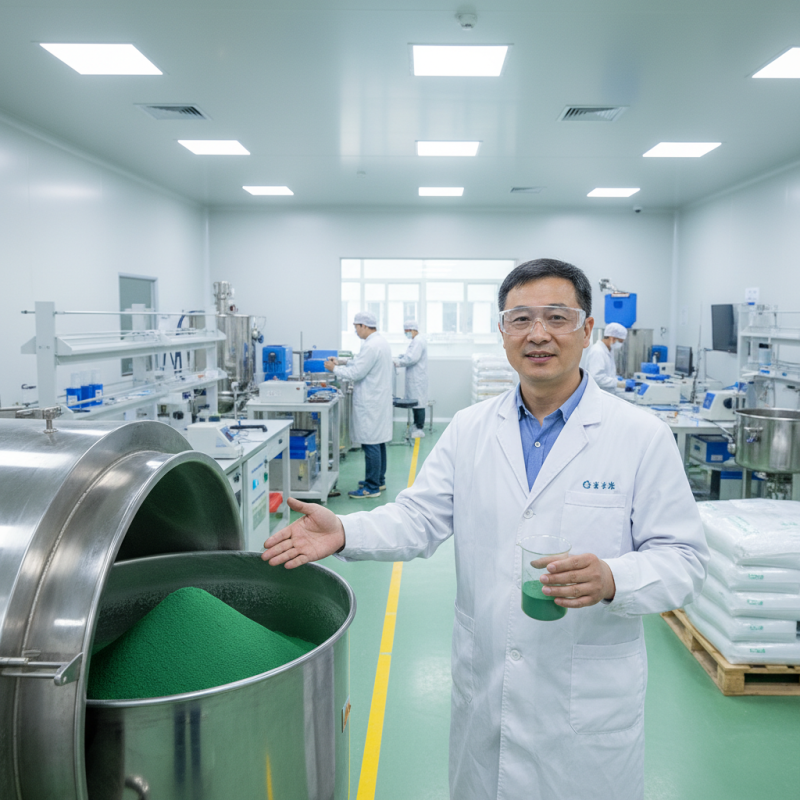
Sodium copper chlorophyllin powder is a vibrant green pigment derived from chlorophyll. It offers numerous health benefits, including antioxidant properties. This powder is commonly used in food, cosmetics, and dietary supplements. Understanding its applications can enhance product quality and consumer appeal.
When sourcing this ingredient, consider quality. Look for suppliers with certifications. Transparency about sourcing and production methods is essential. Ask for third-party testing results to ensure purity and potency. This due diligence helps maintain ingredient credibility and safety, crucial for building trust with customers.
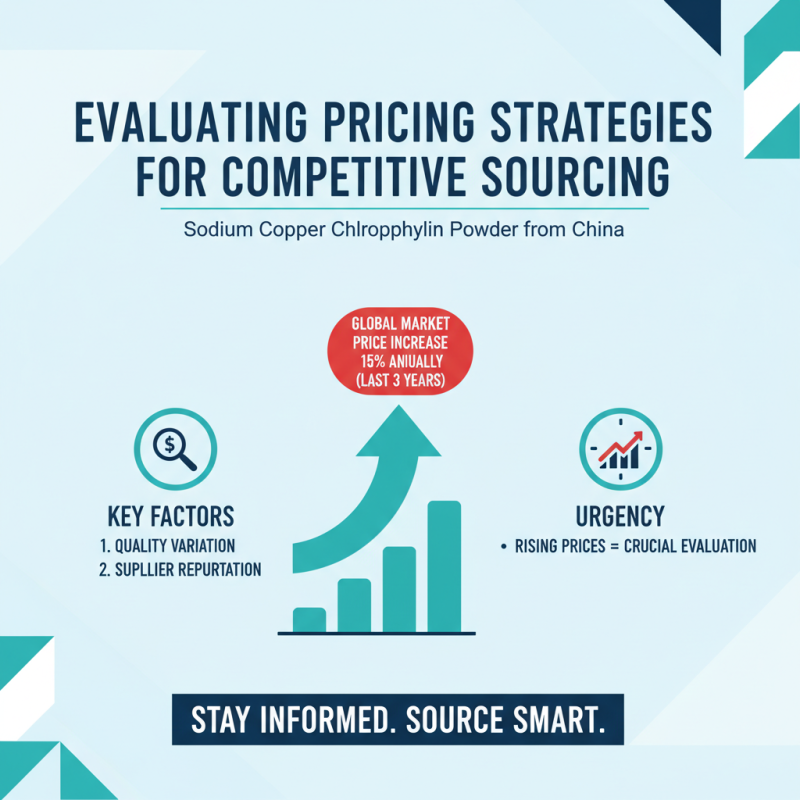
Pricing is another vital factor. Balance cost with quality. Cheap options may lead to lower standards. Explore different suppliers to understand market rates. Establish relationships with reliable manufacturers. This can lead to better terms and consistent supply. Sustainable sourcing practices are increasingly important, aligning with consumer values.
Usage of Sodium Copper Chlorophyllin Powder by Sector
Identifying Reliable Suppliers for Quality Chlorophyllin Powder
Identifying reliable suppliers for sodium copper chlorophyllin powder is crucial in today’s market. A report by MarketsandMarkets indicates that the global market for dietary supplements, which includes chlorophyllin, was valued at over $140 billion in 2020. With such significant demand, choosing the right supplier can be daunting.
Many suppliers claim to offer top-quality products. However, not all are equal. Verifying a supplier’s certifications is vital. Look for ISO and GMP certifications, as these indicate adherence to quality standards. In 2023, around 30% of sourcing issues were attributed to inadequate supplier credentials. Therefore, establishing a thorough vetting process can save headaches later.
Communication plays a key role in sourcing. Suppliers should be transparent about their sourcing methods and production processes. Engage with them to gauge their knowledge of industry standards. Sometimes, even minor details reveal a lot about the supplier's reliability. For instance, if a supplier lacks clear sourcing practices, it may indicate potential quality issues. The annual growth rate for sodium copper chlorophyllin is projected at over 5% by 2025, underscoring the importance of choosing wisely.
Navigating Import Regulations and Compliance for Chlorophyllin Powder
Sourcing chlorophyllin powder from China requires a thorough understanding of import regulations. Many importers focus solely on product quality, yet compliance can make or break the deal. Navigating the complex landscape of regulations is crucial. Each country has its own set of rules governing food additives and natural colors. Researching these rules is essential to avoid delays at customs.
Understanding labeling requirements is another vital step. Proper labeling ensures product acceptance in your target market. Misleading labels can lead to penalties or product rejection. Providing accurate information fosters trust with your customers. It's worth considering how minor label modifications can simplify your import process. Relying on professionals for assistance can help avoid pitfalls.
You must also consider documentation requirements. Proper documentation is vital for smooth clearance. A missing certificate can lead to hold-ups. Every shipment should have complete paperwork, including health certificates, invoices, and packing lists. Awareness of customs duties and taxes can also impact your decision-making. Importing chlorophyllin powder is complex, yet manageable with careful research and the right support.
Top 5 Tips for Sourcing China Sodium Copper Chlorophyllin Powder
| Tip No. |
Tip Description |
Key Considerations |
| 1 |
Research Suppliers Thoroughly |
Check credentials, certifications, and company history |
| 2 |
Understand Import Regulations |
Familiarize yourself with local and international regulations for chlorophyllin |
| 3 |
Request Samples Before Purchase |
Ensure product quality and verify claims of purity |
| 4 |
Negotiate Clear Contracts |
Outline payment terms, delivery schedules, and quality standards |
| 5 |
Utilize Experienced Import Agents |
Leverage expertise in navigating complex import processes |