Top 10 Calcium Ascorbate Suppliers You Should Know?
Calcium ascorbate, a vital nutrient, plays a significant role in the health industry. Its use as a dietary supplement is increasing. The global calcium ascorbate market is projected to reach USD 618 million by 2025, indicating robust demand. Choosing a reliable Calcium Ascorbate Supplier is critical for manufacturers and consumers alike.
Several factors influence the choice of suppliers, including product quality, pricing, and supply chain reliability. The market is competitive. However, not all suppliers meet industry standards. A supplier's manufacturing practices and certifications greatly impact product safety. Some suppliers may lack transparency, which raises concerns for end-users.
It is essential to reflect on the suppliers you trust. Evaluating their reputation through customer reviews can shed light on their reliability. Industry reports indicate that some suppliers often compromise quality for cost. Therefore, due diligence is vital. Knowing the top suppliers can help ensure you obtain the best quality calcium ascorbate.

Overview of Calcium Ascorbate and Its Uses
Calcium ascorbate is a nutrient combination of calcium and ascorbic acid, commonly known as vitamin C. This compound plays a vital role in human health. It acts as an antioxidant, protecting cells from damage. Many people use calcium ascorbate as a dietary supplement. It helps boost the immune system and improve skin health. The presence of calcium adds additional benefits, supporting bone density and overall health.
In foods, calcium ascorbate can enhance nutritional content. It's often used in fortified products, ensuring individuals receive adequate vitamin C and calcium. Some might question its availability in natural sources. While whole foods provide nutrients, supplements can fill gaps in the diet. However, reliance on supplements alone can be problematic. Overconsumption can lead to digestive issues. It's essential to find the right balance and consult health professionals. Calcium ascorbate does serve practical uses, but one should reflect on their dietary choices.
Criteria for Selecting Quality Calcium Ascorbate Suppliers
Choosing the right supplier for calcium ascorbate requires careful consideration. Quality is paramount. The supplier should provide certificates of analysis. This ensures the product meets safety and efficacy standards. Transparency in sourcing and manufacturing is vital. Look for detailed information about their extraction process and ingredient origins. Simple claims are not enough; real data matters.
Another key factor is customer service. A responsive team can make a difference. Suppliers should be willing to address inquiries promptly. Communication can indicate how they value their clients. Inconsistent responses might be a red flag.
Also, consider their industry experience. How long have they been in business? A longer history might suggest reliability. However, watch for outdated methods. Innovation is crucial in the supplement industry. Finally, pricing should reflect quality. Cheap options might sacrifice vital attributes. Balancing cost and quality requires careful assessment.
Top 10 Calcium Ascorbate Suppliers You Should Know
| Rank |
Supplier Location |
Quality Standard |
Production Capacity (tons/year) |
Certifications |
Average Lead Time (days) |
| 1 |
USA |
GMP, ISO 9001 |
500 |
FDA, Kosher |
30 |
| 2 |
Germany |
HACCP, ISO 22000 |
300 |
EU Organic, Halal |
25 |
| 3 |
China |
ISO 9001, FSSC 22000 |
1000 |
FDA, Halal |
40 |
| 4 |
India |
GMP, ISO 14001 |
400 |
Kosher, GMP |
35 |
| 5 |
Brazil |
ISO 9001, HACCP |
250 |
Halal, Organic |
20 |
| 6 |
Canada |
GMP, ISO 9001 |
600 |
FDA, Kosher |
28 |
| 7 |
Japan |
ISO 9001, FSSC 22000 |
450 |
FDA, Halal |
22 |
| 8 |
India |
GMP, HACCP |
350 |
Kosher, Organic |
30 |
| 9 |
Australia |
ISO 14001, HACCP |
600 |
FDA, Halal |
26 |
| 10 |
Netherlands |
GMP, ISO 9001 |
200 |
Kosher, GMP |
32 |
Top 10 Calcium Ascorbate Suppliers: A Detailed Review
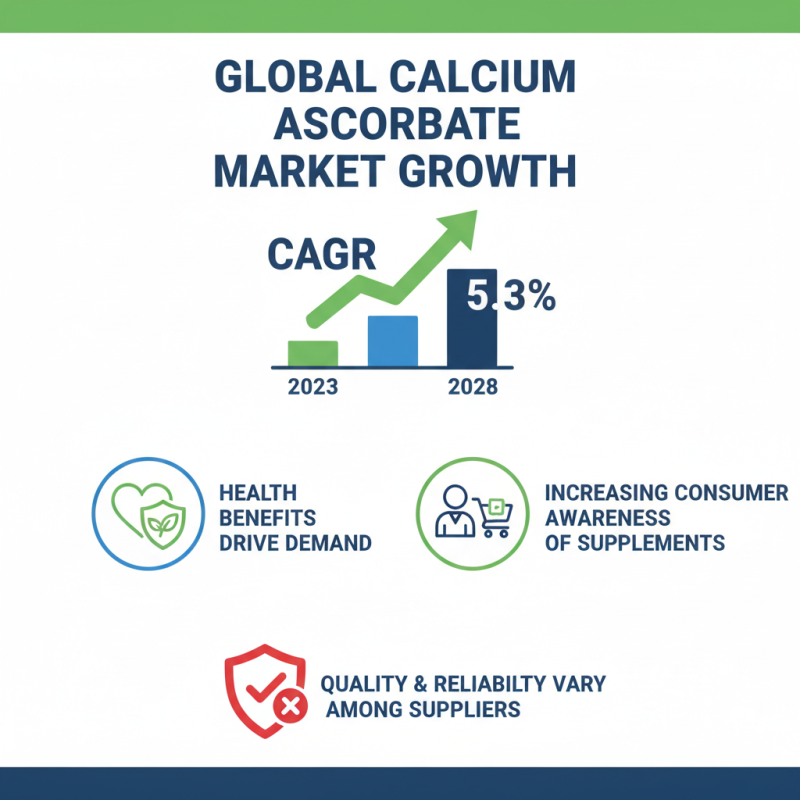
The demand for calcium ascorbate has surged in recent years, primarily due to its health benefits. Reports indicate that the global calcium ascorbate market is projected to grow at a CAGR of 5.3% between 2023 and 2028. This growth reflects the increasing awareness of dietary supplements among consumers. However, not all suppliers offer the same quality or reliability.
Several key players dominate the market. They focus on providing high-purity calcium ascorbate. While many suppliers claim to adhere to stringent quality control, some may lack comprehensive testing protocols. For instance, inconsistencies in batch quality can occur. Industry standards recommend each batch undergo rigorous analysis. Suppliers should invest in third-party testing to ensure product integrity.
In addition, pricing variability is common among suppliers. Some may offer competitive prices, but compromises in quality could affect overall health benefits. Buyers often face challenges in selecting the right supplier. Transparent communication and robust certification are crucial. Reliable suppliers provide certifications, but not all do so consistently. It's essential to closely analyze supplier practices before making decisions.
Comparative Analysis of Supplier Offerings and Pricing
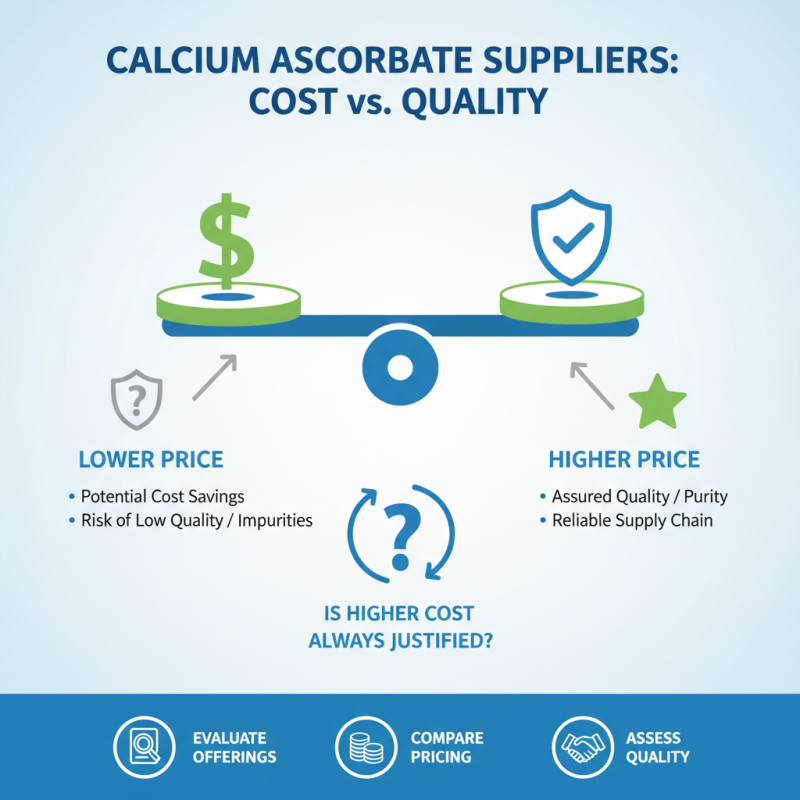
When exploring calcium ascorbate suppliers, evaluating their offerings and pricing is essential. Many suppliers provide similar products, yet their pricing structures can vary significantly. Some might offer competitive rates but lack quality assurance. Others could have higher prices, reflecting better quality. This discrepancy raises the question: is higher cost always justified?
Consideration of additional services is vital. Some suppliers might offer bulk purchasing discounts, while others could provide shorter lead times. A supplier’s customer service and support also play a critical role in overall satisfaction. If a supplier promises quick shipping but fails to deliver, frustrations will arise.
Understanding quality control practices is necessary, too. Not all suppliers adhere to the same standards, which could impact product effectiveness. A lack of transparency regarding sourcing and production can leave buyers uncertain. Therefore, careful assessment of supplier processes is key to making informed choices. Without thorough evaluation, essential details may be overlooked, leading to potential regret.
Future Trends in the Calcium Ascorbate Supply Market
The calcium ascorbate supply market is evolving rapidly. Industry reports indicate a projected growth rate of 5.2% annually until 2028. This growth stems from increasing demand across the dietary supplement sector. Healthcare professionals emphasize the importance of vitamin C in immunity, pushing calcium ascorbate to the forefront.
Sustainability is a critical consideration in supply trends. Many suppliers are now focusing on eco-friendly sourcing methods. According to recent data, around 40% of producers are looking into sustainable practices. This shift poses challenges for traditional supply chains. Ensuring quality while being eco-conscious is no small feat.
Consumer awareness regarding health benefits drives more innovation in formulations. Companies are now exploring various blends of calcium ascorbate with other vitamins. Reports also show a slight oversupply risk in certain regions, prompting firms to reassess their inventories. Moreover, as the market saturates, suppliers may need to adapt their strategies to maintain competitiveness.
Top 10 Calcium Ascorbate Suppliers Market Trends