The search for the 2026 top Bulk Ursolic Acid Powder suppliers requires more than comparing quoted prices. Buyers need evidence of identity, purity, manufacturing consistency, and dependable export documentation. Ursolic acid is a pentacyclic triterpenoid commonly obtained from botanical sources, including apple peel, rosemary, and other plant materials. Its supply chain can therefore vary sharply by origin, extraction method, and seasonal raw-material quality.
Recent analyses from Grand View Research and MarketsandMarkets describe continued growth across botanical extracts and nutraceutical ingredients. These reports also highlight stronger demand for traceable sourcing, standardized active content, and documented quality systems. The reports do not rank individual ursolic acid suppliers. However, they provide useful market context for evaluating manufacturers in 2026. Buyers should examine HPLC results, residual-solvent testing, heavy-metal limits, microbiological data, and batch-to-batch specifications. A clear Certificate of Analysis matters.
Small details reveal operational maturity.
For example, a reliable supplier should explain its packaging liner, storage temperature, shelf life, and retest policy. ISO 9001 or GMP-related controls can support confidence, but certificates should be verified against the actual production site. USP-NF principles and relevant WHO quality guidance may also help buyers structure their checks, although they do not automatically approve every commercial powder.
Price alone misleads. A cheaper batch may reflect weaker testing or inconsistent standardization. Even a careful comparison can miss changes in capacity, crop availability, or regional regulations. This guide therefore assesses supplier credibility through documented evidence, technical communication, and practical fulfillment performance—not promotional claims.
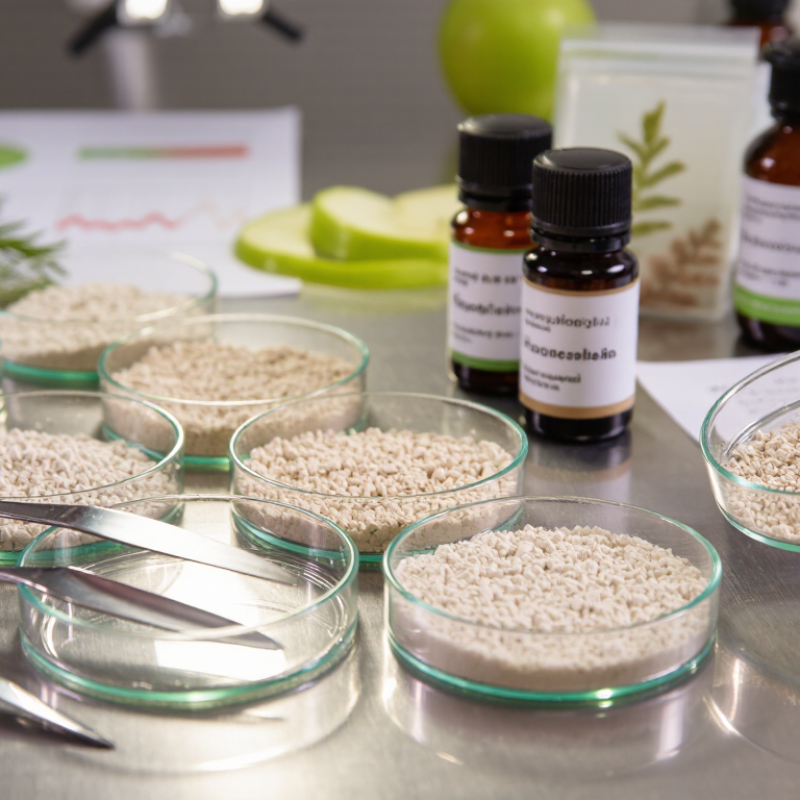
Ursolic acid powder is a plant-derived triterpenoid compound. It occurs naturally in apple peels, rosemary, thyme, and holy basil. After extraction and purification, it appears as a fine, pale powder. The material is usually assessed by high-performance liquid chromatography, or HPLC. A strong specification should state assay, moisture, particle size, and extraction source.
Its uses are mainly found in research, nutrition formulations, and cosmetic development. Laboratory studies examine antioxidant, anti-inflammatory, metabolic, and muscle-related activity. However, laboratory results do not prove human benefits. Ursolic acid also has limited water solubility, which can affect absorption. This detail is often overlooked.
For bulk purchasing in 2026, buyers should request a recent certificate of analysis for every batch. Testing should cover identity, purity, heavy metals, pesticides, microbes, and residual solvents. Traceable production records matter. GMP-based manufacturing is preferable, but certification alone is not enough. Supplier websites can sound convincing. Documents deserve closer review. A clean-looking powder may still have inconsistent potency. I would compare three batches before approving long-term supply, although many buyers skip that step under time pressure. Clear storage guidance, sealed packaging, and stable logistics also protect quality during transport.
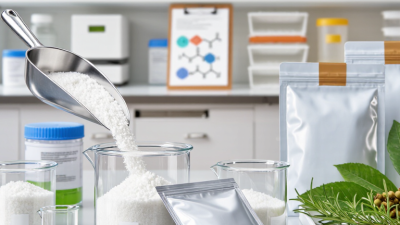
2026 Top Bulk Ursolic Acid Powder Suppliers?
Bulk buyers should judge ursolic acid powder by documented quality, not price or assay claims alone. A practical audit lesson is simple: a high assay number can still mislead. Request the botanical source, extraction method, batch number, and complete certificate of analysis. The certificate should show HPLC identity, assay, moisture, ash, residual solvents, heavy metals, and microbiological results. USP <61> and USP <62> provide useful microbial testing frameworks. ISO/IEC 17025 accreditation also strengthens laboratory credibility.
Quality limits need clear methods and units. For residual solvents, compare results with ICH Q3C limits, rather than accepting “passes” without figures. For elemental impurities, ICH Q3D offers a risk-based control model. The WHO Guidelines on Good Manufacturing Practices for Herbal Medicines also stress traceability, validated processes, and contamination control. These references matter because plant extracts can vary with harvest season, drying temperature, and solvent recovery. Small process changes may alter color, odor, and assay stability.
Independent testing is preferable for first orders. Compare at least three retained samples from different production lots. Check whether the powder forms hard lumps after storage at 25°C and 60% relative humidity. This detail is often overlooked. It should not be. The 2023 Global Dietary Supplements Market report from Grand View Research shows continued expansion in botanical ingredients, but market growth does not prove supplier quality. Buyers should still review stability data, audit records, and corrective-action history. Some documentation may look complete yet remain technically weak. That uncertainty deserves attention.
Common bulk-buyer quality benchmarks for ursolic acid powder
The chart summarizes commonly requested purchasing benchmarks: assay should meet or exceed 98% by HPLC, while moisture, heavy metals, total plate count, and yeast and mold should remain within stated maximum limits. Actual acceptance criteria may vary by application, destination market, and supplier specification, so each batch should be verified against its current COA and independent testing requirements.
How to Evaluate Top Ursolic Acid Powder Suppliers
A strong ursolic acid powder supplier should provide more than a high purity number. Verify the botanical source, extraction solvent, batch number, and country of processing. The World Health Organization reports that 170 of 194 member states use traditional medicine, increasing pressure for dependable botanical quality. That demand also creates exaggerated claims. Be cautious.
Request a recent certificate of analysis for every production batch. Check assay results, residual solvents, heavy metals, pesticides, moisture, and microbial limits. USP General Chapters <61> and <62> provide recognized approaches for microbial testing. An independent laboratory should follow ISO/IEC 17025. For identity, ask whether HPLC, LC-MS, or another validated method was used. ICH Q2(R2), adopted in 2023, emphasizes specificity, accuracy, precision, and range in analytical validation. A single HPLC peak is not enough.
Tips: Compare three batches, not one. Confirm that the sample matches the shipped powder. Inspect particle size, color, odor, and packaging seals. Ask for storage data and retest dates. Traceability matters. Keep written records.
I would also review the supplier’s change-control process. Raw material changes can affect ursolic acid content and appearance. Supplier audits are useful, but they are not perfect. I still treat one attractive COA as incomplete evidence. Clear answers, consistent testing, and realistic specifications usually reveal more than polished sales language.
Reliable bulk ursolic acid powder begins with controlled manufacturing, not attractive sales language. Suppliers should explain the botanical source, extraction method, solvent controls, crystallization process, drying temperature, and particle-size management. These details affect purity, color, flowability, and stability. I would also ask whether production follows documented quality procedures and whether equipment cleaning prevents cross-contamination.
Testing must match the intended application. A current, batch-specific certificate of analysis should report identity, assay, moisture, ash, residual solvents, heavy metals, and microbial limits. HPLC is commonly used for identity and potency testing, but the method should include validation information or clear acceptance criteria. Pesticide screening may also matter when the raw botanical source varies. Independent laboratory verification adds confidence. Still, one test cannot prove everything.
Documentation often reveals the supplier’s real discipline. Request a specification sheet, safety data sheet, allergen statement, country-of-origin record, traceability information, and stability data when available. The lot number should connect the sample, production record, test results, and shipment documents. I have seen polished certificates with vague testing dates. That is a warning sign. A supplier may meet the specification today, yet provide weak change-control records tomorrow. Ask how deviations, complaints, retesting, and storage conditions are recorded. Supplier qualification should include a technical review, sample evaluation, and a small pilot order before committing to regular bulk purchasing.
Selecting a 2026 bulk ursolic acid powder supplier requires more than comparing the lowest quote. Grand View Research’s 2024 botanical extracts report valued the broader market at approximately USD 7.4 billion in 2023, with continued growth expected through 2030. That demand can improve production scale, but ursolic acid remains a specialized ingredient. Prices commonly vary from USD 90 to USD 280 per kilogram for standard bulk grades, depending on assay, source material, and order volume.
Minimum orders deserve equal attention. Practical quotations may begin at 1–5 kilograms for samples, while commercial orders often start at 25 kilograms or more. Ask for HPLC results, residual-solvent data, heavy-metal limits, microbiological testing, and a recent certificate of analysis. A low price without batch traceability is not a saving. It is a procurement risk. One weakness in many comparisons is that they treat “98% purity” as identical across suppliers, although testing methods and moisture controls can differ.
Delivery terms also change the real cost. Air freight may reach major markets in 5–12 business days, while sea freight can take 25–45 days, excluding customs clearance. The World Bank’s 2023 Logistics Performance Index shows that customs, infrastructure, and shipment reliability strongly affect international delivery performance. Request DAP and FOB quotations separately, with packaging details and insurance stated clearly. I would also reserve a small portion of the budget for retesting after arrival. That step feels excessive, but it can expose unexpected variation.
Anonymized 2026 procurement benchmark for bulk ursolic acid powder. The ranges below are indicative market levels for plant-derived ursolic acid and should be confirmed through a current quotation, specification review, and sample approval.
| Supplier Profile | Typical Product Specification | Indicative Bulk Price | Typical MOQ | Common Pack Sizes | Estimated Lead Time | Global Delivery Options | Documents Commonly Available | Best Fit |
|---|---|---|---|---|---|---|---|---|
| Large botanical-extract manufacturer | Ursolic acid powder, usually 98% assay or higher; plant-derived; standard commercial grade | US$90–180/kg | 25–100 kg | 1 kg, 5 kg, 25 kg fiber or HDPE drums | 3–6 weeks after order confirmation | Sea freight, air freight, and courier delivery; common export terms include FOB, CIF, and DDP | Certificate of analysis, specification sheet, SDS, allergen statement, and origin statement | Regular nutraceutical production and cost-sensitive bulk purchasing |
| Specialized high-purity ingredient producer | 98%–99% ursolic acid; tighter assay and impurity limits; batch-to-batch quality controls | US$150–300/kg | 10–25 kg | 100 g, 500 g, 1 kg, and 5 kg sealed containers | 4–8 weeks, depending on production scheduling | Air cargo and express courier for samples or small lots; sea freight for larger orders | Certificate of analysis, HPLC data, heavy-metal results, microbiological results, SDS, and stability information when available | Formulation development, premium supplements, and buyers requiring stronger quality documentation |
| Bulk botanical raw-material exporter | Typically 90%–98% assay; product specifications may vary by harvest, extraction method, and batch | US$65–140/kg | 50–200 kg | 10 kg, 25 kg, and 50 kg export cartons or drums | 2–5 weeks for available stock; longer for made-to-order batches | FOB or CIF sea freight; air freight available at additional cost | Basic certificate of analysis, SDS, packing list, commercial invoice, and certificate of origin | Industrial-scale purchasing where price and volume are the main priorities |
| Regional distributor or stockholding supplier | Commonly 98% assay; specifications depend on the upstream manufacturer and available inventory | US$180–360/kg | 1–25 kg | 100 g, 500 g, 1 kg, and 5 kg containers | 2–10 business days when local stock is available | Domestic parcel service, express courier, and regional air freight; reduced customs complexity | Certificate of analysis, SDS, invoice, traceability information, and local-language compliance documents where applicable | Research, pilot production, urgent replenishment, and small-batch purchasing |
| Custom-manufacturing and private-specification supplier | Customer-defined assay, particle size, residual-solvent limits, packaging, and testing requirements | US$220–500+/kg | 25–100 kg, depending on customization | Customized inner bags, drums, cartons, or tamper-evident containers | 6–12 weeks, including specification approval and production | Sea freight, air freight, and door-to-door logistics subject to destination regulations | Full specification, certificate of analysis, HPLC chromatogram, GMP-related documents where applicable, SDS, and change-control statement | Regulated markets, differentiated formulations, and buyers needing customized quality controls |
| Research-grade laboratory supplier | High-assay reference material or analytical-grade ursolic acid; small-pack format rather than production bulk | US$400–1,200/kg equivalent | 10–500 g | 10 mg, 100 mg, 1 g, 10 g, and 100 g vials or bottles | 3–15 business days when in stock | Express courier with temperature and handling controls when required | Certificate of analysis, purity data, SDS, reference-standard information, and analytical documentation | Method development, identity testing, reference work, and early-stage formulation research |
Pricing is normally affected by assay level, extraction yield, order volume, testing requirements, packaging, payment terms, freight, duties, and destination regulations. Before placing an order, buyers should request a recent certificate of analysis, confirm the botanical source and extraction process, review residual-solvent and heavy-metal limits, and verify that the proposed delivery term covers customs and import responsibilities.