Top 10 Benefits of Phytic Acid for Skin Health?
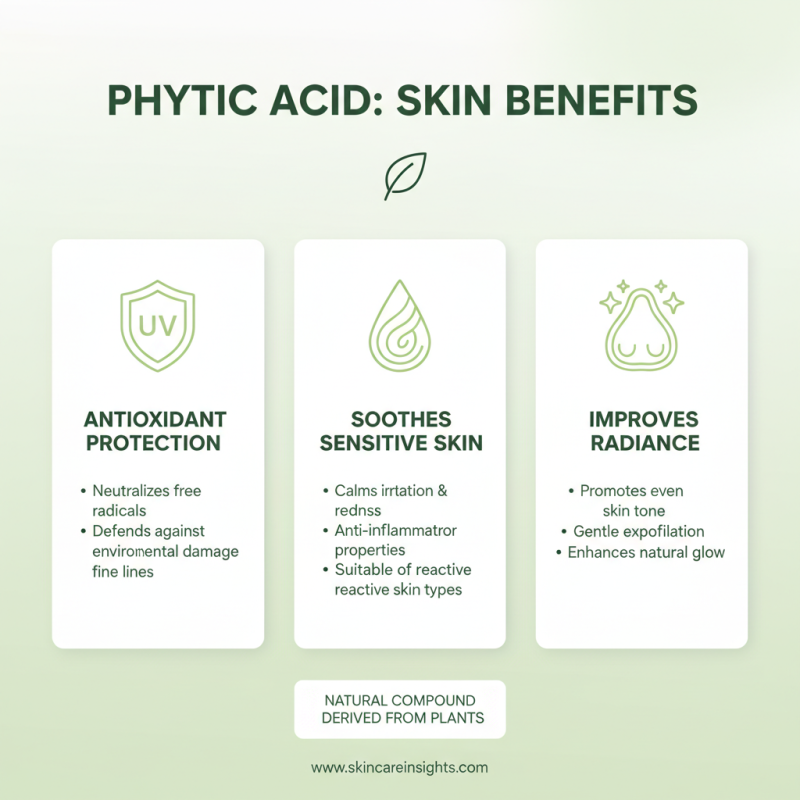
Phytic Acid, a lesser-known ingredient, is gaining attention in skincare. Dr. Emily Carter, a renowned dermatologist, states, "Phytic Acid offers unique advantages for skin health." This powerful antioxidant, extracted from plant seeds, is packed with benefits that enhance our skin’s appearance and vitality.
Many skincare enthusiasts appreciate Phytic Acid for its mild exfoliating properties. It gently removes dead skin cells, revealing a brighter complexion. However, some users may initially experience irritation. It's essential to patch-test products containing Phytic Acid before applying them widely.
Beyond exfoliation, Phytic Acid also boasts impressive anti-inflammatory benefits. It calms redness and soothes sensitive skin. Yet, not all formulations are created equal. Some products may lack sufficient concentrations to be effective. Identifying the right product can be a journey. With ongoing research, Phytic Acid is becoming a staple for those seeking healthier skin.
Phytic Acid: An Overview of Its Role in Skin Health
Phytic acid, a natural compound found in various plant seeds, holds promise for skin health. It acts as an antioxidant, protecting skin from environmental damage. This property helps reduce the appearance of fine lines and wrinkles. When applied topically, phytic acid can help calm irritation, making it suitable for sensitive skin.
In addition to its soothing benefits, phytic acid aids in exfoliation. It loosens dead skin cells, allowing for a smoother complexion. Regular use may contribute to brighter, more even-toned skin. However, it’s essential to note that not everyone may see immediate results. Some individuals might experience initial irritation, making it crucial to test products beforehand. It's a balancing act, exploring its benefits while staying mindful of potential reactions.
Furthermore, phytic acid's role in skin health isn’t entirely straightforward. It can bind to minerals, posing a risk of deficiency if overused. Users must approach it with caution. Finding the right concentration is key to maximizing its benefits without unwanted effects. Observing how your skin reacts can provide valuable insights into its effectiveness.
Antioxidant Properties of Phytic Acid for Skin Protection
Phytic acid, a natural antioxidant, offers significant benefits for skin protection. Found in many nuts, grains, and seeds, it acts as a powerful scavenger of free radicals. In skincare, these free radicals can accelerate aging and damage skin cells. With clinical studies showing that antioxidants can reduce oxidative stress, phytic acid emerges as a compelling ingredient.
Research indicates that phytic acid can inhibit skin inflammation. A study published in the Journal of Cosmetic Dermatology highlights its potential to minimize skin irritation. This suggests that incorporating phytic acid into skincare could enhance skin resilience against environmental stressors. Furthermore, regular use may lead to a brighter complexion over time.
Despite these benefits, the stability of phytic acid in formulations can be a concern. It may degrade when exposed to light or air, reducing its effectiveness. This limitation calls for careful formulation strategies. Also, individuals with sensitive skin should patch test products before use. Understanding phytic acid's properties fully requires ongoing research and development in the skincare industry.
Moisturizing Effects: How Phytic Acid Benefits Dry Skin
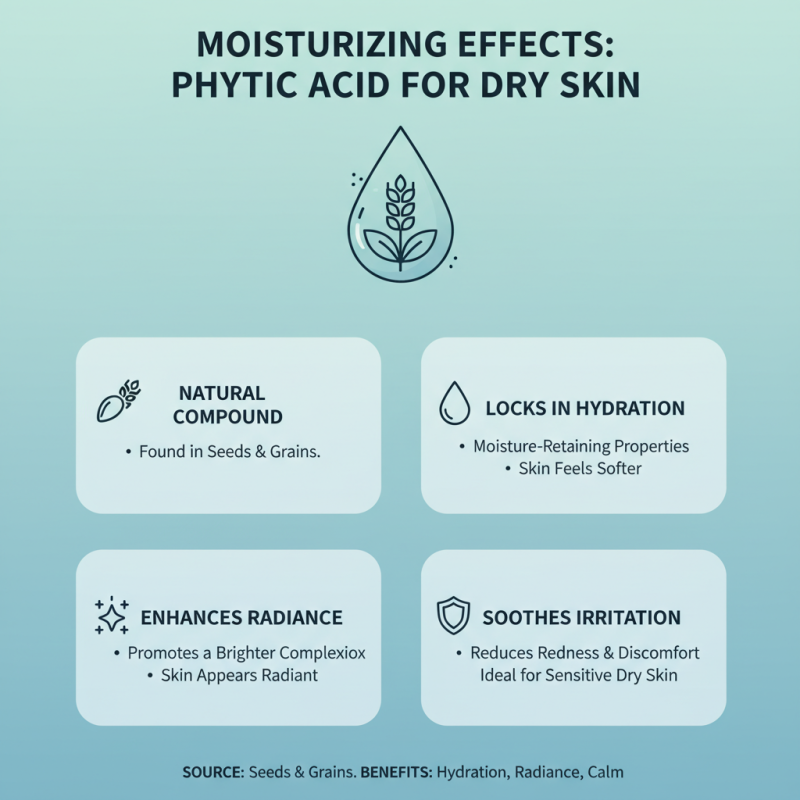
Phytic acid is gaining popularity for its many benefits, particularly for those with dry skin. This natural compound, found in seeds and grains, has moisture-retaining properties. It can help lock in hydration, making it an excellent option for dry skin. The skin feels softer and appears more radiant after use. Phytic acid also helps reduce irritation, which is often a concern for dry skin types.
When using products containing phytic acid, consider these tips: Always patch test first. This will help you avoid any adverse reactions. If irritation occurs, refrain from using the product further. Incorporating phytic acid into your routine slowly might be beneficial. Consider starting with a lower concentration, then gradually increasing.
Using phytic acid can also enhance the skin's overall texture. It may help slough away dead skin cells, revealing a smoother surface. However, it's essential to stay aware of how your skin responds. Some may experience initial dryness before improvement. Listen to your skin; if it feels tight or irritated, assess your routine. Balance is crucial in any skincare regimen, especially when introducing new ingredients.
Phytic Acid as a Natural Exfoliant for Skin Renewal
Phytic acid is gaining attention as a natural exfoliant, making it a popular choice for skin health. It helps to slough away dead skin cells, revealing a fresher complexion underneath. This gentle exfoliation promotes skin renewal, offering a bright and smooth appearance. Users often notice fewer blemishes and an even skin tone after regular use.
When incorporating phytic acid into your skincare routine, it's crucial to start slow. For beginners, using products containing lower concentrations helps your skin adjust. Always perform a patch test. This is essential to avoid potential reactions. Listen to your skin; if irritation occurs, reduce frequency or concentration.
Consider combining phytic acid with hydrating ingredients. This can enhance the exfoliation effects while keeping skin moisturized. Hydration is key for glowing skin. Avoid using exfoliants every day to maintain a healthy skin barrier. Finding the right balance is necessary for optimal results. Reflect on how your skin responds to different products. Adjust your regimen accordingly for the best outcome.
Potential Anti-Aging Effects of Phytic Acid on Skin Appearance
Phytic acid is gaining attention for its potential anti-aging effects on skin appearance. This naturally occurring compound, found in grains and legumes, can help combat the signs of aging. Many people struggle with fine lines and uneven skin tone. Phytic acid may offer a solution by acting as an antioxidant. It helps to reduce oxidative stress in the skin, a significant factor in aging.
Incorporating phytic acid into your skincare routine can be beneficial. It gently exfoliates, promoting cell turnover. This process can lead to a brighter and more youthful complexion. Users often report noticeable improvements in skin texture.
However, some may experience irritation or sensitivity. It's essential to patch-test products containing this ingredient.
Regular use may enhance skin hydration, as phytic acid can help with moisture retention. This can result in a plumper appearance. While many enjoy the benefits, individual results can vary. Skin type plays a crucial role, and what works for one may not work for another. Embracing this complexity encourages a deeper understanding of your skin's needs.