Top 10 Benefits of Docosahexaenoic Acid for Health?
Docosahexaenoic Acid, often referred to as DHA, is a vital omega-3 fatty acid. It plays a significant role in brain health and cardiovascular function. Many studies highlight its numerous health benefits. Incorporating DHA into your diet can promote overall well-being.
Research indicates that DHA contributes to improved cognitive function, enhancing memory and learning abilities. This nutrient is crucial for brain development in infants and children. Every life stage can benefit from an adequate intake of DHA. It also supports heart health by lowering triglyceride levels and reducing inflammation.
Despite these advantages, many people lack sufficient DHA in their diets. Common sources include fish, algae, and certain fortified foods. Yet, dietary habits often fall short. Understanding the importance of Docosahexaenoic Acid is essential for those seeking a healthier lifestyle. It encourages reflection on individual dietary choices. After all, simple improvements can lead to significant health gains.

The Role of Docosahexaenoic Acid in Brain Health and Function
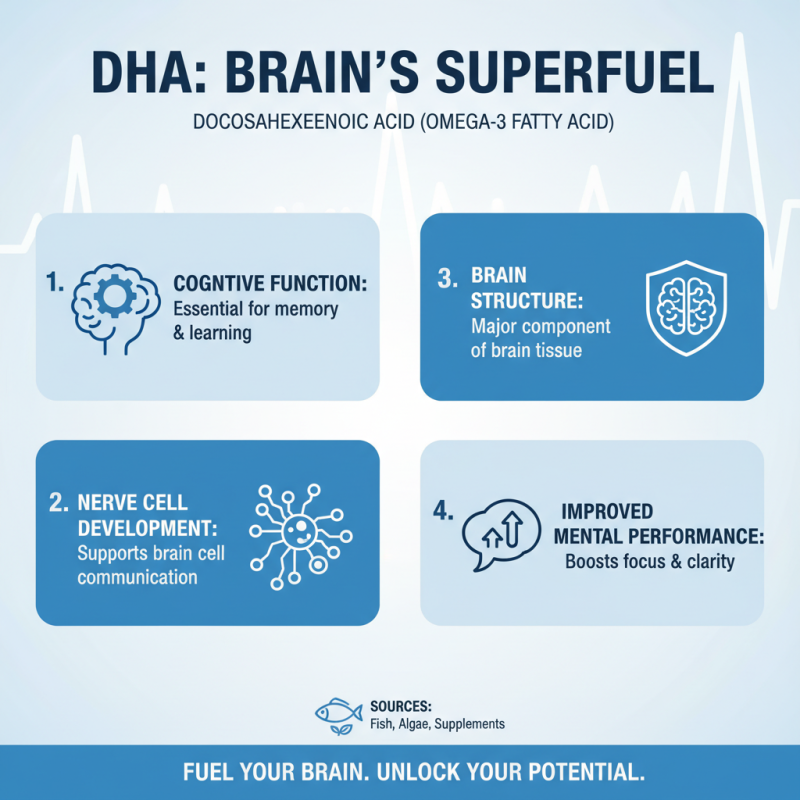
Docosahexaenoic Acid (DHA) plays a crucial role in brain health and function. This omega-3 fatty acid is essential for maintaining cognitive abilities. It is a major structural component of the brain. DHA helps in the development and function of nerve cells. Research suggests it may improve memory and learning processes.
Many studies link DHA to a reduced risk of neurodegenerative diseases. A diet rich in DHA can support brain resilience. Incorporating sources of DHA, such as fatty fish, can enhance mental clarity. It is vital for pregnant women as it aids fetal brain development. However, not everyone consumes enough DHA-rich foods.
Incorporating DHA into your diet is easier than you think. You can start by including fish like salmon twice a week. For those who don’t consume fish, consider algae supplements. Aim to learn about your nutritional needs. Keeping a food diary may help you track your DHA intake. This reflection can highlight areas for improvement.
Docosahexaenoic Acid and Its Impact on Heart Health
Docosahexaenoic acid (DHA) plays a vital role in heart health. This omega-3 fatty acid is known for its ability to reduce inflammation. Inflammation can lead to heart disease, a major health concern worldwide. Research indicates that higher DHA intake is linked to lower triglyceride levels. These reduced levels can significantly diminish the risk of heart attacks.
Moreover, DHA contributes to the overall health of blood vessels. It enhances endothelial function, which is crucial for maintaining proper blood flow. A well-functioning endothelium helps prevent hypertension. Some studies suggest that populations with higher seafood consumption experience fewer heart issues. Yet, individuals may struggle to get enough DHA from their diet.
Not everyone consumes fish regularly, making supplementation a consideration. However, relying solely on supplements may not fulfill all dietary needs. It’s necessary to balance DHA intake with other nutrients. Striving for a holistic approach ensures maximum heart benefits. Evaluating personal dietary habits is essential for long-term health.
Benefits of Docosahexaenoic Acid for Eye Health and Vision
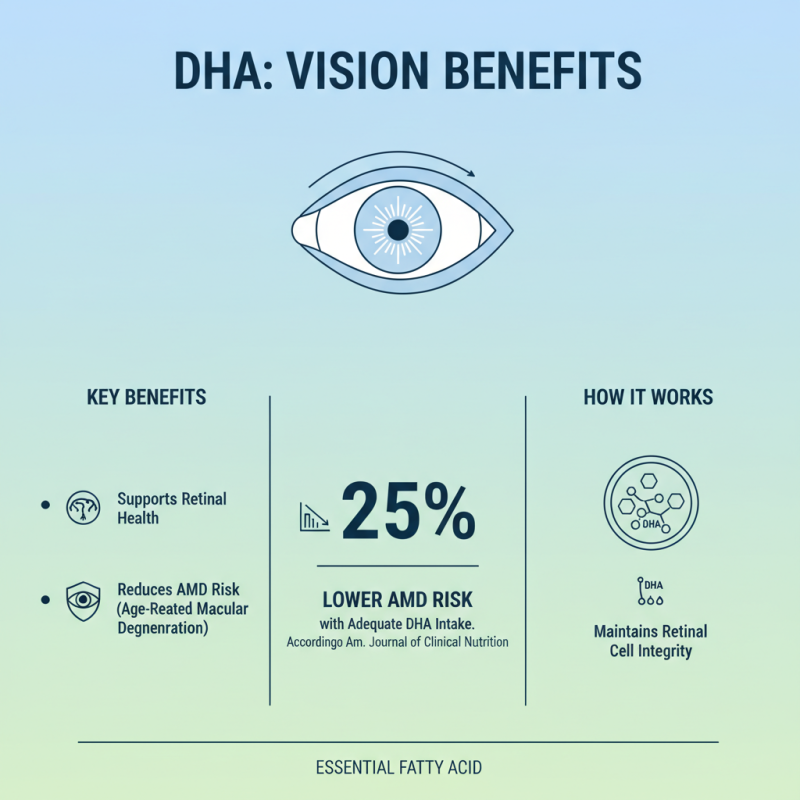
Docosahexaenoic acid (DHA) plays a vital role in eye health and vision. Research indicates that high DHA levels may support retinal health and reduce the risk of age-related macular degeneration (AMD). According to the American Journal of Clinical Nutrition, individuals consuming adequate DHA exhibited a 25% lower risk of developing AMD. This essential fatty acid is crucial for maintaining the structural integrity of retinal cells.
In addition, DHA is a key component of the optic nerve. A deficiency in DHA can lead to compromised nerve function, impacting visual acuity. Clinical findings from the National Eye Institute suggest that DHA supplementation may enhance visual performance, especially in aging populations. Ensuring sufficient levels of this fatty acid can be critical for sustaining optimal vision as one ages.
Tips: Incorporate DHA-rich foods into your diet. Fatty fish, flaxseeds, and walnuts can enhance your DHA intake. Consider checking DHA levels through blood tests, especially if you experience vision changes. Stay proactive about your eye health and consult with a healthcare professional for personalized guidance.
The Anti-Inflammatory Properties of Docosahexaenoic Acid
Docosahexaenoic Acid (DHA) plays a crucial role in reducing inflammation. Research shows that DHA can significantly decrease the levels of inflammatory markers in the body. A study published in the Journal of Lipid Research found that higher DHA intake led to a marked reduction in C-reactive protein (CRP) levels, a key indicator of inflammation. Lowering CRP can have profound implications for chronic diseases.
Moreover, DHA contributes to joint health by mitigating inflammatory responses. The American Journal of Clinical Nutrition reports that individuals with a higher intake of DHA experience less joint pain and stiffness. This effect is particularly beneficial for those with inflammatory conditions, such as arthritis. The anti-inflammatory properties of DHA help cushion the joints and enhance mobility.
However, despite these benefits, access to sufficient DHA remains a challenge for many. Some populations still show low levels of omega-3 fatty acids in their diets. Education around the dietary sources of DHA is key. Fish, algae, and fortified foods are excellent options. Reflecting on these aspects can lead to better health choices and improved quality of life over time.
Top 10 Benefits of Docosahexaenoic Acid for Health
| Benefit |
Description |
| Anti-Inflammatory |
Helps reduce inflammation in the body, which can decrease the risk of chronic diseases. |
| Heart Health |
Supports cardiovascular function by improving cholesterol levels and reducing blood pressure. |
| Brain Function |
Essential for cognitive health and may improve memory and overall brain function. |
| Eye Health |
Critical for retinal health and may help reduce the risk of age-related macular degeneration. |
| Mental Health |
May lower the risk of depression and anxiety by supporting overall brain health. |
| Pregnancy and Development |
Supports fetal brain development during pregnancy and early childhood. |
| Skin Health |
Can improve skin hydration, thickness, and overall appearance. |
| Joint Health |
Helps reduce symptoms of arthritis and improve joint mobility through its anti-inflammatory effects. |
| Liver Health |
May help reduce fat accumulation in the liver and improve liver function. |
| Weight Management |
Supports weight loss by enhancing fat oxidation and reducing fat storage. |
Sources of Docosahexaenoic Acid and Recommended Intake Levels
Docosahexaenoic acid (DHA) is an essential omega-3 fatty acid known for its health benefits. It is primarily found in fatty fish like salmon, mackerel, and sardines. Other sources include algae and certain seaweeds, making them suitable for vegetarians. Incorporating these foods into your diet is crucial for obtaining adequate DHA levels.
For adults, a daily intake of 250 to 500 mg of DHA is recommended. Pregnant and breastfeeding mothers may require higher amounts to support fetal and infant brain development. However, many people do not meet these essential intake levels. It's worth reflecting on your own dietary habits to assess whether you're getting enough DHA.
If fish is not a staple in your diet, consider incorporating DHA-rich supplements, like algal oil. Many health experts stress the importance of monitoring your intake, especially if you follow a plant-based diet. Effective planning is key to balancing your omega-3 and omega-6 ratios for optimal health.