Dihydromyricetin, a flavonoid derived from the Ampelopsis grossedentata plant, has gained attention in recent years. Its health benefits are supported by a growing body of research. According to market analysis from Global Market Insights, the global dihydromyricetin market is expected to reach USD 30 million by 2026, indicating a strong demand.
Many Dihydromyricetin Powder Factories are emerging, contributing to this demand. These factories provide high-quality dihydromyricetin powder for various uses, including dietary supplements and skin care products. The diverse applications are fueled by increasing consumer awareness of natural health solutions. Reports suggest that 63% of consumers are shifting towards products featuring natural ingredients.
The presence of Dihydromyricetin Powder Factories may raise concerns about quality control. It’s crucial to focus on sourcing from reputable manufacturers to ensure safety and efficacy. Not all factories maintain the same production standards, and some may cut corners. As the industry grows, ongoing scrutiny and transparency are essential for consumer confidence.
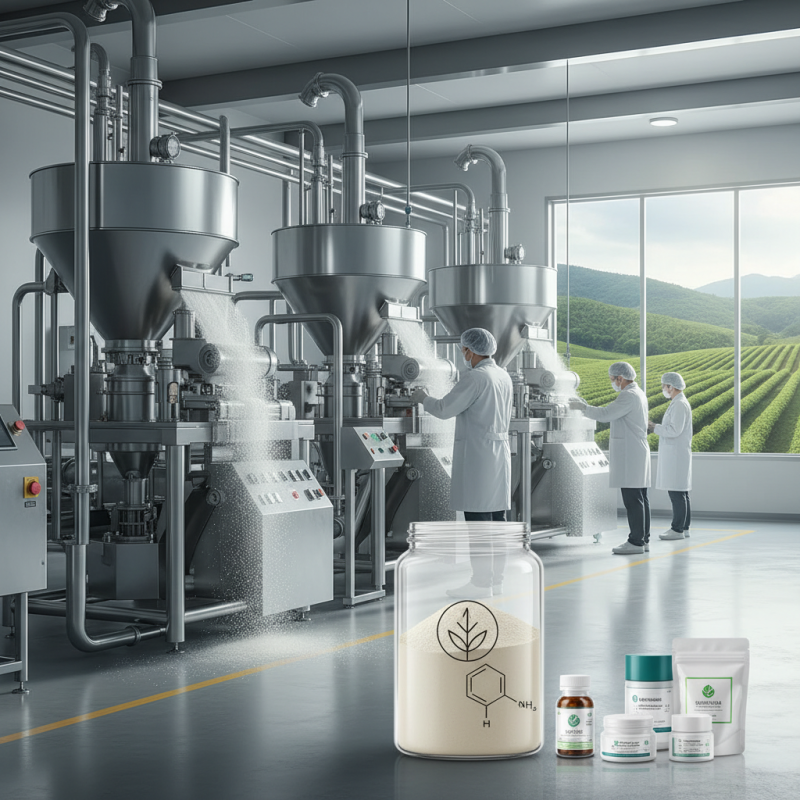
Dihydromyricetin powder is gaining attention for its potential health benefits. This natural extract comes from the Hovenia dulcis plant. Studies suggest it can support liver function, particularly in metabolizing alcohol. Researchers indicate that the powder may help reduce hangover symptoms. This makes it appealing for those who drink alcohol occasionally.
Moreover, dihydromyricetin is rich in antioxidants. Antioxidants combat oxidative stress in the body. A report published by the Journal of Agricultural and Food Chemistry highlighted that this compound might protect cells from damage. This effect is crucial for maintaining overall health, especially as we age.
**Tip**: Incorporate dihydromyricetin powder into smoothies or teas for an easy health boost.
In addition to liver support, dihydromyricetin has anti-inflammatory properties. This may benefit those suffering from chronic inflammation. A 2022 study showed promise in reducing inflammation markers. Yet, more research is needed to fully understand its effects.
**Tip**: Start with small doses to see how your body reacts. Each person’s experience can vary widely.
| Benefit | Description | Usage |
|---|---|---|
| Antioxidant Properties | Neutralizes harmful free radicals in the body. | Used in supplements for overall health enhancement. |
| Liver Protection | Supports liver function and detoxification processes. | Commonly included in liver health supplements. |
| Anti-Inflammatory | Reduces inflammation and may help with chronic inflammatory conditions. | Added to formulations targeting inflammation relief. |
| Blood Sugar Regulation | May help regulate blood sugar levels and improve insulin sensitivity. | Used in diabetes management supplements. |
| Cognitive Enhancement | Supports brain health and may improve cognitive function. | Incorporated into nootropics and cognitive support products. |
| Weight Management | May assist in weight loss and fat metabolism. | Found in weight loss supplements. |
| Heart Health | Supports cardiovascular health and lowers cholesterol levels. | Included in heart health formulations. |
| Mood Improvement | May help reduce anxiety and improve mood. | Used in supplements for mental wellbeing. |
| Skin Health | Promotes healthier skin and may reduce signs of aging. | Added to skincare formulations. |
| Support for Hangover Relief | Aids in reducing hangover symptoms and improving recovery. | Often marketed for hangover relief products. |
Dihydromyricetin powder has gained attention in the dietary supplement industry. Its primary benefits include antioxidant and anti-inflammatory properties. Studies show that these effects can support liver health and reduce alcohol-induced liver damage. According to research published in the Journal of Nutritional Biochemistry, Dihydromyricetin may help lower blood sugar levels and improve lipid profiles.
Many users report enhanced physical endurance and recovery after exercise. This brings valuable contributions to sports nutrition. The powder can also help relieve hangover symptoms, which is particularly appealing to many consumers. However, it's essential to note that the effective dosage and individual results can vary widely.
While Dihydromyricetin shows promise, further studies are needed to fully understand its mechanisms. This may lead to more refined applications in dietary supplements. Despite the enthusiasm surrounding it, potential users should tread carefully and consider personal health conditions. Balancing benefits with possible side effects remains crucial for safe consumption.
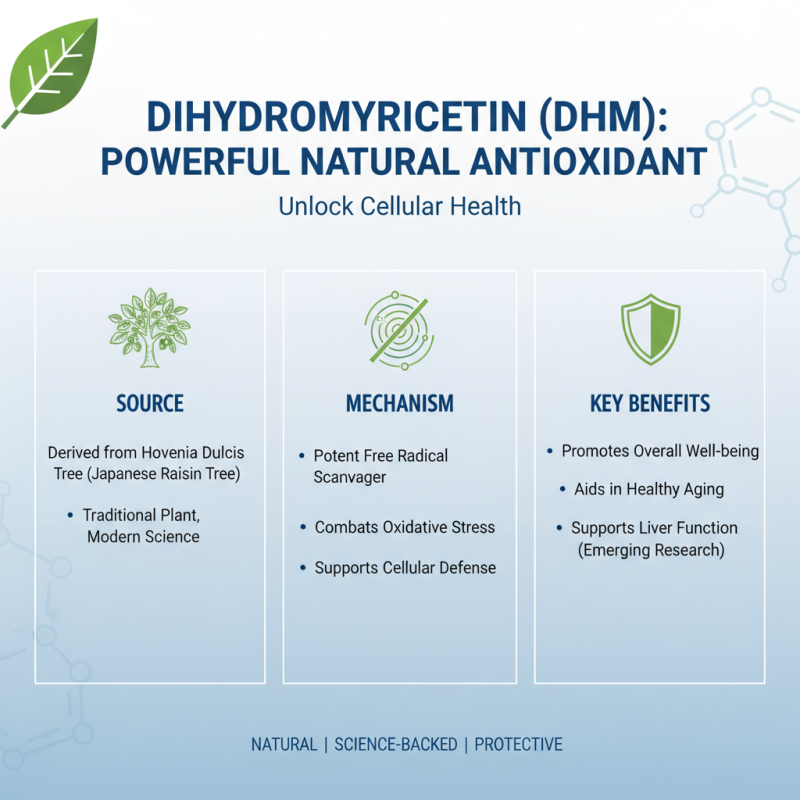
Dihydromyricetin (DHM) powder stands out as a potent natural antioxidant. It comes from the Hovenia dulcis tree, gaining attention in health circles. Research shows DHM can scavenge free radicals effectively. This ability supports cellular health, combating oxidative stress.
Studies reveal that antioxidants play a key role in reducing inflammation. A report from the Journal of Agricultural and Food Chemistry highlights DHM’s potential to protect liver health. This is particularly noteworthy, as liver damage can result from excessive inflammation. DHM may help restore balance in the body, especially after heavy drinking.
Tips for incorporating Dihydromyricetin powder into your routine include mixing it into smoothies or yogurt. Start with a small dose to see how your body reacts. Not everyone experiences the same benefits, so personal adjustments may be required. It's essential to listen to your body. Some might find DHM induces mild digestive discomfort. Always be aware of how you feel and consider consultation with a health professional.
Dihydromyricetin (DHM) has gained attention for its impact on alcohol metabolism and hangover relief. Studies indicate that it may help reduce blood alcohol levels. One research report suggests that DHM can boost alcohol elimination by up to 25%. This fast-tracked processing may lessen the severity of hangovers.
The compound supports liver function and protects against oxidative stress. Alcohol consumption generates harmful free radicals. DHM potentially counteracts this by enhancing antioxidant defenses. A study showed that individuals consuming DHM experienced fewer hangover symptoms like headaches. However, reactions to DHM differ among individuals. Not everyone responds positively, and some may experience mild side effects.
Incorporating DHM into routine may benefit social drinkers. Yet, reliance on it should be mindful. It's not a substitute for moderation. Understanding personal limits is essential. While initial results are promising, more research will clarify dosage and effectiveness. Balancing enjoyment and health is key when considering new supplements.
Dihydromyricetin, a natural flavonoid, is gaining attention in various industries. Its applications in food and cosmetics are noteworthy. In the food industry, it acts as a powerful antioxidant. This helps preserve freshness in products. Many manufacturers utilize it to improve shelf life. Dihydromyricetin also adds a unique flavor. This enhancement makes food items more appealing to consumers.
In cosmetics, dihydromyricetin shows promising skin benefits. It can help reduce inflammation and redness. Many formulations include it for its soothing properties. However, the effectiveness can vary based on concentration. More research is needed to standardize its use. Some products may not deliver on their claims. Thus, it's essential to approach new formulations with caution.
While its uses are promising, challenges remain. The extraction process can affect quality. Variations in sourcing impact its concentration in products. Not all factories maintain consistent standards. Consumers should be aware of this variability. Transparency in sourcing and production is important for building trust.